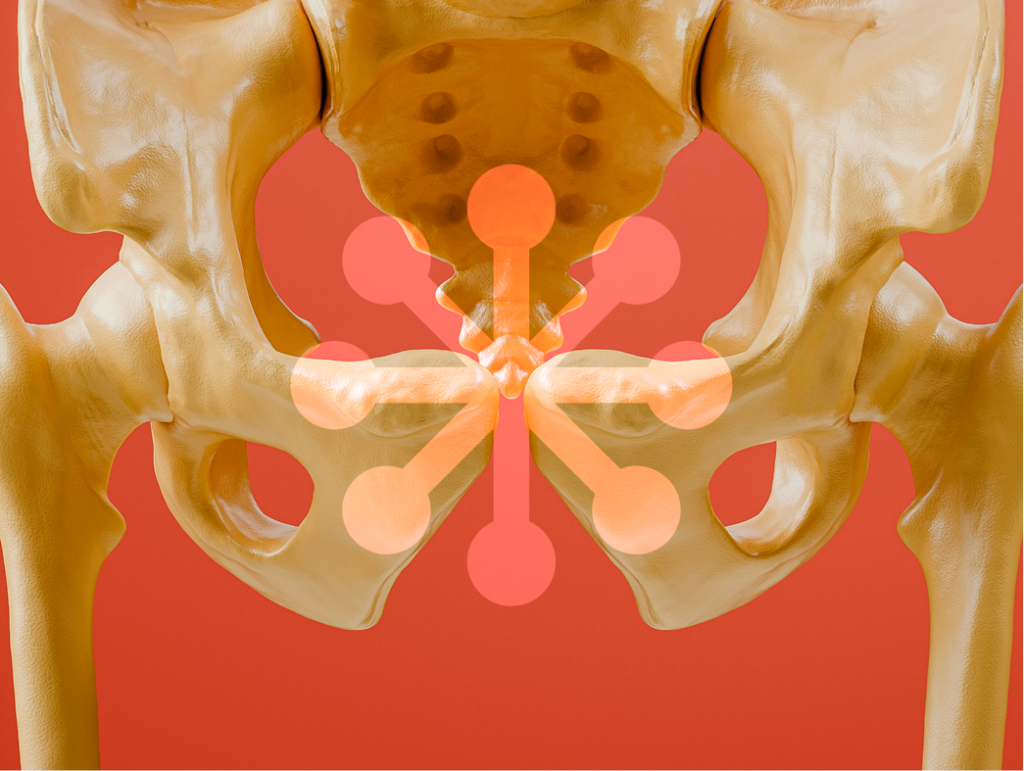
What is premature ovarian insufficiency (POI)?
Premature ovarian insufficiency, or POI, is when your ovaries stop working properly before the age of 40. It affects the production of hormones such as estrogen and the regular release of eggs. The effects can be wide-ranging: your periods, your fertility, your mood, your energy and your long-term health can all be involved. POI is also more common than most people realise, and it is frequently diagnosed late or sometime not at all.
Understanding POI
In the UK, the average age of menopause is 51. Early menopause refers to menopause before 45. POI is distinct: it describes a change in ovarian function before the age of 40, affecting around four in every 100 women in that age group, and at least one in 1,000 women under 30.
POI is not always identical to natural menopause. With natural menopause, ovarian function stops permanently. With POI, the ovaries can still work intermittently — meaning hormone levels fluctuate, periods may come and go, and some women still ovulate occasionally. This unpredictability is one reason POI can take time to recognise and diagnose.
Signs and symptoms
The most common sign is a change in periods. They can become irregular, much lighter or stop altogether. Alongside this, many women notice symptoms that overlap with perimenopause and menopause: hot flushes, night sweats, poor sleep, low mood, anxiety, brain fog, reduced libido and vaginal dryness. Fatigue can be significant too.
These symptoms are real and they deserve proper attention. When the ovaries are not producing adequate hormones, the effects are felt throughout the body.
What causes POI?
For many women, no clear cause is found, which can feel frustrating, but is common. POI can occur after surgery to remove the ovaries, or following radiotherapy to the pelvis or certain chemotherapy treatments. Even a hysterectomy where the ovaries are retained can sometimes lead to earlier hormonal change than expected.
POI is also associated with some autoimmune conditions, and some women with POI have low thyroid function. A full assessment should consider these possibilities.
Why diagnosis can be delayed
Because hormone levels fluctuate considerably in POI, a single blood test does not always give a clear picture. Our research has shown that FSH levels can vary widely in women under 40 with suspected POI, meaning a normal result on one occasion should not be used to dismiss symptoms. Diagnosis needs to be built on symptoms, menstrual history and the broader clinical picture, not a single data point.
If your periods have become irregular or have stopped before 40, it is worth specifically asking whether POI could be the explanation.
Why treatment matters
POI is not only about managing symptoms in the present. Low hormone levels at a younger age carry significant long-term health implications. POI is associated with an increased risk of osteoporosis, fractures, cardiovascular disease, cognitive problems and mental health conditions including anxiety and depression. The earlier hormones are replaced, the more of this risk can be mitigated.
Expert medical guidance is clear: women with POI should take hormone treatment until at least the average age of natural menopause. This is not just about quality of life. It is about health protection.
What treatment involves
The main treatment is hormone replacement. This most commonly involves taking estradiol, progesterone and sometimes testosterone. Women with POI often need doses that adequately reflect what the body would naturally be producing at their age. Vaginal estrogen can also help with local symptoms such as dryness, soreness or discomfort during sex, and can be used alongside systemic treatment.
Lifestyle also matters: regular exercise, adequate vitamin D, a diet with sufficient calcium, not smoking and limiting alcohol all support bone and heart health alongside medical treatment.
Fertility and the emotional dimension
A POI diagnosis can surface a great deal, particularly when fertility is part of the picture. Because ovarian activity can remain intermittent, around 5 to 15% of women with POI do still conceive naturally. That said, feelings of grief, anxiety and loss around fertility are understandable and deserve acknowledgement and support.
Counselling, psychological support and fertility counselling can all play an important role, particularly in the period following diagnosis. Medical treatment addresses hormones. Emotional support addresses everything that a diagnosis like this can stir up.
What to do next
If you think POI might apply to you, whether because of changes in your periods, symptoms appearing at a younger age, or a history that puts you at higher risk, trust what your body is telling you and seek a proper assessment. You deserve care that looks at the whole picture: your symptoms, your history and your long-term health, not just a single blood result.
POI is a real medical condition with real, effective treatment. With the right diagnosis and the right hormonal support, most women feel significantly better and can protect their future health.
Share this:

Millions of women have questions about their hormones that never get answered. Balance+ AI is here to change that.
You might also like...

Hormones and mental health

When does menopause start?
Sleep and hormones: why your nights may change in perimenopause and menopause
Utrogestan (micronised progesterone) explained
What are hormones?