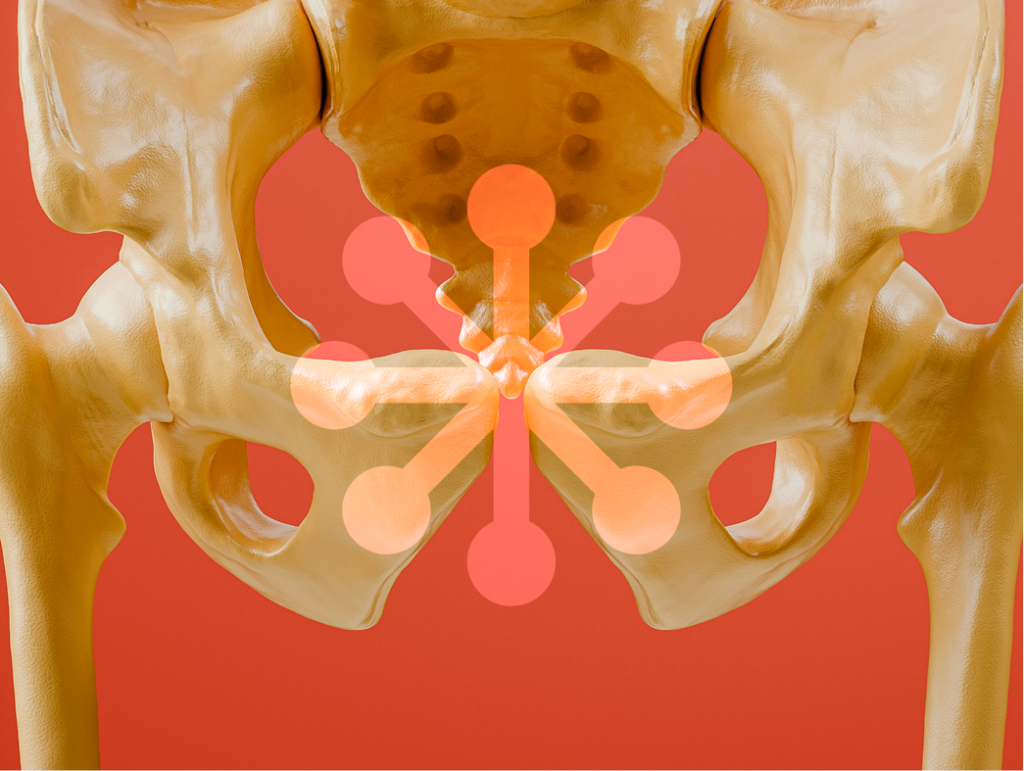
Heavy periods during perimenopause: what’s going on and what can help
Heavy periods are one of the most common and least talked-about symptoms of perimenopause. If your periods have become heavier, longer, less predictable or simply harder to manage, hormonal changes are very likely playing a significant part.
Why periods can get heavier in perimenopause
During perimenopause, estrogen and progesterone levels do not decline in a smooth, steady way. They fluctuate, sometimes dramatically, from cycle to cycle. In months where ovulation does not happen, progesterone levels may be lower than usual. Progesterone helps regulate the build-up of the womb lining, so when levels are erratic, that lining can become thicker than normal. When it sheds, bleeding can be heavier, longer and more unpredictable.
This is not random. It is a direct consequence of your changing hormone levels, and it often happens alongside other perimenopause symptoms like poor sleep, anxiety, low mood, headaches and fatigue. These symptoms tend to overlap rather than arrive in isolation, because they share the same underlying cause.
What counts as a heavy period?
If it feels heavy to you, then it deserves attention. Clinically, a heavy period often means soaking through protection quickly, needing to change during the night, passing large clots, or bleeding for more than seven days. But the practical impact matters just as much. If you are planning your day around access to a bathroom, carrying spare clothing or avoiding social plans because of your period, that is a sign your symptoms need proper assessment.
When to get it checked
Heavy periods in perimenopause are common, but they should not be dismissed automatically. Speak to a family doctor if your bleeding has become significantly heavier, if you are bleeding between periods, bleeding after sex, or if your cycle has changed suddenly. Also seek help if you feel dizzy, exhausted or short of breath, or if you suspect you may be low in iron.
Heavy bleeding can sometimes be linked to fibroids, polyps, adenomyosis, thyroid conditions or changes in the womb lining. Most of these are treatable, but they need proper review. Your doctor may suggest blood tests, an examination or a scan depending on your symptoms and history.
Can hormone treatment help?
For many women, yes. Progesterone is often particularly important when heavy bleeding is part of the picture, because it helps reduce estrogen’s effect on the womb lining and can make periods lighter and more manageable. Some women are prescribed micronised progesterone. Others may be offered a hormonal coil that releases progestogen locally into the womb.
If you also have other perimenopausal symptoms (e.g. hot flushes, night sweats, joint pain, low mood or poor sleep) estrogen may be added as part of a wider hormone treatment plan. The right approach depends on your symptoms, your medical history, whether you need contraception and where you are in perimenopause.
If you are already using hormone treatment and bleeding is heavy or unpredictable, it is worth going back to your doctor. Sometimes the dose or type of progesterone needs adjusting. Sometimes the timing of treatment is the issue. In other cases, bleeding may have a separate cause that requires investigation.
Good menopause care does not stop at managing blood loss. Hormones affect energy, mood, sleep, cognition and relationships. All of these matter when doctors assess whether your treatment is really working for you.
What to do next
If your periods have changed and perimenopause may be the reason, book a medical appointment and come prepared. A simple record of your bleeding pattern, including clot size, duration, frequency and any other symptoms, will give your doctor a much clearer picture and make the conversation more useful.
Heavy periods in perimenopause are common, but they are not inevitable and they are not something to simply endure. Hormonal changes are usually at the root of the problem, and for many women, the right treatment makes a very significant difference.
Share this:

Millions of women have questions about their hormones that never get answered. Balance+ AI is here to change that.
You might also like...

Hormones and mental health

When does menopause start?
Sleep and hormones: why your nights may change in perimenopause and menopause
Utrogestan (micronised progesterone) explained

What are hormones?