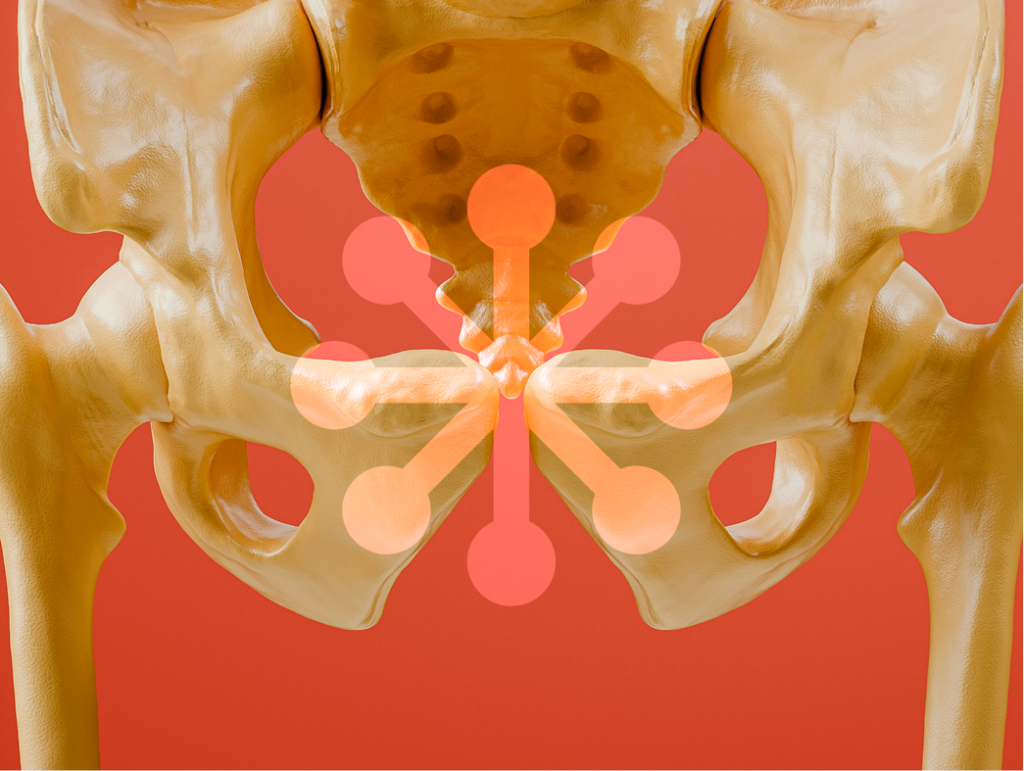
How long does the menopause last?
If you have been wondering how long menopause lasts, you are not alone. It is one of the most common questions women ask, and the answer can feel confusing because the word menopause is often used to describe several different stages. The short answer is this: menopause itself is a single point in time, but the hormonal changes linked to it can last for years. For many women, symptoms begin in perimenopause, continue through menopause and can carry on afterwards. That is why it is so important to look at the whole picture, not just the date your periods stop.
What is menopause, exactly?
Menopause happens when you have not had a period for 12 months in a row. It marks the end of your natural reproductive years. In the UK, the average age of menopause is 51, though it can happen earlier or later.
Before this comes perimenopause. This is the stage when your hormone levels start changing and periods may become irregular, lighter, heavier, closer together or further apart. For some women, perimenopause lasts a few years. For others, it can last much longer.
After menopause comes postmenopause. This simply means the years after menopause. Even though the name changes, symptoms do not always stop at that point.
So how long do symptoms last?
There is no fixed timeline. Some women have symptoms for a relatively short time, while others notice them for many years. What matters most is that symptoms are real, they can affect every part of life, and they deserve proper treatment and support.
Menopause is often spoken about as if it is mainly a brief period of hot flushes and night sweats. But research shows the experience is usually far broader than that. Many women also have changes in mood, energy, memory, focus, sleep, confidence, libido and overall quality of life. In one Newson research study, the most commonly reported symptoms were fatigue, memory problems, irritability, anxiety and difficulty concentrating, with hot flushes ranking much lower.
That matters because when women are told menopause is just about periods stopping or occasional hot flushes, they can be left wondering why they still do not feel like themselves. Menopause care needs to be holistic and individualised, taking into account psychological wellbeing, cognition, relationships and day-to-day functioning, not just physical symptoms.
Why does it feel like it goes on for so long?
The reason is straightforward. Menopause is driven by changing and then persistently lower hormone levels, especially estrogen, progesterone and testosterone. These hormones do much more than regulate periods. They affect the brain, bones, muscles, bladder, vagina, skin, sleep, metabolism and more.
As hormone levels fall and fluctuate, symptoms can come and go, change over time or feel different from month to month. Later on, when hormones remain low, some symptoms may settle while others continue. Vaginal dryness, bladder symptoms, joint aches, low libido, poor sleep and brain fog can still affect women well after menopause.
This is one reason the idea of menopause as a short phase can be so unhelpful. Newson research highlights that many women experience profound cognitive and emotional changes that disrupt work, relationships and quality of life. Unfortunately these broader symptoms are often overlooked or under-treated.
Does everyone experience menopause in the same way?
Not at all. Some women move through this time with few symptoms. Others find it has a major effect on their health, work and relationships. A large survey of 5,744 women exploring experiences of perimenopause and menopause found a very wide range of experiences, which highlights how common it is for women to struggle to access evidence-based treatment.
Symptoms can also affect much more than physical comfort. Research shows unmanaged symptoms can affect productivity, increase sick days and even contribute to changes in work patterns. Emotional wellbeing can suffer too, with anxiety, low mood and overwhelm becoming more common during this time.
Can hormone treatment help?
Yes and for many women it can make a real difference. Hormone treatment can improve symptoms caused by low hormone levels and help women feel more like themselves again. It can also be tailored to the individual, depending on symptoms, medical history and whether you still have periods or a womb.
If you are already taking hormone treatment, you might be wondering how long you can stay on it. Again there is no single answer. Treatment should be reviewed regularly and based on your symptoms, benefits and personal risk factors. Many women use hormone treatment for several years, and some for longer. The key is that care should be individualised.
The wider point is that women do not need to simply put up with symptoms. Research from Newson Global continues to show that menopause is about far more than hot flushes and that the treatment women receive needs to reflect the whole-body impact of hormonal change.
What if symptoms are affecting my mental health?
Menopause can have a real effect on mental health. That is not weakness, and it is not something you need to dismiss or push through. If you feel low, anxious, unlike yourself or as if you are struggling to cope, it is worth speaking to a family doctor or menopause specialist. A holistic approach to menopause care, that includes medical treatment as well as access to counselling and peer support where needed, can make a significant difference.
Hormones, sleep, stress and life pressures can all overlap. You deserve proper support.
What you need to know
Menopause itself is one moment in time, reached after 12 months without a period. But the hormonal changes linked to it can last for years before and after that point. For some women, symptoms are mild and short-lived. For others, they are longer-lasting and affect mood, memory, sleep, confidence, work and relationships.
The most important thing to know is this: if symptoms are affecting your life, support is available and treatment can help. You do not have to wait it out or accept feeling unwell as normal. The Balance app can help you track changes over time and prepare for a conversation with your family doctor or menopause specialist. But if you are at all worried about how you are feeling, then seek medical advice. The right information and the right treatment can make a very big difference.
Share this:

Millions of women have questions about their hormones that never get answered. Balance+ AI is here to change that.
You might also like...

Hormones and mental health
When does menopause start?
Sleep and hormones: why your nights may change in perimenopause and menopause
Utrogestan (micronised progesterone) explained
What are hormones?