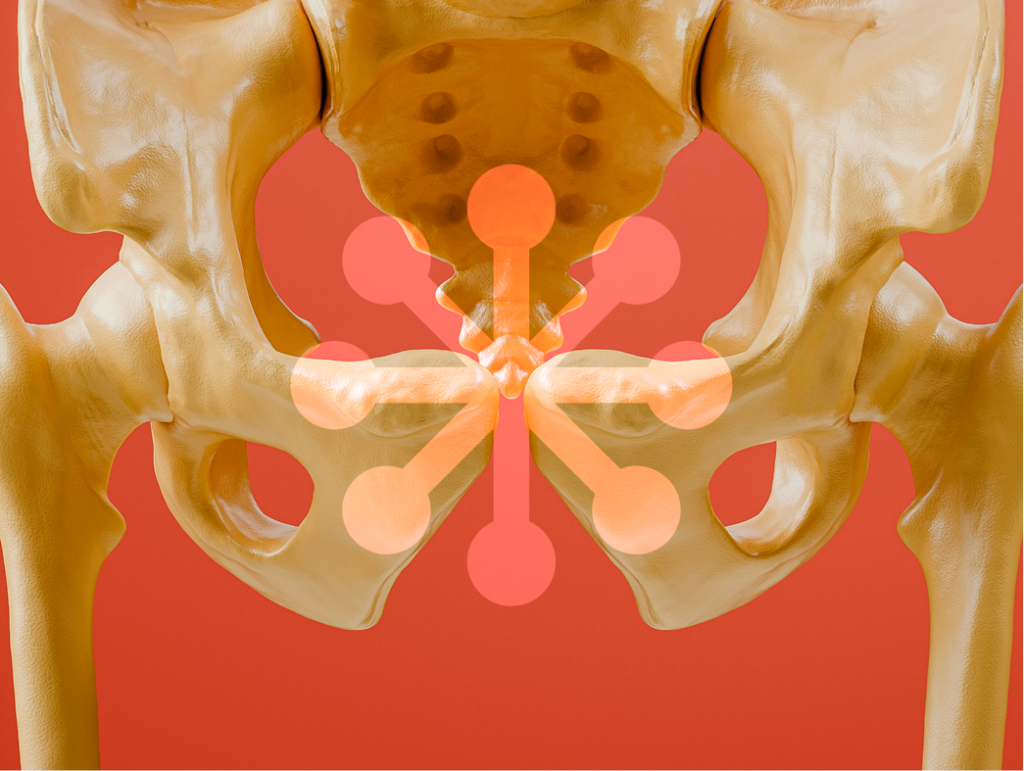
When does menopause start?
Menopause does not usually arrive all at once. For most women, it is a gradual transition that begins with hormone changes years before periods stop completely. This stage is called perimenopause. It can bring physical, emotional and cognitive symptoms that affect everyday life, even when periods are still coming. Understanding when menopause starts can help you make sense of what is happening in your body and feel more confident about getting the right support.
What do we mean by menopause?
Menopause is reached when you have not had a period for 12 months in a row, and this is not due to pregnancy, contraception or another medical reason. In the UK, the average age of menopause is 51, but the journey often begins earlier, during perimenopause.
Perimenopause is the time when hormone levels start to fluctuate and fall. Estrogen, progesterone and testosterone can all change, and these shifts can affect far more than your periods. They can influence sleep, mood, memory, anxiety levels, concentration, energy, joints, libido and overall wellbeing. That is why menopause is not just about hot flushes or periods stopping.
So, when does it actually start?
For many women, menopause starts with perimenopause in their 40s. Some notice changes in their early 40s, while others may not have symptoms until their late 40s or early 50s. It is also possible for hormone changes to start in the 30s. Everyone’s timing is different.
What matters most is not a birthday, but the pattern of change. You might find your periods become heavier, lighter, closer together or more spaced out. Or your cycle may still look fairly regular, but you start noticing symptoms such as broken sleep, anxiety, low mood, irritability, brain fog, joint aches or reduced confidence. These can all be part of perimenopause.
This matters because many women are told they are ‘too young’ to be in perimenopause, especially if they still have periods. In reality, symptoms can begin long before your final period. Our research highlights that menopause can bring significant emotional and cognitive changes that affect work, relationships and quality of life. Furthermore, that care needs to be holistic and individualised rather than focused only on physical symptoms.
What are the early signs?
The earliest sign is often a change in your usual cycle, but not always. Some women first notice that they feel less like themselves. You may feel flat, overwhelmed, less resilient or more forgetful. You may wake in the night, lose confidence at work, or feel unusually anxious for no clear reason.
These symptoms are real. Hormones play important roles in brain function and affect chemical messengers linked to mood, calmness and mental clarity. Menopause is increasingly recognised as a time that can affect psychological wellbeing, cognition and day-to-day functioning, not just physical health.
Hot flushes and night sweats are common, but they are not the whole story. Some women have them early. Others never do. If your symptoms are changing and affecting your life, they deserve to be taken seriously.
Can menopause start early?
Yes, it can. Not everyone reaches menopause around 51. Some women have early menopause because of surgery, cancer treatment, medical conditions or premature ovarian insufficiency. Early hormone loss matters because hormones are important for the brain, bones, heart and long-term health, as well as symptom control.
If you are younger and experiencing symptoms, do not dismiss them. Menopause is not only a midlife issue. It can happen earlier, and support is available.
How long does it last?
Perimenopause can last for several years. Some women move through it quite smoothly, while others have more disruptive symptoms. Once you have gone 12 months without a period, you are in postmenopause. After that point, hormone levels remain low, so symptoms can continue unless they are treated.
This is one reason the idea of menopause as a short phase can be unhelpful. Our work with patients has highlighted that many women experience wide-ranging effects on work, relationships and quality of life. These all need proper recognition and treatment.
When is it time to get help?
If symptoms are affecting your sleep, work, mood, relationships or confidence, it is worth seeking help. You do not need to wait until your periods stop. You also do not need to put up with feeling unlike yourself.
There is good evidence that menopause management needs to be broader than symptom lists alone. Mental health, cognition, social support and daily functioning all matter. Hormone treatment is recommended first-line for menopausal mood disturbance, and for most women the benefits outweigh the risks. The right treatment is individual, and it starts with listening to your symptoms properly.
What to do next
If you think menopause may be starting, begin by noticing patterns. Track your cycle, symptoms, sleep and mood. If they start to affect your life, speak to your doctor or a menopause specialist.
Most importantly, trust what your body is telling you. Menopause often starts before many women expect it, and it can affect much more than periods. The earlier you recognise the signs, the sooner you can get the support you need.
Share this:


Millions of women have questions about their hormones that never get answered. Balance+ AI is here to change that.
You might also like...

Hormones and mental health

When does menopause start?
Sleep and hormones: why your nights may change in perimenopause and menopause
Utrogestan (micronised progesterone) explained
What are hormones?