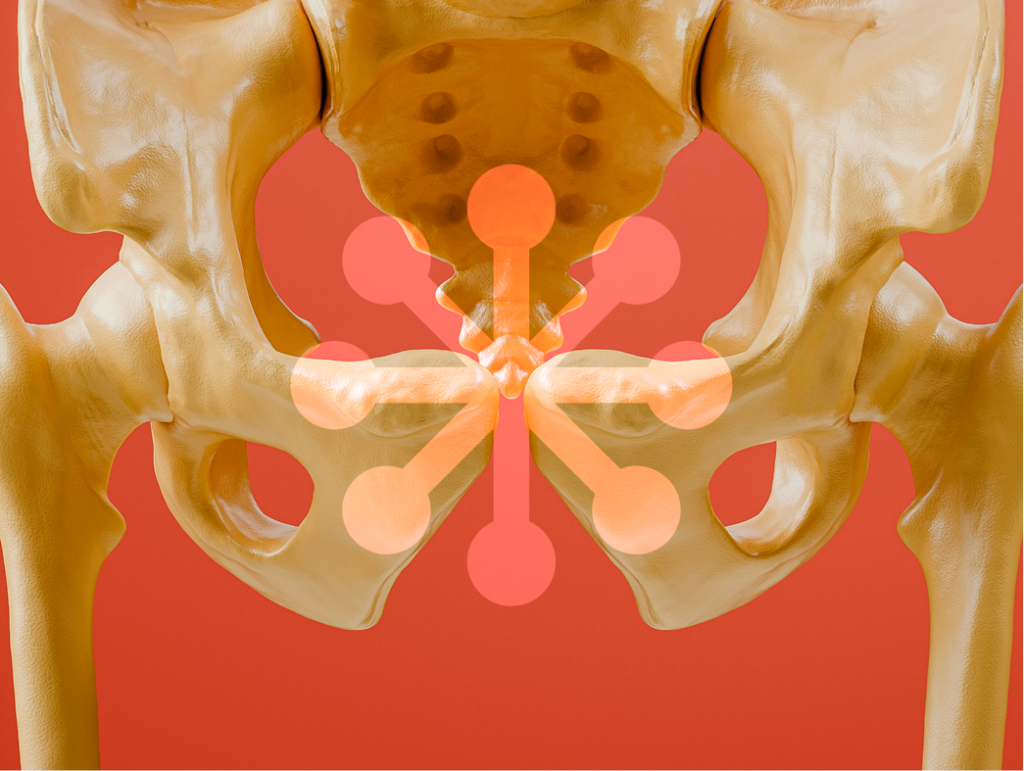
Pelvic floor health during menopause
If you’ve ever leaked a little when you sneeze, rushed to the bathroom with no warning, or noticed things feel different down below, you’re not alone. These are some of the most common — and least talked about — changes women experience during perimenopause and menopause. And like so many symptoms, they’re linked to hormones.
What is the pelvic floor?
The pelvic floor is a group of muscles and tissues that sit at the base of your pelvis, working together to support your bladder, uterus and bowel. These muscles help you control when you urinate and have a bowel movement, and they play an important role in sexual sensation too.
When they’re working well, you probably don’t notice them at all. When they’re not, the signs can be hard to ignore.
How do hormones affect it?
Estrogen helps keep pelvic floor muscles and tissues strong, flexible and well-functioning. As estrogen levels fall during perimenopause and menopause, these tissues can become thinner, drier and less elastic. The muscles may weaken. The urethra (the tube that carries urine out of the body) becomes less effective at staying closed under pressure.
The result? Symptoms that many women put down to getting older, or simply getting on with it. But they don’t have to.
What symptoms should I look out for?
The most common pelvic floor symptoms during menopause include:
- Leaking urine when you cough, sneeze, laugh or exercise — known as stress incontinence
- A sudden, urgent need to urinate that’s hard to control — known as urge incontinence
- Needing to urinate more often than usual, including at night
- A feeling of heaviness or pressure in the pelvis
- Discomfort or changes in sensation during sex
- Vaginal dryness or irritation.
These symptoms are common. But they are not something you simply have to put up with.
Pelvic floor exercises
These are some of the most effective things you can do and you can start today, for free, with no equipment needed.
To do them, squeeze the muscles you would use to stop urinating mid-flow. Hold for a few seconds, then release fully. Aim for three sets of ten repetitions a day. It takes a little practice to find the right muscles and results build gradually, but most women notice a difference after a few weeks.
If you’re not sure you’re doing them correctly, a women’s health physiotherapist can help. They specialise in pelvic floor assessment and can create a personalised programme based on your needs.
Hormone treatment
For many women, hormone treatment makes a significant difference to pelvic floor health. By restoring estrogen levels, it helps maintain the strength and elasticity of pelvic tissues, reduces vaginal dryness and can improve bladder control.
Local estrogen, which is applied directly to the vaginal area as a cream, pessary or ring, is particularly effective for symptoms like dryness, irritation and urinary urgency. It works locally rather than being absorbed into the bloodstream, making it suitable for most women, including those who may not want or be able to use systemic hormone treatment.
It’s worth discussing both options with your doctor or a hormone specialist, who can help you find the right approach for you.
Lifestyle factors that make a difference
There are a few simple changes you can make that also help support your pelvic floor:
- Maintain a healthy weight, as excess weight puts additional pressure on the pelvic floor
- Stay well hydrated — cutting back on fluids can actually irritate the bladder further
- Reduce caffeine and alcohol, both of which can worsen urgency and frequency
- Avoid constipation by eating enough fibre and staying active — straining puts significant pressure on pelvic floor muscles
- If you smoke, stopping can help, as chronic coughing weakens the pelvic floor over time.
When to seek help
Pelvic floor symptoms are extremely common during menopause but they are also very treatable. If they’re affecting your daily life, your sleep or your confidence, an appointment with your doctor should be a first step.
A referral to a women’s health physiotherapist, a conversation about hormone treatment, or simply starting a daily exercise routine could make a real difference to how you feel. You deserve support and there is plenty available.
This article is for informational purposes only and is not a substitute for professional medical advice. Always consult your doctor or a qualified healthcare professional with any questions you have about your health.
Share this:

Millions of women have questions about their hormones that never get answered. Balance+ AI is here to change that.
You might also like...

Hormones and mental health

When does menopause start?
Sleep and hormones: why your nights may change in perimenopause and menopause
Utrogestan (micronised progesterone) explained
What are hormones?