Testosterone gel and cream: what you need to know
Testosterone is often thought of as a male hormone. But in fact, it is just as important for women and when levels fall, the effects can be wide-ranging. If your doctor has suggested testosterone gel or cream, or you’re simply curious about whether it might help you, here is what you need to know.
Why do women need testosterone?
Testosterone is produced in the ovaries, adrenal glands, brain and other tissues throughout the body. It plays an important role in mood, energy, mental clarity, muscle strength, bone health, sleep quality and sex drive. It also helps protect against memory loss and supports cardiovascular health.
Testosterone levels begin to fall gradually from your 30s, and can drop more significantly during perimenopause and menopause. When levels are low, the effects can include fatigue, brain fog, low mood, reduced libido and a general sense of not feeling like yourself.
What forms does testosterone come in for women?
For women, testosterone is most commonly prescribed as a gel or cream applied directly to the skin. This allows the hormone to be absorbed steadily into the bloodstream, delivering a consistent low dose that stays within the normal range for women.
The most commonly used products in the UK include:
- AndroFeme — a cream specifically formulated for women and approved for use in postmenopausal women in the UK. Please note it contains almond oil, so is not suitable for anyone with a nut allergy
- Testogel, Testim and Tostran — gels originally developed for men but prescribed off-label for women at much lower doses.
Your doctor or hormone specialist will advise which product and dose is right for you.
How do I apply it?
Testosterone gel or cream is usually applied once a day, at the same time each day. Here are the key things to remember:
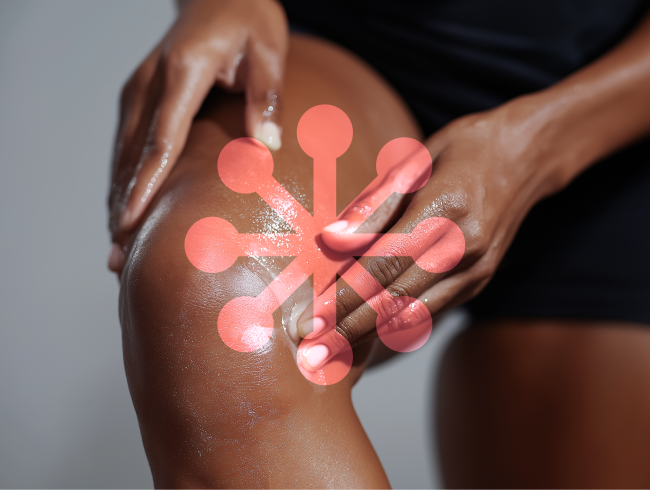
- Apply to clean, dry skin. The upper outer thigh or buttock is the most common site
- Rub in gently and allow to dry for around 30 seconds
- Avoid showering, swimming or applying other lotions to the area for at least 30 minutes after application
- Wash your hands thoroughly straight after to avoid transferring the hormone to others.
Consistency matters. Applying at the same time each day helps maintain steady hormone levels.
Will it work and how will I know?
Most women find that testosterone takes a few weeks to build up in the body, and the full effects may not be felt for three to six months. Changes in energy, mood and mental clarity often come first, with improvements in libido and physical symptoms following over time.
Blood tests are an important part of monitoring treatment. Your doctor will usually check your levels around three months after starting, to make sure testosterone stays within the normal range for women. After that, annual monitoring is recommended. Dosage adjustments are based on how you feel as well as your results, since absorption rates vary from person to person.
Are there any side effects?
Side effects are uncommon when testosterone is prescribed at the right dose. Some women notice slightly increased hair growth at the application site, which can usually be managed by rotating where you apply it.
More significant side effects, such as facial hair growth or changes to the voice, are rare, and are generally associated with doses that are too high. This is why monitoring matters, and why testosterone should always be prescribed and overseen by a knowledgeable healthcare professional. As always, if you notice any changes that concern you, speak to your doctor.
Is testosterone right for me?
Testosterone is worth discussing if you’re experiencing persistent fatigue, low mood, poor concentration or reduced sex drive. Particularly if estrogen and progesterone treatment alone hasn’t fully addressed how you feel.
It isn’t suitable for everyone, and your doctor will consider your full health history before recommending it. But for many women, it makes a meaningful difference. Not just to their libido, but to energy, confidence and overall quality of life.
If you think it might be relevant to you, raise it at your next appointment. It’s important for you you to be clear about all your treatment options.
This article is for informational purposes only and is not a substitute for professional medical advice. Always consult your doctor or a qualified healthcare professional with any questions you have about your health.
Share this:

Millions of women have questions about their hormones that never get answered. Balance+ AI is here to change that.
You might also like...

Hormones and mental health

When does menopause start?

Sleep and hormones: why your nights may change in perimenopause and menopause

Utrogestan (micronised progesterone) explained

What are hormones?