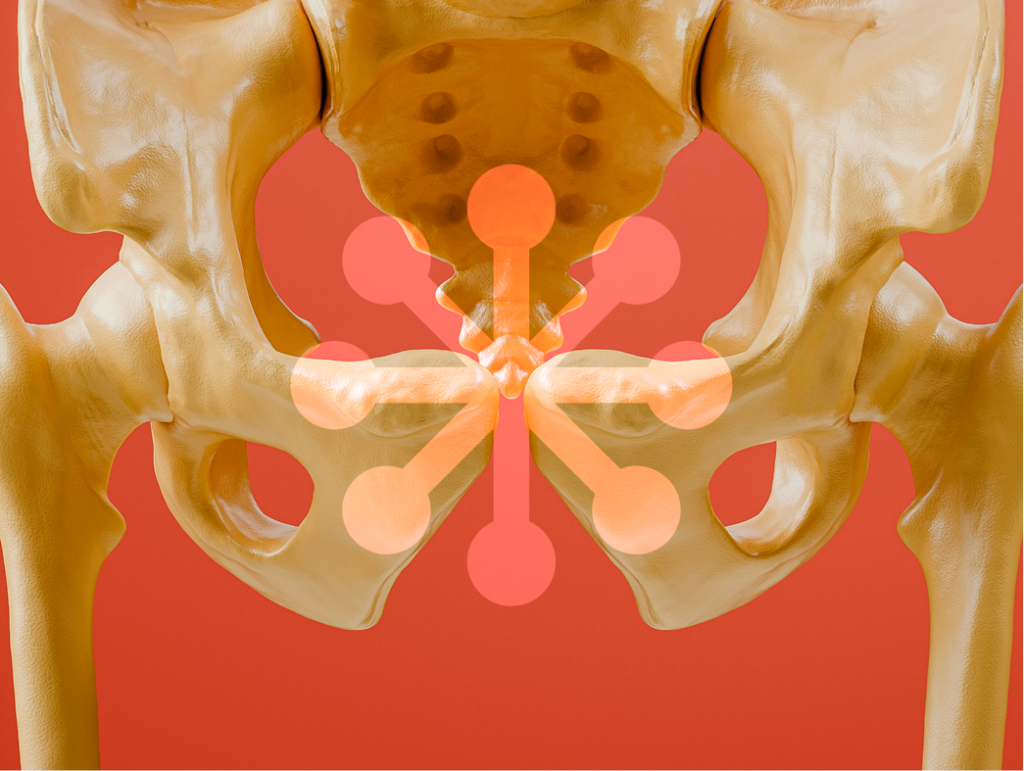
What are hormones?
Hormones are your body’s chemical messengers. They travel in your bloodstream and tell different parts of your body what to do and when to do it. They help control everything from your periods, sleep and mood to your temperature, energy, libido, memory and bone strength.
You can think of hormones as part of your body’s communication system. When hormone levels change, the messages change too. That is why shifts in hormones can affect so many different parts of how you feel, both physically and emotionally. During perimenopause and menopause, these changes can become especially noticeable, because hormones are active in every cell of the body.
What do hormones do?
Hormones help regulate many of your body’s most important functions. They influence your menstrual cycle, ovulation and fertility, but their role goes far beyond reproduction. They also affect your brain, heart, muscles, joints, skin, bladder, vagina, bones and metabolism.
This is one reason hormone changes can feel so wide-ranging. You might notice hot flushes, night sweats and vaginal dryness, but you might also experience low mood, anxiety, poor sleep, reduced concentration, brain fog, palpitations, joint aches or a drop in confidence. Our research highlights that menopause can disrupt cognition, emotional wellbeing, relationships and day-to-day functioning, not just physical comfort.
The key hormones in perimenopause and menopause
Several hormones matter during this stage of life, but three are especially important: estrogen, progesterone and testosterone.
Estrogen supports many tissues throughout the body. It helps regulate temperature, supports brain function, keeps the lining of the vagina and bladder healthy, and plays an important role in bone and heart health. When estrogen levels fluctuate or fall, symptoms such as hot flushes, sleep problems, urinary symptoms, low mood and brain fog can appear.
Progesterone works alongside estrogen and has important effects on the brain and body. It can influence sleep, mood and the lining of the womb. If you still have a womb and take estrogen as part of hormone treatment, you will usually also need progesterone to protect the womb lining.
Testosterone is often thought of as a male hormone, but women produce it too and it plays an important role. It can affect libido, motivation, energy, concentration and sexual response. For some women, low testosterone contributes to symptoms, particularly during menopause.
These hormones are not optional extras. They are biologically active and help the body’s cells and tissues work well. Hormone treatment is therefore prescribed not only to improve symptoms, but because these hormones support how the body functions more widely.
Why hormone changes can make you feel unlike yourself
One of the hardest things about perimenopause is that symptoms can seem disconnected. You might go to bed drenched in sweat, forget words in meetings, lose interest in sex, feel more anxious and develop aching joints. It can feel confusing, but there is a reason for it.
Hormones affect the brain as well as the body. Changes in hormone levels can alter sleep, stress response, coping ability and brain chemistry. Menopause care therefore needs to look at psychological wellbeing, cognition, relationships and daily life, as well as physical symptoms, because all of these can be affected.
This matters because many women are told their symptoms are just stress, ageing or something they have to put up with. They are not imagining it. Hormone changes can have a real effect on your mental and physical health and taking symptoms seriously is an important first step.
Hormones and long-term health
Hormones do not only affect how you feel today. They can also influence your health over time.
When hormone levels remain low after menopause, this can affect bones, the cardiovascular system and other tissues. Replacing missing hormones can therefore improve symptoms and may also reduce the future risk of conditions including heart disease, diabetes, osteoporosis and dementia.
Hormones can affect pain too. A recent piece of Newson research found that progesterone, estradiol and testosterone can modulate pain receptors and change the way the body responds to pain. This may help explain why some women notice more muscle or joint discomfort during this time.
Where does hormone treatment fit in?
Hormone treatment replaces hormones your body is making in lower amounts. For many women, it can be a very effective way to improve symptoms and protect future health. It is the first-line treatment recommended by experts like NICE for perimenopause and menopause-related symptoms.
Treatment is not one-size-fits-all. The type, dose and method of delivery can all be tailored to your symptoms, medical history and stage of menopause.
For some women, recognising a hormone link can also mean avoiding treatments that do not address the root cause. For menopause-related mood symptoms, hormone treatment may help some women avoid unnecessary long-term use of antidepressants when hormones are the underlying issue.
Why understanding hormones matters
Understanding hormones can be genuinely empowering. It helps make sense of symptoms that might otherwise feel random or worrying, and gives you the language to ask better questions, seek the right support and make informed decisions about treatment.
Unmanaged symptoms can affect work, relationships, confidence and quality of life. If you have been feeling unlike yourself, there may be a clear biological reason, for which support is available.
If this has started to help things click into place, a good next step is to keep a simple record of what you are experiencing. Noticing patterns over time makes conversations with your doctor much easier and that means you’re better placed to get care that is right for you.
Share this:

Millions of women have questions about their hormones that never get answered. Balance+ AI is here to change that.
You might also like...

Hormones and mental health

When does menopause start?
Sleep and hormones: why your nights may change in perimenopause and menopause
Utrogestan (micronised progesterone) explained
What are hormones?