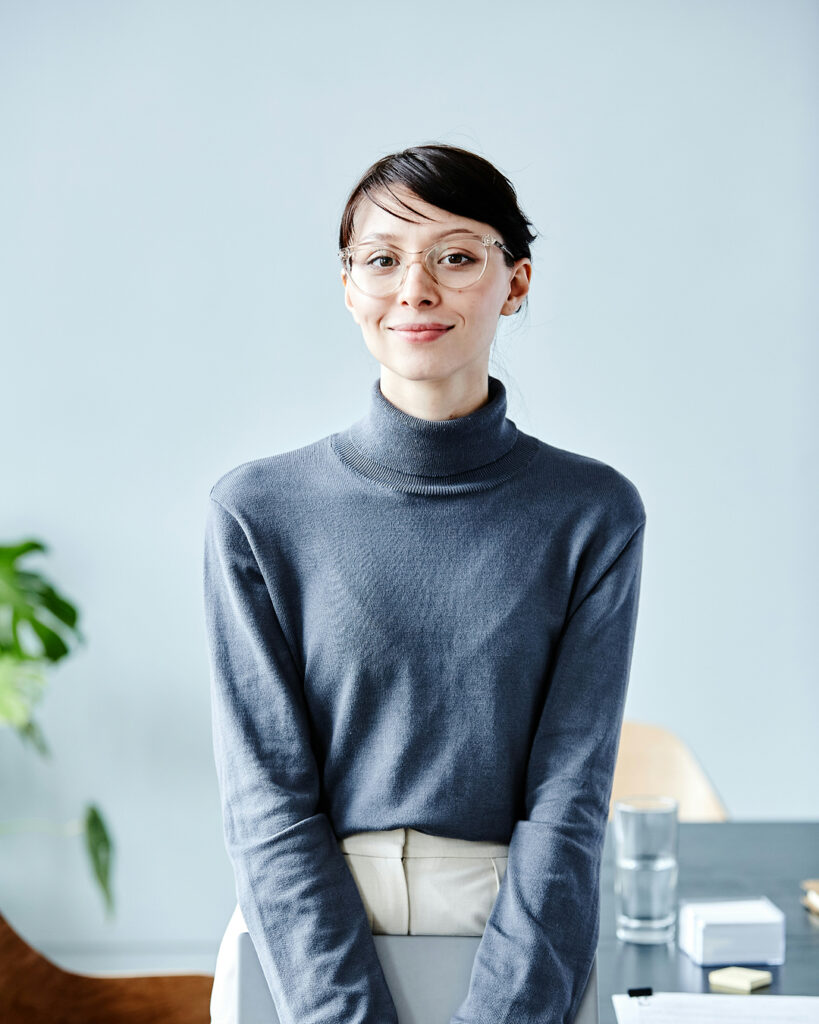
Emily Roberts

Cohorts: Teens-20s

Condition: Hypothalamic Amenorrhoea

“It's been months since I had a period…at first it was quite convenient but now I'm getting worried something is really wrong”

Snapshot
  • Name: Emily Roberts
  • Age range: 20
  • Life stage: University student, menstruating age but currently experiencing period loss
  • Location: Durham, UK
  • Occupation: Sports science undergraduate; part-time gym receptionist
  • Relationship and family context: Lives in shared student flat; long-distance relationship with school boyfriend; perfectionist tendencies, doesn’t talk about stress or food habits with family
  • Relevant condition(s): Hypothalamic Amenorrhoea
  • Density of condition(s): Uncommon – more common amongst athletes and women with eating disorders
  • Key symptoms experienced: Absent periods for 7 months, fatigue, poor sleep, cold hands and feet, low libido, low mood, brittle nails, anxiety about eating more, obsessive exercise habits
  • Severity and duration: Moderate; initially dismissed as “training hard,” but symptoms now affecting wellbeing
  • Diagnosed or suspected: Self-suspected after researching “missed periods from exercise”; hasnʼt seen a doctor yet
  • Current treatments or management: High protein/low calorie diet, 5-6 gym sessions weekly; recently began considering therapy after friend expressed concern
  • Comorbidities or related factors: Perfectionism, orthorexic tendencies, body image concerns, stress from academic performance and self-comparison
  • Main triggers that worsen symptoms: Intense exercise, caloric restriction, lack of rest days, academic stress, social comparison (fitness influencers)
  • Barriers to seeking care: Fear of weight gain, equating “health” with leanness, embarrassment about missing periods, belief doctors will “just tell her to eat more”
  • Information gaps and misconceptions: Thinks period loss is “normal for athletes”; unaware it means her hormones (especially oestrogen) have shut down; hasn’t considered link to bone and fertility health
  • Emotional drivers and concerns: Validation from fitness goals and discipline; fear of “losing control”; anxiety about eating more or resting; guilt when not training
  • Primary health goals: Get her period back without “losing fitness”; understand hormonal health; prevent long-term consequences
  • Secondary lifestyle goals: Improve relationship with food and exercise; manage anxiety and perfectionism
  • What “better” looks like to them: Having a balanced lifestyle where health isnʼt defined by restriction; feeling calm, strong, and hormonally stable again

Hormones and mental health

If your mood, confidence or ability to cope has changed during perimenopause or menopause, there is very likely a biological reason for […]

When does menopause start?

Menopause does not usually arrive all at once. For most women, it is a gradual transition that begins with hormone changes years […]

Sleep and hormones: why your nights may change in perimenopause and menopause

If your sleep has changed in your 40s or 50s, you are not imagining it. Waking in the night, lying awake for […]

Utrogestan (micronised progesterone) explained

If you have been prescribed Utrogestan, or you are wondering whether it might be right for you, it is very normal to […]

Winton House, Church Street, Stratford Upon Avon CV37 6HB
support@balanceai.com

Download the free Balance app now:

Balance+ AI provides information and guidance to support understanding of your hormone health. It is not a substitute for professional medical advice, diagnosis or treatment. Always consult your doctor or a qualified healthcare professional with any questions you have regarding your health. If you think you may be experiencing a medical emergency, please contact the emergency services or seek immediate medical attention.

© Dr Louise Newson 2026