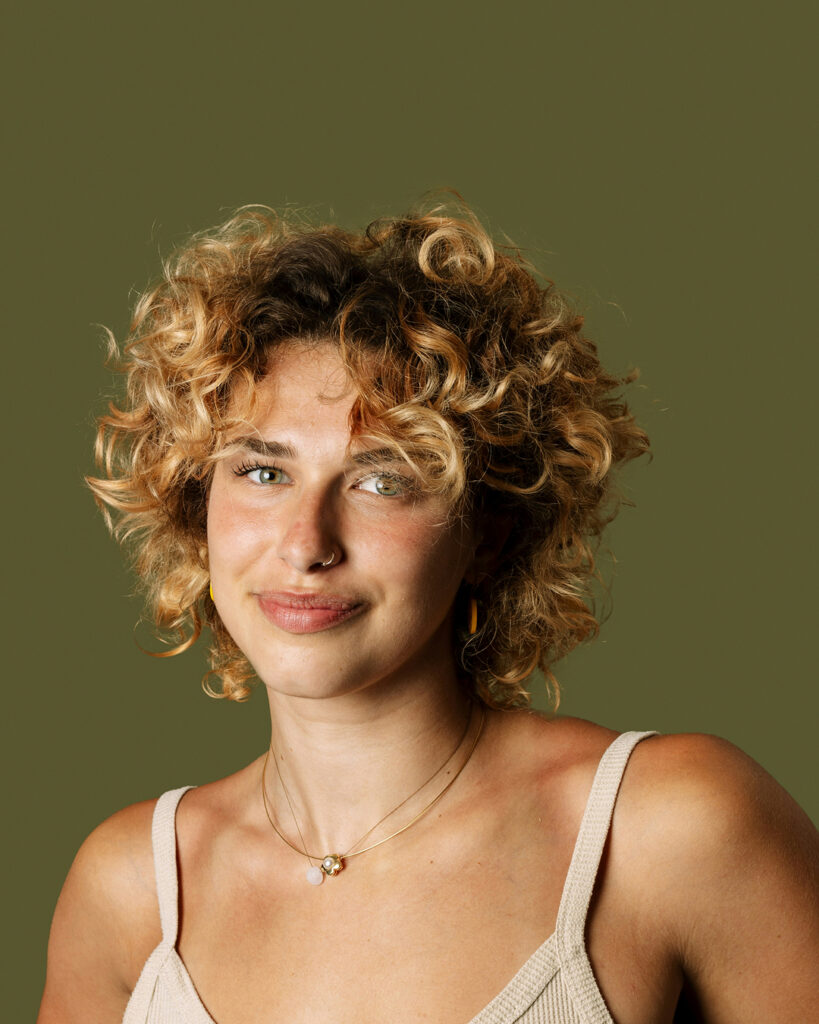
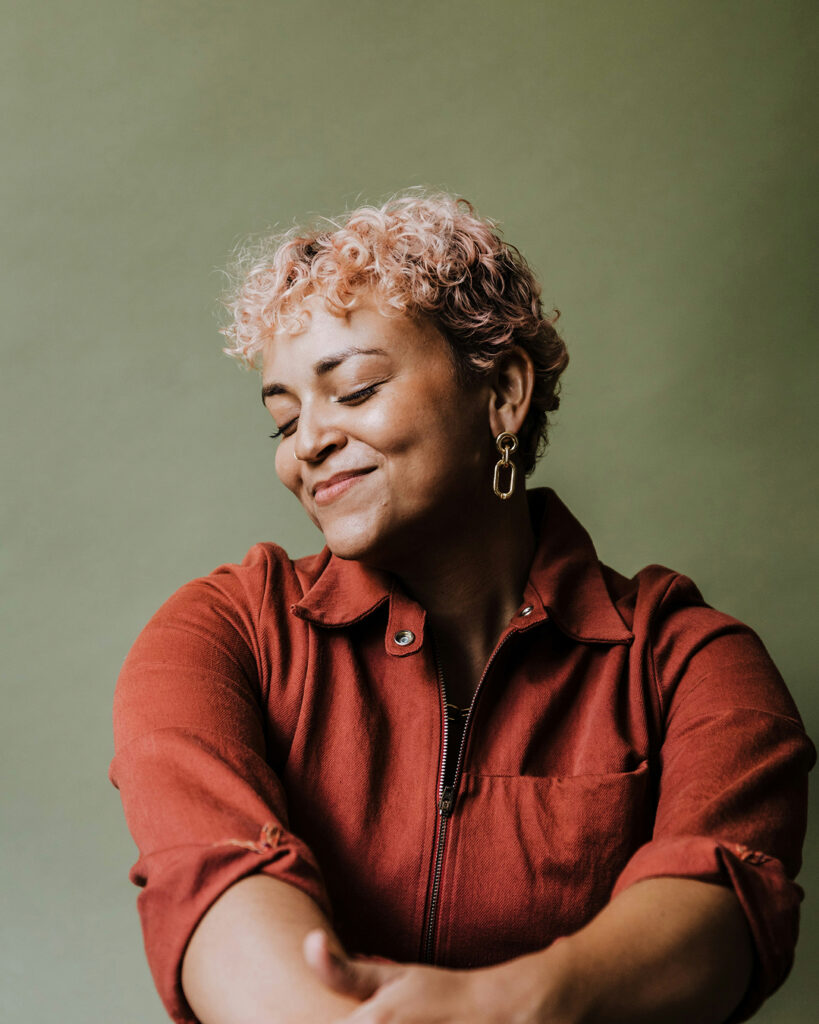
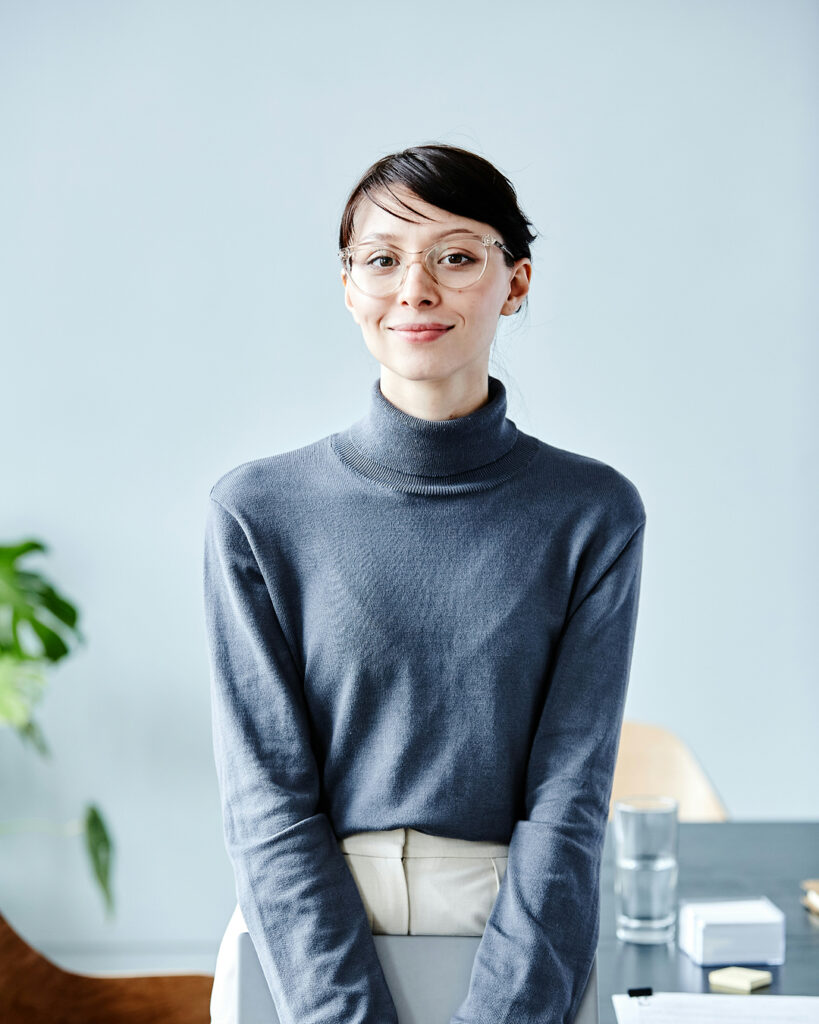
Chloe Williams

Cohorts: 20s-30s

Condition: PMS

“I tell myself itʼs just part of being a woman — but every month it knocks me sideways.”

Snapshot
  • Name: Chloe Williams
  • Age range: 22
  • Life stage: Having periods
  • Location: London
  • Occupation: Junior marketing assistant at a creative agency
  • Relationship and family context: Flat shares with friends; single but dating casually
  • Relevant condition(s): PMS
  • Density of condition(s): Very common in women of reproductive age
  • Key symptoms experienced: Intense mood swings, tearfulness, irritability, bloating, breakouts, fatigue, sleep disruption
  • Severity and duration: Moderate to severe, recurring 5-7 days before period monthly
  • Diagnosed or suspected: Self-identified, no formal medical support
  • Current treatments or management: Tries herbal teas, supplements, skincare routines – no consistent or formal strategy
  • Comorbidities or related factors: Low mood and anxiety around periods, low self-worth from acne and fatigue
  • Main triggers that worsen symptoms: Stressful work deadlines, social drinking, poor sleep, heavy caffeine intake
  • Barriers to seeking care: Thinks PMS is “normal” so doesnʼt see GP – feels she should just push through
  • Information gaps and misconceptions: Doesnʼt know PMS can be managed or that hormone health is a medical topic
  • Emotional drivers and concerns: Struggles to stay consistently high-functioning in a competitive job, feels guilty cancelling social plans, worried peers donʼt take PMS and its symptoms seriously
  • Primary health goals: Reduce intensity of mood swings and improve sleep quality during PMS window
  • Secondary lifestyle goals: Maintain clear skin, keep energy for work and social life, feel more in control of emotions and energy levels
  • What “better” looks like to them: What “better” looks like to them: Managing PMS without disrupting work deadlines or friendships, feeling validated and supported and not ‘crazyʼ

Hormones and mental health

If your mood, confidence or ability to cope has changed during perimenopause or menopause, there is very likely a biological reason for […]

When does menopause start?

Menopause does not usually arrive all at once. For most women, it is a gradual transition that begins with hormone changes years […]

Sleep and hormones: why your nights may change in perimenopause and menopause

If your sleep has changed in your 40s or 50s, you are not imagining it. Waking in the night, lying awake for […]

Utrogestan (micronised progesterone) explained

If you have been prescribed Utrogestan, or you are wondering whether it might be right for you, it is very normal to […]

Winton House, Church Street, Stratford Upon Avon CV37 6HB
support@balanceai.com

Download the free Balance app now:

Balance+ AI provides information and guidance to support understanding of your hormone health. It is not a substitute for professional medical advice, diagnosis or treatment. Always consult your doctor or a qualified healthcare professional with any questions you have regarding your health. If you think you may be experiencing a medical emergency, please contact the emergency services or seek immediate medical attention.

© Dr Louise Newson 2026