- Persona
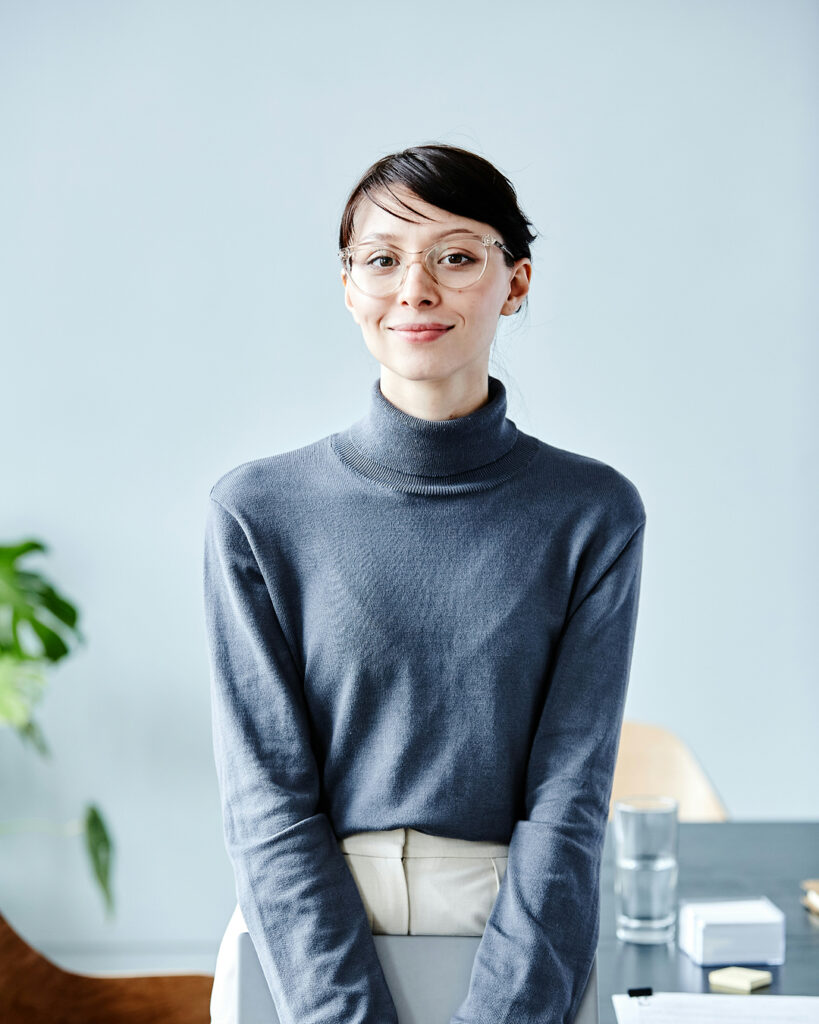
Emma Higgins
Cohorts: Teens-20s, 20s-40s
Condition: PCOS
“I feel like no one understands what I'm going through - it's like my body is against me”
Snapshot
- Name: Emma Higgins
- Age range: 30
- Life stage: Reproductive years
- Location: Small town in Yorkshire, UK
- Occupation: Primary school teaching assistant
- Relationship and family context: Lives with parents, close to siblings, single
Health Context
- Relevant condition(s): Polycystic Ovary Syndrome (PCOS)
- Density of condition(s): Common (estimated to affect 1 in 10 women)
- Key symptoms experienced: Irregular periods, acne, excess facial hair, thinning head hair, weight fluctuations, low energy
- Severity and duration: Ongoing since teenage years, worsening into adulthood
- Diagnosed or suspected: Suspected but not formally diagnosed, hasn’t pushed for tests at GP
- Current treatments or management: Occasional dieting attempts, over-the-counter acne treatments and pain killers, no structured medical or lifestyle plan
- Comorbidities or related factors: Low self-esteem, mild depression, feelings of isolation due to lifelong struggle
Triggers and barriers
- Main triggers that worsen symptoms: Stress, poor diet, irregular sleep, lack of exercise routine
- Barriers to seeking care: Limited awareness of treatment options, doesn’t live near PCIS-specific clinics or communities, feels ashamed of symptoms
- Information gaps and misconceptions: Believes nothing can be done since there’s “no cure”, doesn’t realise the extent diet can influence symptoms, unaware of risks, e.g. insulin resistance
- Emotional drivers and concerns: Feels unattractive and “different”, worries about fertility in the future, lacks confidence seeking help
Goals and needs
- Primary health goals: Manage physical symptoms (skin, hair, weight), regulate cycles, understand her condition better
- Secondary lifestyle goals: Build confidence in appearance, feel comfortable socially, create healthy daily routines
- What “better” looks like to them: Symptoms under control, feeling validated and normalised, having a trusted source if guidance on PCOS
- Relevant Resources
If your mood, confidence or ability to cope has changed during perimenopause or menopause, there is very likely a biological reason for […]
Menopause does not usually arrive all at once. For most women, it is a gradual transition that begins with hormone changes years […]
If your sleep has changed in your 40s or 50s, you are not imagining it. Waking in the night, lying awake for […]
If you have been prescribed Utrogestan, or you are wondering whether it might be right for you, it is very normal to […]
- Explore other personas