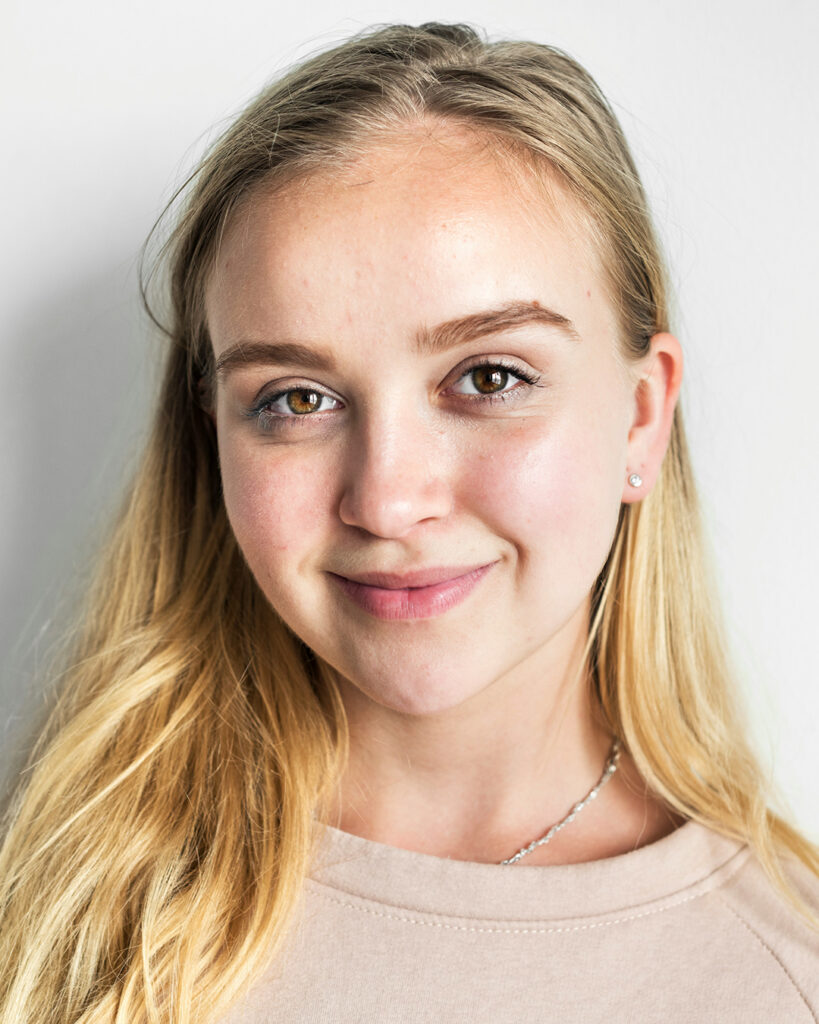
Lily Evans

Cohorts: Teens-20s

Condition: Primary Dysmenorrhoea

“Everyone says periods hurt, but mine feel unbearable. Idon’t want people to think I’m being dramatic.”

Snapshot
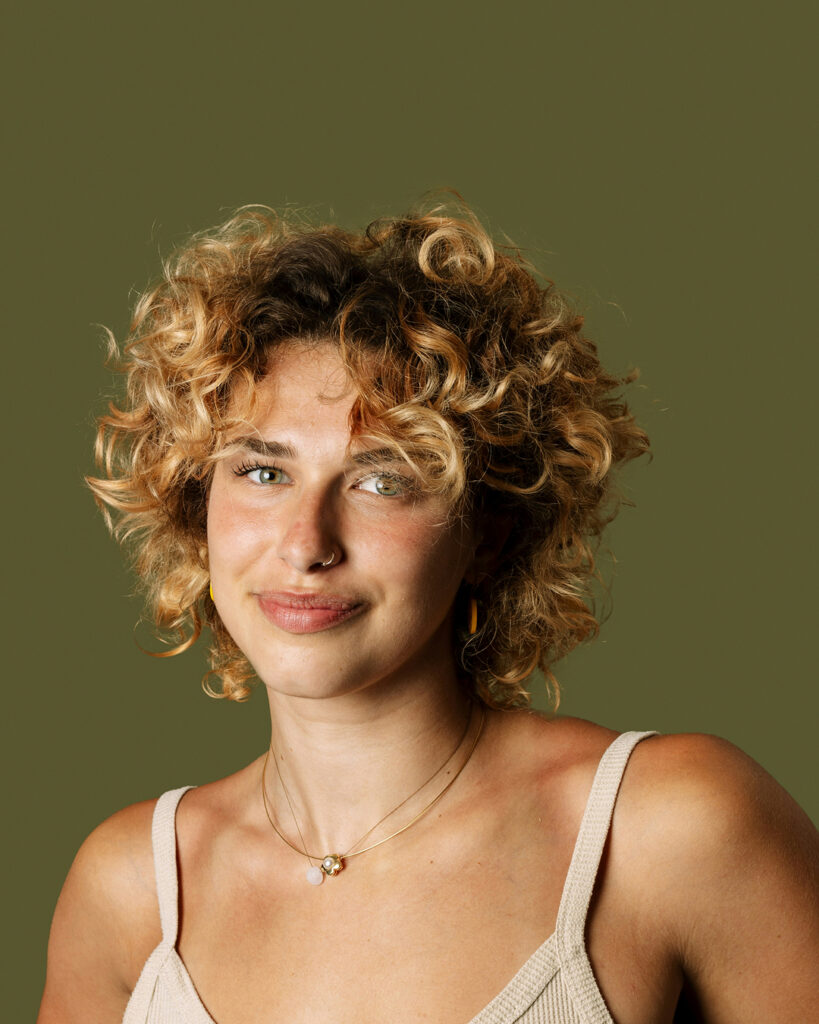
  • Name: Lily Evans
  • Age range: 15
  • Life stage: Adolescent / school years
  • Location: Suburban town in SE UK
  • Occupation: Secondary school student (Year 10)
  • Relationship and family context: Lives with parents and younger brother; close group of school friends but doesnʼt talk openly about her pain
  • Relevant condition(s): Primary dysmenorrhoea (painful periods due to hormonal imbalance)
  • Density of condition(s): Very common in teenagers (affecting 50-90%)
  • Key symptoms experienced: Severe abdominal cramps, lower back pain, fatigue, nausea during periods
  • Severity and duration: Severe pain lasting 1-3 days each month; occasionally misses school due to symptoms
  • Diagnosed or suspected: GP diagnosed dysmenorrhoea; doctor suggested the pill as treatment
  • Current treatments or management: Over-the-counter painkillers, hot water bottle, light exercise when possible; reluctant to start on the pill due to side effects
  • Comorbidities or related factors: Social embarrassment; low mood during periods; academic stress when missing school days
  • Main triggers that worsen symptoms: Period onset, stress, lack of exercise, poor sleep
  • Barriers to seeking care: Embarrassment; fear of being judged as “weak”; doesnʼt know alternative treatments beyond the pill
  • Information gaps and misconceptions: Believes sheʼs abnormal compared to friends; doesnʼt know progesterone or lifestyle support can help
  • Emotional drivers and concerns: Wants validation and reassurance that her experience is real and common; craves confidence to talk to friends and family without shame
  • Primary health goals: Manage period pain so she doesnʼt have to miss school or social events; understand whatʼs happening in her body
  • Secondary lifestyle goals: Fit in with friends and feel “normal”; build confidence in navigating puberty; keep up with studies and hobbies
  • What “better” looks like to them: Being able to cope during periods without feeling isolated; having reliable ways to manage pain and reassurance that her symptoms have a cause

Hormones and mental health

If your mood, confidence or ability to cope has changed during perimenopause or menopause, there is very likely a biological reason for […]

When does menopause start?

Menopause does not usually arrive all at once. For most women, it is a gradual transition that begins with hormone changes years […]

Sleep and hormones: why your nights may change in perimenopause and menopause

If your sleep has changed in your 40s or 50s, you are not imagining it. Waking in the night, lying awake for […]

Utrogestan (micronised progesterone) explained

If you have been prescribed Utrogestan, or you are wondering whether it might be right for you, it is very normal to […]

Winton House, Church Street, Stratford Upon Avon CV37 6HB
support@balanceai.com

Download the free Balance app now:

Balance+ AI provides information and guidance to support understanding of your hormone health. It is not a substitute for professional medical advice, diagnosis or treatment. Always consult your doctor or a qualified healthcare professional with any questions you have regarding your health. If you think you may be experiencing a medical emergency, please contact the emergency services or seek immediate medical attention.

© Dr Louise Newson 2026