- Persona
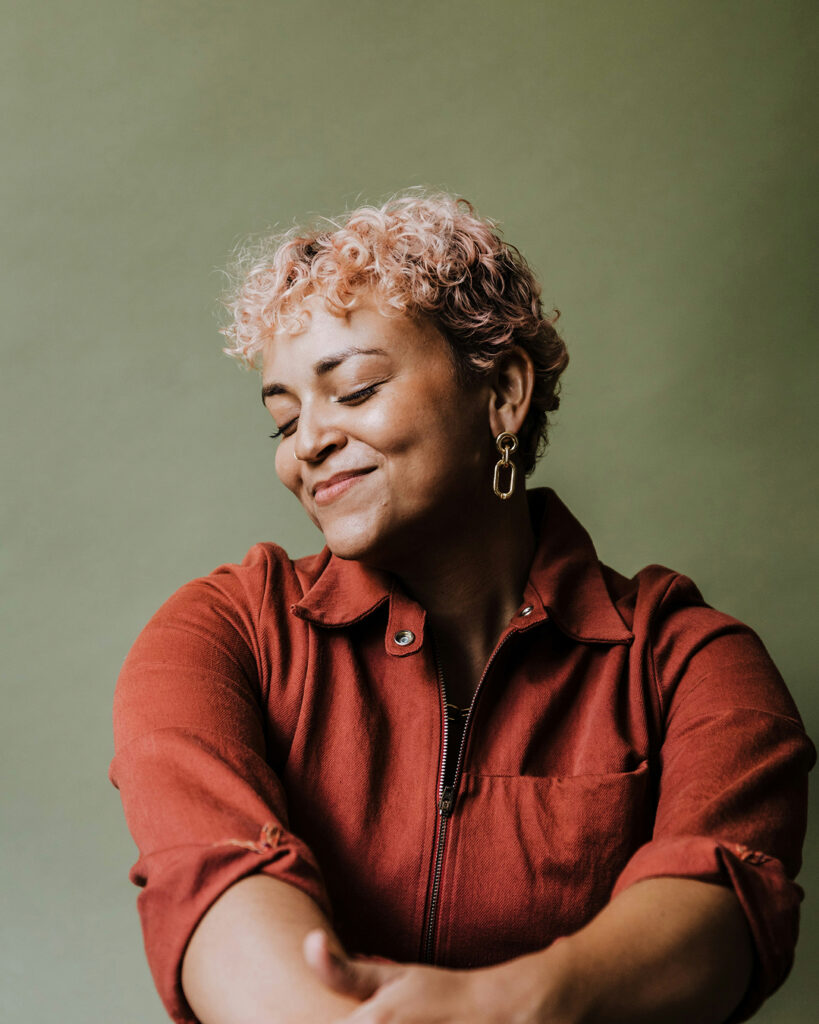
Rachel Ahmed
Cohorts: 30s-40s, 30s-40s (rare)
Condition: Hypopituitarism
“I feel like Iʼm constantly running on empty, and no one can tell me why.”
Snapshot
- Name: Rachel Ahmed
- Age range: 37
- Life stage: Mid-career woman balancing work and family
- Location: Birmingham
- Occupation: HR manager in a corporate firm
Health Context
- Relevant condition(s): Hypopituitarism (multiple pituitary hormone deficiencies)
- Density of condition(s): Rare
- Key symptoms experienced: chronic fatigue, low energy, brain fog, reduced libido, weight changes, sensitivity to cold, low mood, irregular or absent periods
- Severity and duration: long-term, progressive symptoms over several years, often fluctuating but increasingly disruptive
- Diagnosed or suspected: diagnosed after a prolonged period of uncertainty and multiple GP referrals, often following endocrinology testing
- Current treatments or management: HRT (could be a better dose for her though), regular endocrinology monitoring, lifestyle adjustments including rest prioritisation and stress management
- Comorbidities or related factors: history of pituitary tumour or head injury, anxiety linked to chronic symptoms, possible thyroid or adrenal insufficiency
Triggers and barriers
- Main triggers that worsen symptoms: stress, lack of sleep, overexertion, illness, inconsistent medication adherence
- Barriers to seeking care: symptoms dismissed as stress or ageing, lack of awareness of pituitary disorders, long referral pathways, difficulty articulating complex symptoms
- Information gaps and misconceptions: confusion about the role of the pituitary gland, belief that symptoms are unrelated or lifestyle-driven, limited accessible information on rare endocrine disorders
- Emotional drivers and concerns: frustration at lack of answers, fear of long-term health decline, guilt around reduced capacity at work and home, desire for validation and clarity
Goals and needs
- Primary health goals: achieve symptom stability, optimise hormone levels, feel physically and mentally functional
- Secondary lifestyle goals: maintain career progression, be present for family, regain confidence in daily routines
- What “better” looks like to them: consistent energy, clear thinking, self-assurance
- Relevant Resources
If your mood, confidence or ability to cope has changed during perimenopause or menopause, there is very likely a biological reason for […]
Menopause does not usually arrive all at once. For most women, it is a gradual transition that begins with hormone changes years […]
If your sleep has changed in your 40s or 50s, you are not imagining it. Waking in the night, lying awake for […]
If you have been prescribed Utrogestan, or you are wondering whether it might be right for you, it is very normal to […]
- Explore other personas