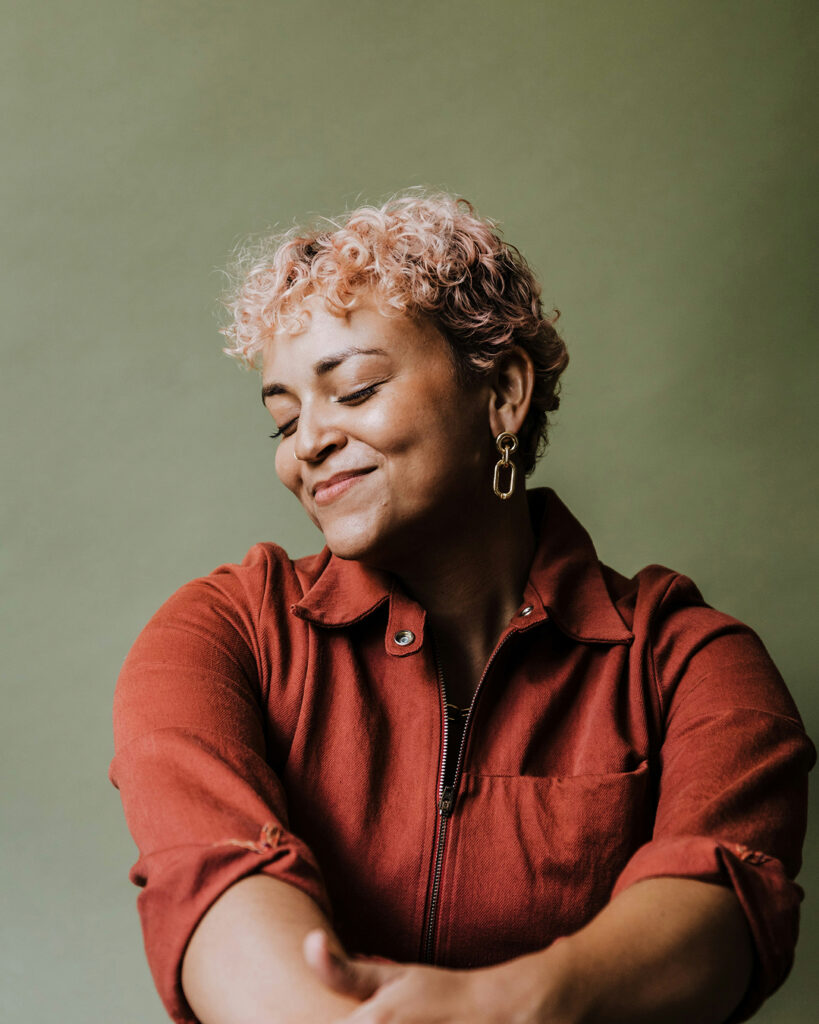
- Persona
Alisha Johal
Cohorts: 20s-40s
Condition: Hyperthyroidism
“I thought I was just tired and gaining ‘fresherʼs weightʼ — but nothing I do makes me feel better.”
Snapshot
- Name: Alisha Johal
- Age range: 22
- Life stage: University student (final year undergrad)
- Location: Leeds, UK
- Occupation: Student, part-time barista
- Relationship and family context: Lives in student housing with friends, single, family back in Birmingham; juggling coursework, shifts, and a social life
Health Context
- Relevant condition(s): Hypothyroidism (underactive thyroid)
- Density of condition(s): More common in women; can develop at any age but often missed in young adults
- Key symptoms experienced: Constant fatigue, weight gain despite diet/exercise, constipation, low mood, difficulty concentrating (“brain fog”), always feeling cold
- Severity and duration: Symptoms have been creeping in for ~18 months, worsening in the last 6 months
- Diagnosed or suspected: Not yet diagnosed; assumes itʼs “normal student stress/tiredness”
- Current treatments or management: Over-the-counter vitamins, caffeine, exercise attempts; no blood tests yet
- Comorbidities or related factors: Mild depression and social withdrawal; body image insecurities worsened by weight gain
Triggers and barriers
- Main triggers that worsen symptoms: Stressful deadlines, lack of sleep, processed student diet, alcohol
- Barriers to seeking care: Thinks GP wonʼt take her seriously; assumes itʼs “just uni life”; doesnʼt know about blood tests for thyroid function
- Information gaps and misconceptions: Believes fatigue and low mood are normal at uni; unaware thyroid issues can affect young women; doesnʼt know about hormone replacement therapy (levothyroxine)
- Emotional drivers and concerns: Feels guilty for being “lazy”; worried about her looks and weight; fears sheʼll underperform academically
Goals and needs
- Primary health goals: Understand why she feels so drained; explore medical testing for thyroid function; regain concentration and energy
- Secondary lifestyle goals: Maintain grades, enjoy social life without constant exhaustion, feel comfortable in her body again
- What “better” looks like to them: Feeling energised, being able to keep up with studies and nights out, reclaiming confidence
- Relevant Resources
If your mood, confidence or ability to cope has changed during perimenopause or menopause, there is very likely a biological reason for […]
Menopause does not usually arrive all at once. For most women, it is a gradual transition that begins with hormone changes years […]
If your sleep has changed in your 40s or 50s, you are not imagining it. Waking in the night, lying awake for […]
If you have been prescribed Utrogestan, or you are wondering whether it might be right for you, it is very normal to […]
- Explore other personas