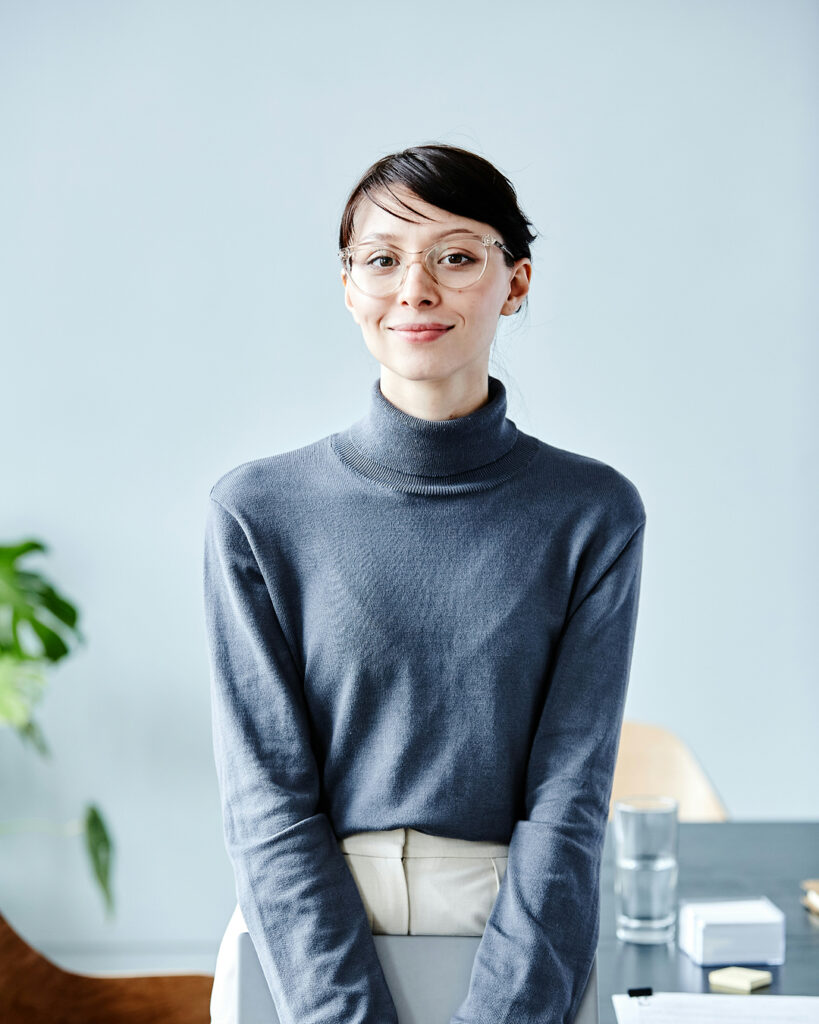
- Persona
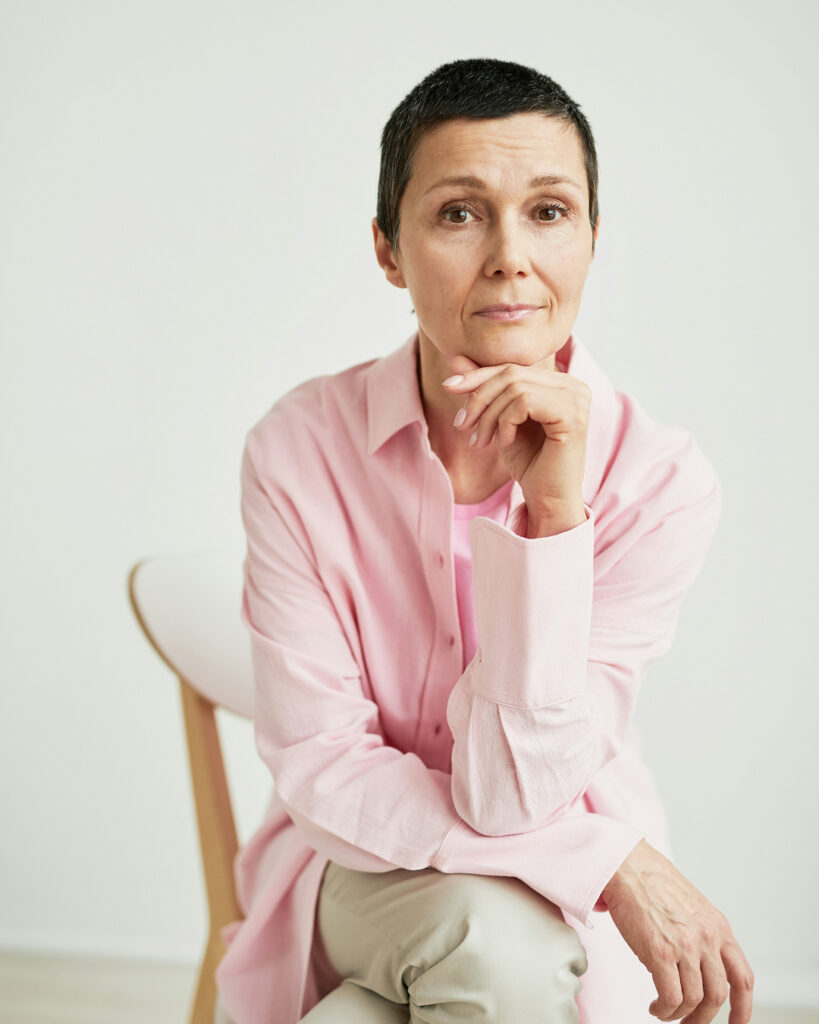
Sally Morton
Cohorts: 40s-50s
Condition: Menorrhagia (often with fibroids/adenomyosis)
“Iʼm so tired of planning my life around my period and constantly being paranoid about leaking.”
Snapshot
- Name: Sarah Morton
- Age range: 41
- Life stage: Perimenopause/hormonal imbalance
- Location: Sheffield, UK
- Occupation: Secondary school teacher
- Relationship and family context: Married, two children (aged 9 and 12). Busy home life; a partner who works long hours. No plans for more children; finances are moderate (dual income), but cost-sensitive about healthcare.
Health Context
- Relevant condition(s): Menorrhagia due to hormonal imbalance (low progesterone, unopposed oestrogen); possibly small fibroids
- Density of condition(s): Common
- Key symptoms experienced: Very heavy bleeding, constant leaking, fatigue, mild anaemia, mood swings, irritability, anxiety around unpredictable bleeding, disruption to sleep and daily schedule
- Severity and duration: Symptoms have worsened gradually over the past 12 months; increasingly severe in the past 6 Bleeding heavy enough to affect daily life (missing work or cancelling plans).
- Diagnosed or suspected: Suspected hormonal imbalance; GP has suggested fibroids (ultrasound pending), but not yet prescribed treatment consistently; iron supplements tried; some over-the-counter remedies.
- Current treatments or management: Iron supplements; heavy period pads; herbal/tincture “natural” remedies; trying to track bleeding in period apps; occasional GP visits; self-medicating pain relief. She hasnʼt yet had or accepted HRT/progesterone therapy.
- Comorbidities or related factors: Mild anaemia; tiredness; maybe some obesity (slightly overweight) contributing; stress from job and family; occasional heavy work load; sleep disrupted by bleeding and anxiety; mild depression or low mood fear.
Triggers and barriers
- Main triggers that worsen symptoms: Hormone fluctuation (perimenopause), stress, lack of sleep, heavy physical activity, diet (high sugar/starch), alcohol, skipping Possibly weight gain. Also menstrual cycle irregularity makes predicting hard.
- Barriers to seeking care: Feels embarrassed/uplifted by heavy bleeding / leaks; considers it “just a part of getting older” -Thinks nothing will change until menopause. Hesitant about HRT / hormonal therapy (concerns about side effects, safety, cancer risk) and overwhelmed by conflicting info; doesnʼt know where to get credible advice. Time constraints (job, children) make doctorsʼ appointments hard as well as cost concerns – private vs NHS, prescriptions, travel.
- Information gaps and misconceptions: Doesnʼt understand that progesterone deficiency (not just oestrogen) plays a big Believes HRT is only for post-menopausal women, not for heavy bleeding or perimenopause and that fibroids always require surgery; not aware of medical/hormonal treatments. Unaware of risks of untreated anaemia / prolonged bleeding. Been misled by “natural remedies” promises.
- Emotional drivers and concerns: Fear and shame of heavy bleeding, long term health worries, feelings of frustration and helplessness, desire to regain control
Goals and needs
- Primary health goals: reduce bleeding, make periods manageable, improve energy, stop leaks
- Secondary lifestyle goals: Be able to live freely/without fear, reduce emotional burden and mood swings, balance work/life better
- What “better” looks like to them: Nights without leaks, steady energy in day, confidence to wear white clothes, having a clear plan for hope
- Relevant Resources
If your mood, confidence or ability to cope has changed during perimenopause or menopause, there is very likely a biological reason for […]
Menopause does not usually arrive all at once. For most women, it is a gradual transition that begins with hormone changes years […]
If your sleep has changed in your 40s or 50s, you are not imagining it. Waking in the night, lying awake for […]
If you have been prescribed Utrogestan, or you are wondering whether it might be right for you, it is very normal to […]
- Explore other personas