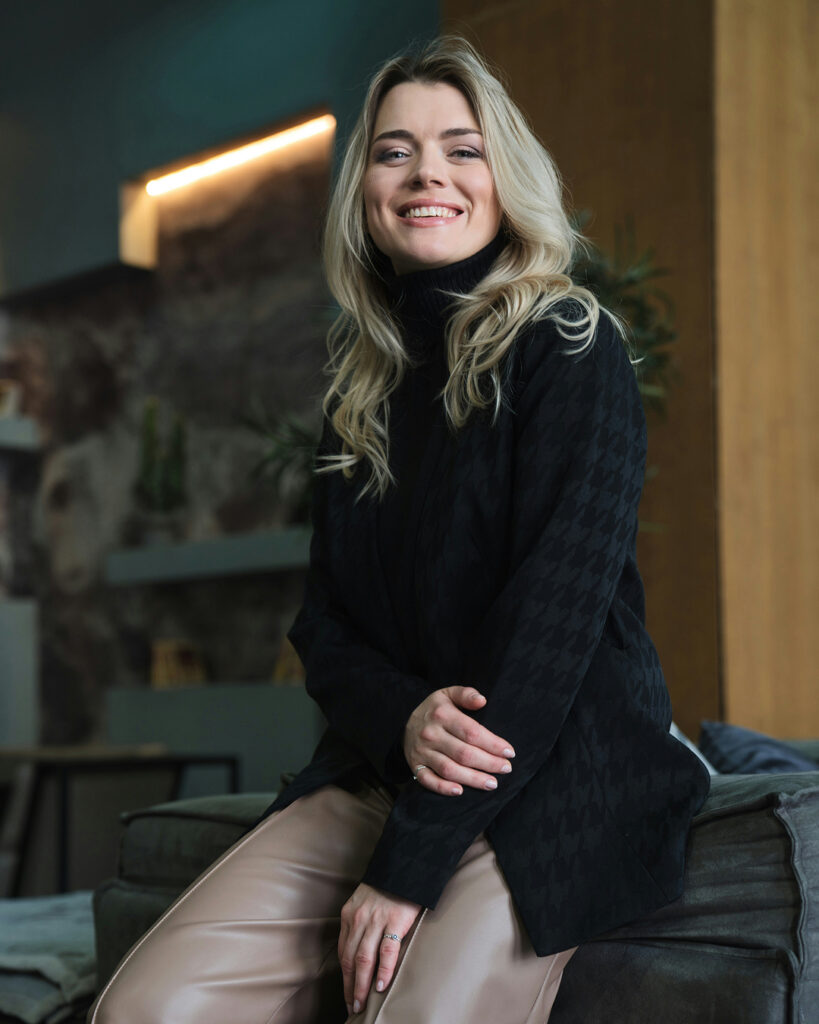
Harriet McDowell

Cohorts: 30s-40s

Condition: Prolactinoma

“Iʼve been dealing with symptoms for a while, but itʼs hard to ignore work and daily life long enough to properly address it.”

Snapshot
  • Name: Harriet McDowell
  • Age range: 33
  • Life stage: Young professional, balancing freelance career, health concerns, and personal life
  • Location: Cotswolds
  • Occupation: Freelance social media manager working remotely with multiple clients
  • Relationship and family context: Lives with partner, socially active but with fluctuating routines; close network of friends but irregular schedules limit consistency
  • Relevant condition(s): Prolactinoma (pituitary prolactin-producing tumour)
  • Density of condition(s): Relatively uncommon but the most common functional pituitary tumour in women of reproductive age
  • Key symptoms experienced: Irregular or absent periods, low libido, headaches, fatigue, brain fog, possible galactorrhoea, mood fluctuations, difficulty concentrating
  • Severity and duration: Chronic, often developing gradually over months to years; symptoms may fluctuate depending on prolactin levels and treatment adherence
  • Diagnosed or suspected: diagnosed following blood tests and MRI; may be under specialist care but not always fully understood by the patient
  • Current treatments or management: Dopamine agonist medication (e.g. cabergoline or bromocriptine), regular blood monitoring, periodic MRI scans, lifestyle adjustments
  • Comorbidities or related factors: Stress, disrupted sleep patterns, hormonal imbalance effects on mood, potential anxiety around long-term health and fertility
  • Main triggers that worsen symptoms: Stress from freelance workload, inconsistent routines, poor sleep, missed medication doses, hormonal fluctuations, burnout, overworking without rest
  • Barriers to seeking care: Time constraints, feeling stable enough to delay appointments, difficulty prioritising health over work, lack of clarity about symptoms
  • Information gaps and misconceptions: Limited understanding of long-term implications, uncertainty about fertility and hormone regulation, confusion around symptom variability, lack of awareness of links between symptoms and prolactin levels
  • Emotional drivers and concerns: Anxiety about fertility, frustration with persistent fatigue, desire to maintain career productivity, fear of long-term tumour impact, feeling of being “on top of it” while quietly managing ongoing symptoms
  • Primary health goals: Stabilise hormone levels, reduce prolactin, restore regular menstrual function, improve energy and cognitive clarity
  • Secondary lifestyle goals: Maintain flexibility in freelance work, sustain productivity, preserve independence, avoid health interfering with career progression
  • What “better” looks like to them: Consistent energy throughout the day, clearer thinking, regular cycles, fewer symptoms interfering with work, feeling in control of both health and schedule

Hormones and mental health

If your mood, confidence or ability to cope has changed during perimenopause or menopause, there is very likely a biological reason for […]

When does menopause start?

Menopause does not usually arrive all at once. For most women, it is a gradual transition that begins with hormone changes years […]

Sleep and hormones: why your nights may change in perimenopause and menopause

If your sleep has changed in your 40s or 50s, you are not imagining it. Waking in the night, lying awake for […]

Utrogestan (micronised progesterone) explained

If you have been prescribed Utrogestan, or you are wondering whether it might be right for you, it is very normal to […]

Winton House, Church Street, Stratford Upon Avon CV37 6HB
support@balanceai.com

Download the free Balance app now:

Balance+ AI provides information and guidance to support understanding of your hormone health. It is not a substitute for professional medical advice, diagnosis or treatment. Always consult your doctor or a qualified healthcare professional with any questions you have regarding your health. If you think you may be experiencing a medical emergency, please contact the emergency services or seek immediate medical attention.

© Dr Louise Newson 2026