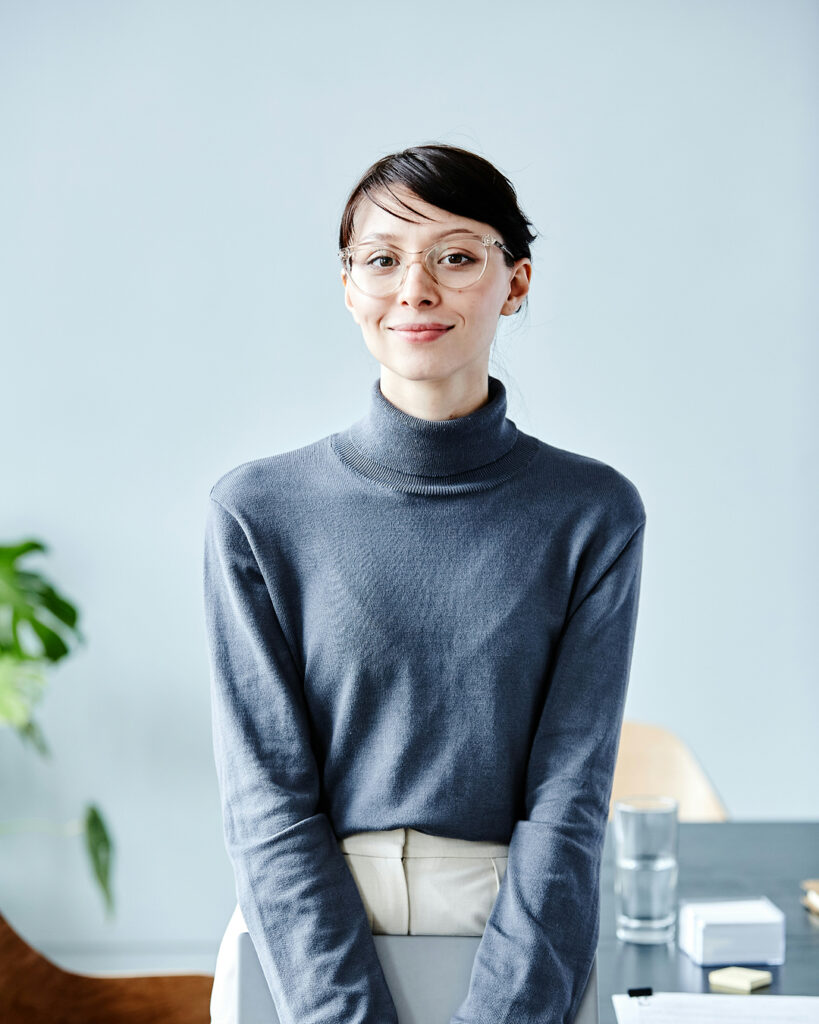
Emma Higgins

Cohorts: Teens-20s, 20s-40s

Condition: PCOS

“I feel like no one understands what I'm going through - it's like my body is against me”

Snapshot
  • Name: Emma Higgins
  • Age range: 30
  • Life stage: Reproductive years
  • Location: Small town in Yorkshire, UK
  • Occupation: Primary school teaching assistant
  • Relationship and family context: Lives with parents, close to siblings, single
  • Relevant condition(s): Polycystic Ovary Syndrome (PCOS)
  • Density of condition(s): Common (estimated to affect 1 in 10 women)
  • Key symptoms experienced: Irregular periods, acne, excess facial hair, thinning head hair, weight fluctuations, low energy
  • Severity and duration: Ongoing since teenage years, worsening into adulthood
  • Diagnosed or suspected: Suspected but not formally diagnosed, hasn’t pushed for tests at GP
  • Current treatments or management: Occasional dieting attempts, over-the-counter acne treatments and pain killers, no structured medical or lifestyle plan
  • Comorbidities or related factors: Low self-esteem, mild depression, feelings of isolation due to lifelong struggle
  • Main triggers that worsen symptoms: Stress, poor diet, irregular sleep, lack of exercise routine
  • Barriers to seeking care: Limited awareness of treatment options, doesn’t live near PCIS-specific clinics or communities, feels ashamed of symptoms
  • Information gaps and misconceptions: Believes nothing can be done since there’s “no cure”, doesn’t realise the extent diet can influence symptoms, unaware of risks, e.g. insulin resistance
  • Emotional drivers and concerns: Feels unattractive and “different”, worries about fertility in the future, lacks confidence seeking help
  • Primary health goals: Manage physical symptoms (skin, hair, weight), regulate cycles, understand her condition better
  • Secondary lifestyle goals: Build confidence in appearance, feel comfortable socially, create healthy daily routines
  • What “better” looks like to them: Symptoms under control, feeling validated and normalised, having a trusted source if guidance on PCOS

Hormones and mental health

If your mood, confidence or ability to cope has changed during perimenopause or menopause, there is very likely a biological reason for […]

When does menopause start?

Menopause does not usually arrive all at once. For most women, it is a gradual transition that begins with hormone changes years […]

Sleep and hormones: why your nights may change in perimenopause and menopause

If your sleep has changed in your 40s or 50s, you are not imagining it. Waking in the night, lying awake for […]

Utrogestan (micronised progesterone) explained

If you have been prescribed Utrogestan, or you are wondering whether it might be right for you, it is very normal to […]

Winton House, Church Street, Stratford Upon Avon CV37 6HB
support@balanceai.com

Download the free Balance app now:

Balance+ AI provides information and guidance to support understanding of your hormone health. It is not a substitute for professional medical advice, diagnosis or treatment. Always consult your doctor or a qualified healthcare professional with any questions you have regarding your health. If you think you may be experiencing a medical emergency, please contact the emergency services or seek immediate medical attention.

© Dr Louise Newson 2026