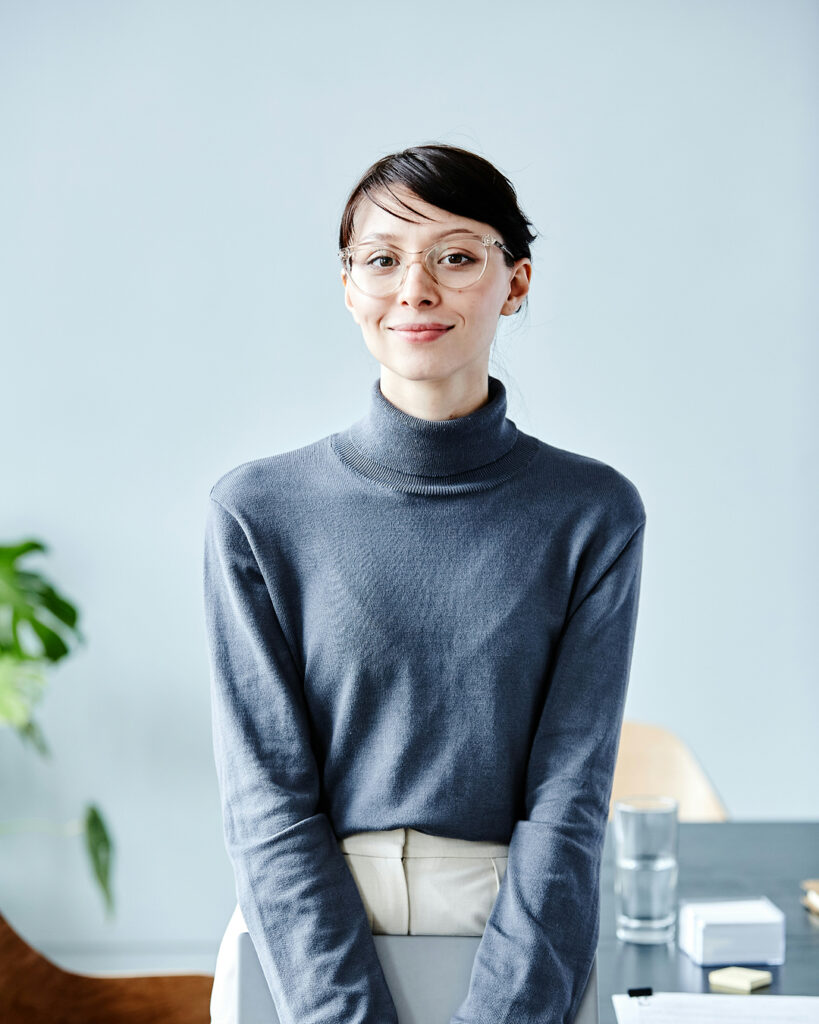
- Persona
Olivia Hart
Cohorts: 30s-40s
Condition: Sheehan's syndrome
“I thought I'd feel like myself again after birth, but I've never felt quite right since…”
Snapshot
- Name: Olivia Hart
- Age range: 32
- Life stage: New mother/postpartum
- Location: Manchester
- Occupation: Was a full-time marketing manager, currently on extended maternity leave working very part time from home
- Relationship and family context: Married, first child, not great family support
Health Context
- Relevant condition(s): Sheehan’s syndrome (postpartum hypopituitarism
- Density of condition(s): Rare
- Key symptoms experienced: extreme fatigue, difficulty breastfeeding, brain fog, low mood and libido, absent periods
- Severity and duration: persistent and somewhat worsening
- Diagnosed or suspected: Often undiagnosed or misdiagnosed for months/years
- Current treatments or management: HRT (probably not correct dose), trial and error visits to GP before diagnosis, independent research and symptom tracking
- Comorbidities or related factors: traumatic birth experience (haemorrhage?), postnatal anxiety/depression and iron deficiency since the birth
Triggers and barriers
- Main triggers that worsen symptoms: sleep deprivation, stress and overwhelm, hormonal fluctuations, anxiety about returning to work
- Barriers to seeking care: symptoms brushed aside – just being a new mum, lack of awareness of syndrome, GP dismissals, time constraints
- Information gaps and misconceptions: Belief all post party fatigue is normal, lack of hormonal awareness, misunderstanding of the pituitary function
- Emotional drivers and concerns: worry she’s not good enough, frustration of not recognising herself, anxiety about long term health, desire to feel in control
Goals and needs
- Primary health goals: understanding what is actually happening in her body, get an accurate diagnosis, restore energy and mental clarity
- Secondary lifestyle goals: return to work confidently, rebuild personal identity (beyond motherhood), improve relationships and intimacy
- What “better” looks like to them: Feeling like herself agin, having energy, clarity, and emotional stability
- Relevant Resources
If your mood, confidence or ability to cope has changed during perimenopause or menopause, there is very likely a biological reason for […]
Menopause does not usually arrive all at once. For most women, it is a gradual transition that begins with hormone changes years […]
If your sleep has changed in your 40s or 50s, you are not imagining it. Waking in the night, lying awake for […]
If you have been prescribed Utrogestan, or you are wondering whether it might be right for you, it is very normal to […]
- Explore other personas