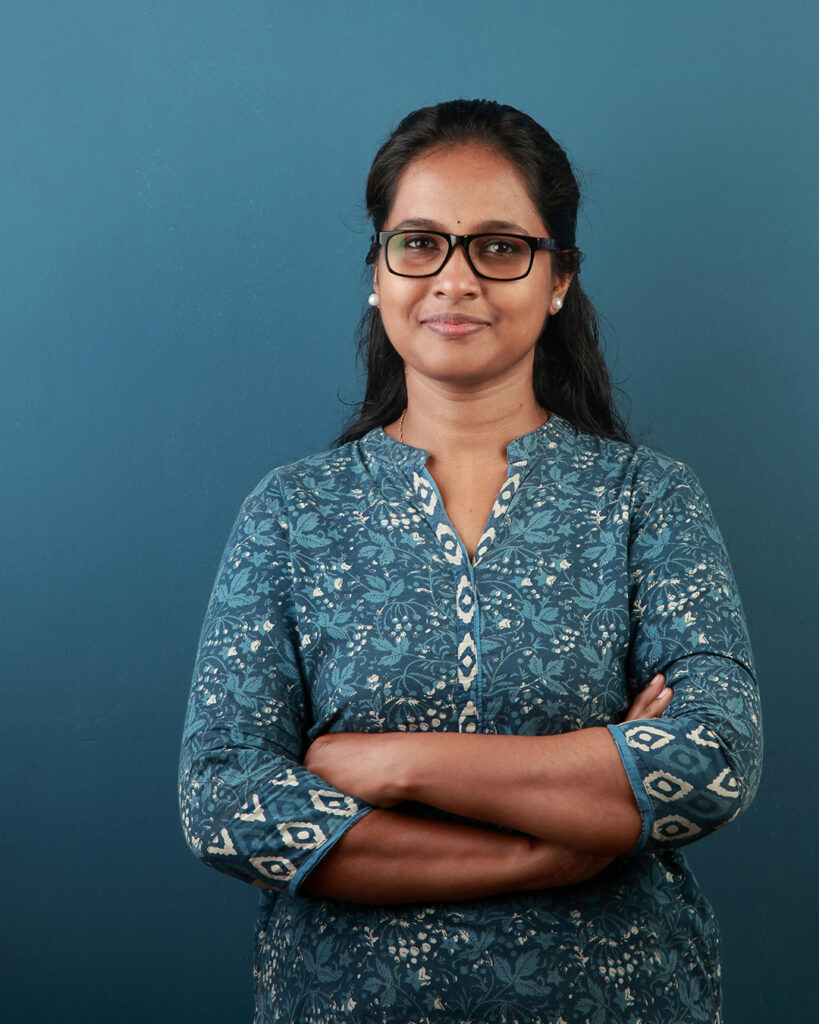
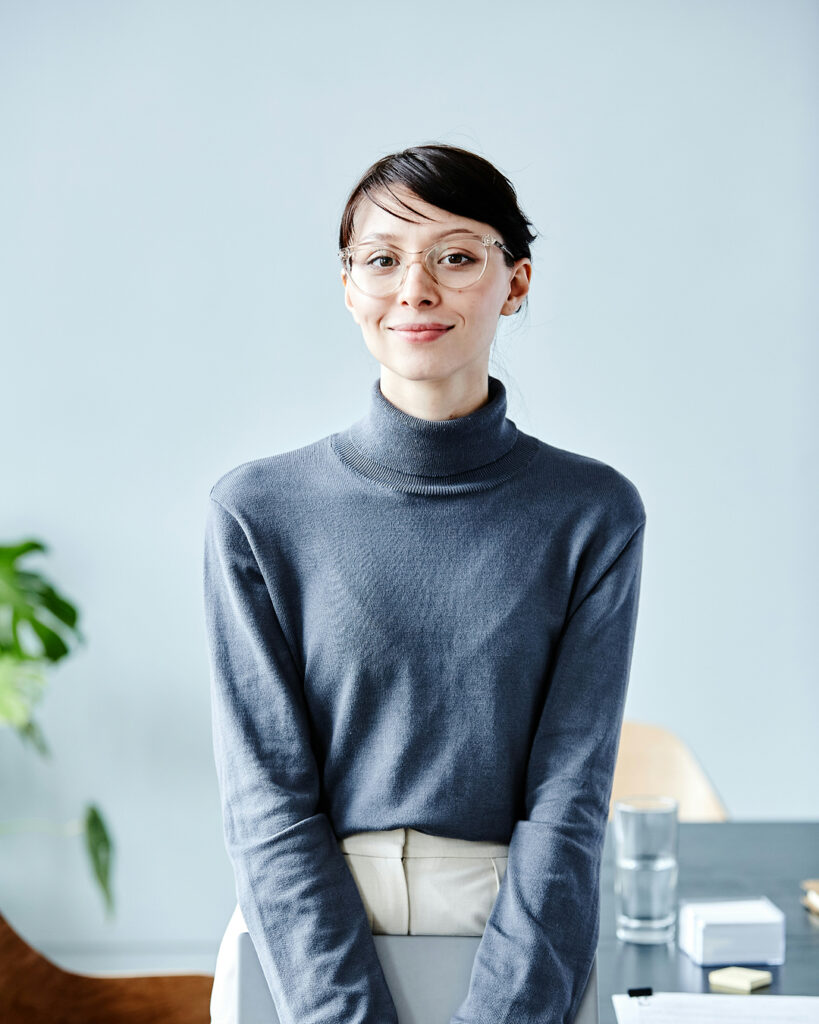
Aisha Khan

Cohorts: 30s-40s

Condition: Fibroids

“I thought heavy periods were just something I had to put up with — but now itʼs affecting every part of my life.”

Snapshot
  • Name: Aisha Khan
  • Age range: 36
  • Life stage: Reproductive years
  • Location: Birmingham, UK
  • Occupation: HR officer in a large retail company
  • Relationship and family context: Married, trying to conceive, lives with partner in rented flat
  • Relevant condition(s): Fibroid (submucosal)
  • Density of condition(s): Common — 2 in 3 women will experience fibroids at some point
  • Key symptoms experienced: Heavy and painful periods, bleeding between periods, abdominal discomfort, lower back pain, fatigue, occasional constipation and urinary urgency
  • Severity and duration: Severe around menstruation; recurring monthly, with persistent low-level discomfort in between
  • Diagnosed or suspected: Suspected by GP; awaiting scan for confirmation
  • Current treatments or management: Iron supplements for heavy bleeding; hot water bottle and OTC pain relief; attempting diet changes (more fruit, veg, whole grains)
  • Comorbidities or related factors: Anaemia from heavy bleeding; stress from fertility concerns
  • Main triggers that worsen symptoms: Period week, high-stress workdays, poor diet, lack of rest
  • Barriers to seeking care: Long GP wait times; perception that fibroids are “just part of womanhood”; nervousness about fertility risks and surgical options
  • Information gaps and misconceptions: Thinks hysterectomy is the only treatment; doesnʼt realise fibroids can shrink after menopause; unsure which lifestyle changes make a difference
  • Emotional drivers and concerns: Anxiety about fertility and ability to conceive; embarrassment about heavy bleeding at work; fear of missing out on family plans
  • Primary health goals: Reduce heavy bleeding and pain; prevent fatigue from anaemia; manage symptoms while preserving fertility
  • Secondary lifestyle goals: Stay consistent at work without sick days; feel confident leaving the house during periods; manage weight and diet to support health
  • What “better” looks like to them: Predictable cycles that donʼt interfere with daily life; a clear diagnosis and management plan that balances symptom relief with fertility goals

Hormones and mental health

If your mood, confidence or ability to cope has changed during perimenopause or menopause, there is very likely a biological reason for […]

When does menopause start?

Menopause does not usually arrive all at once. For most women, it is a gradual transition that begins with hormone changes years […]

Sleep and hormones: why your nights may change in perimenopause and menopause

If your sleep has changed in your 40s or 50s, you are not imagining it. Waking in the night, lying awake for […]

Utrogestan (micronised progesterone) explained

If you have been prescribed Utrogestan, or you are wondering whether it might be right for you, it is very normal to […]

Winton House, Church Street, Stratford Upon Avon CV37 6HB
support@balanceai.com

Download the free Balance app now:

Balance+ AI provides information and guidance to support understanding of your hormone health. It is not a substitute for professional medical advice, diagnosis or treatment. Always consult your doctor or a qualified healthcare professional with any questions you have regarding your health. If you think you may be experiencing a medical emergency, please contact the emergency services or seek immediate medical attention.

© Dr Louise Newson 2026