- Persona
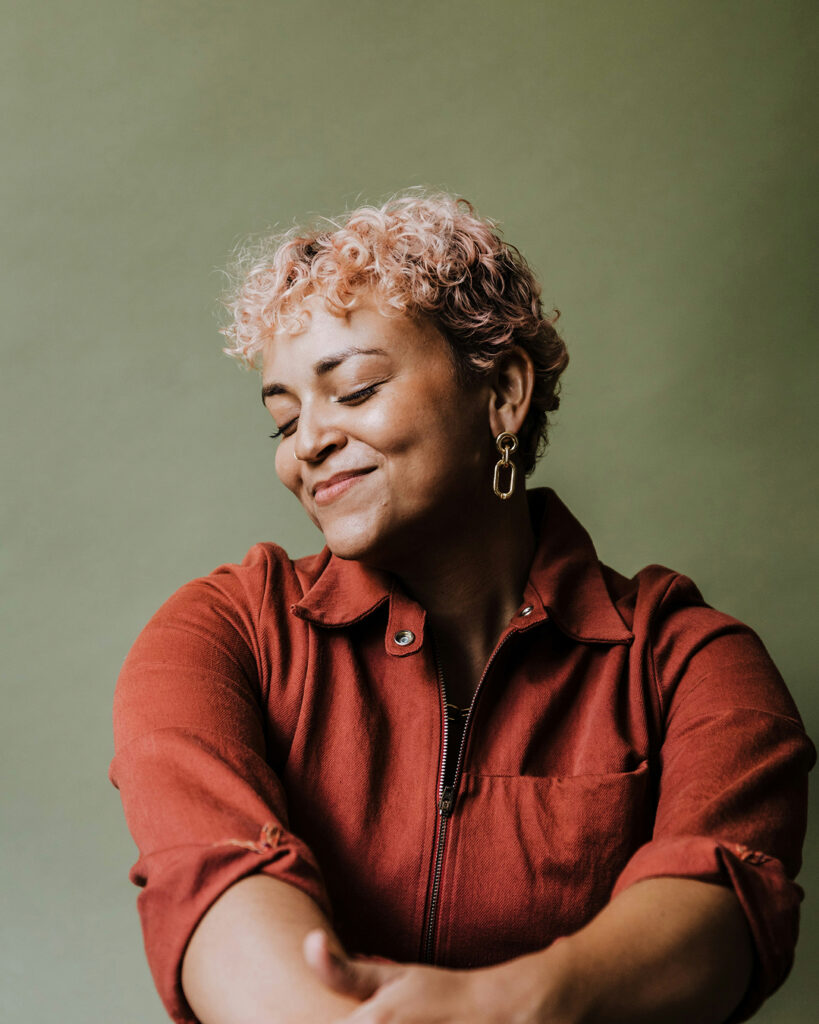
Alina Ranger
Cohorts: 40s-50s
Condition: Perimenopause
“I feel like Iʼm losing control over my body, one week Iʼm fine, the next everything is unpredictable.”
Snapshot
- Name: Alina Ranger
- Age range: 42
- Life stage: Perimenopause (early hormonal transition)
- Location: London, UK
- Occupation: Mid-level professional / part-time working mum
- Relationship and family context: Married, partner works full-time, 1-2 children in secondary school
Health Context
- Relevant condition(s): Perimenopause
- Density of condition(s): Very common but under-recognised
- Key symptoms experienced: Irregular periods, mild hot flushes and night sweats, fatigue, mood swings and irritability, brain fog, weight changes, especially around the mid section
- Severity and duration: Mild to moderate; fluctuating over several years, can be subtle at first
- Diagnosed or suspected: Mostly self-identified; may be undiagnosed by GP
- Current treatments or management: Lifestyle adjustments (exercise, diet, sleep hygiene), occasional over-the-counter supplements – maybe buys into all the meno-supplement crap, monitoring symptoms
- Comorbidities or related factors: Stress from work and family, pre-existing mild anxiety or low mood, sleep disruption
Triggers and barriers
- Main triggers that worsen symptoms: Stress, poor sleep, irregular meals, high caffeine or alcohol, lack of exercise
- Barriers to seeking care: Lack of awareness that perimenopause can start in early 40s, normalisation of symptoms, embarrassment, time constraints
- Information gaps and misconceptions: Belief that menopause only begins at 50+, that mood swings are purely psychological, or that irregular cycles are “just stress”, or lifestyle changes
- Emotional drivers and concerns: Anxiety over loss of control, e.g. over emotional state, identity shifts, fear of long-term health effects, uncertainty about next steps
Goals and needs
- Primary health goals: Predictable cycles, improved sleep, stable mood, mental clarity – having a long term plan
- Secondary lifestyle goals: Maintain professional performance and family balance, feel like herself physically and emotionally
- What “better” looks like to them: Feeling in control, informed, and supported, with practical strategies to manage symptoms
- Relevant Resources
If your mood, confidence or ability to cope has changed during perimenopause or menopause, there is very likely a biological reason for […]
Menopause does not usually arrive all at once. For most women, it is a gradual transition that begins with hormone changes years […]
If your sleep has changed in your 40s or 50s, you are not imagining it. Waking in the night, lying awake for […]
If you have been prescribed Utrogestan, or you are wondering whether it might be right for you, it is very normal to […]
- Explore other personas