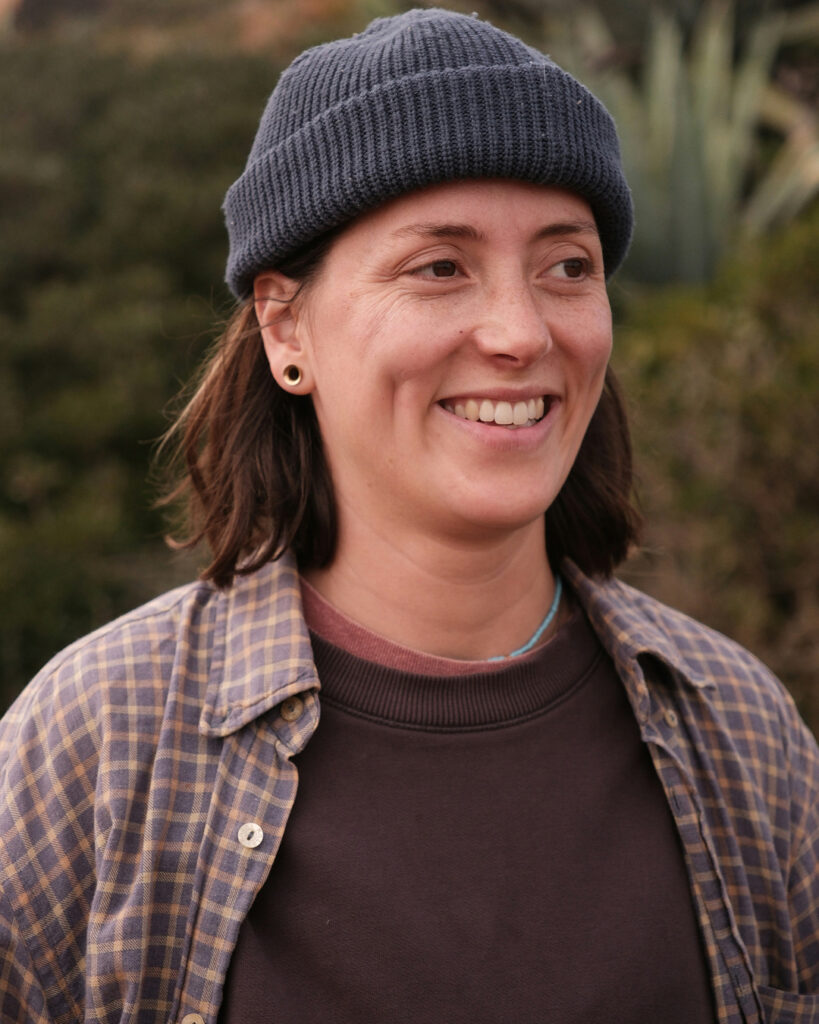
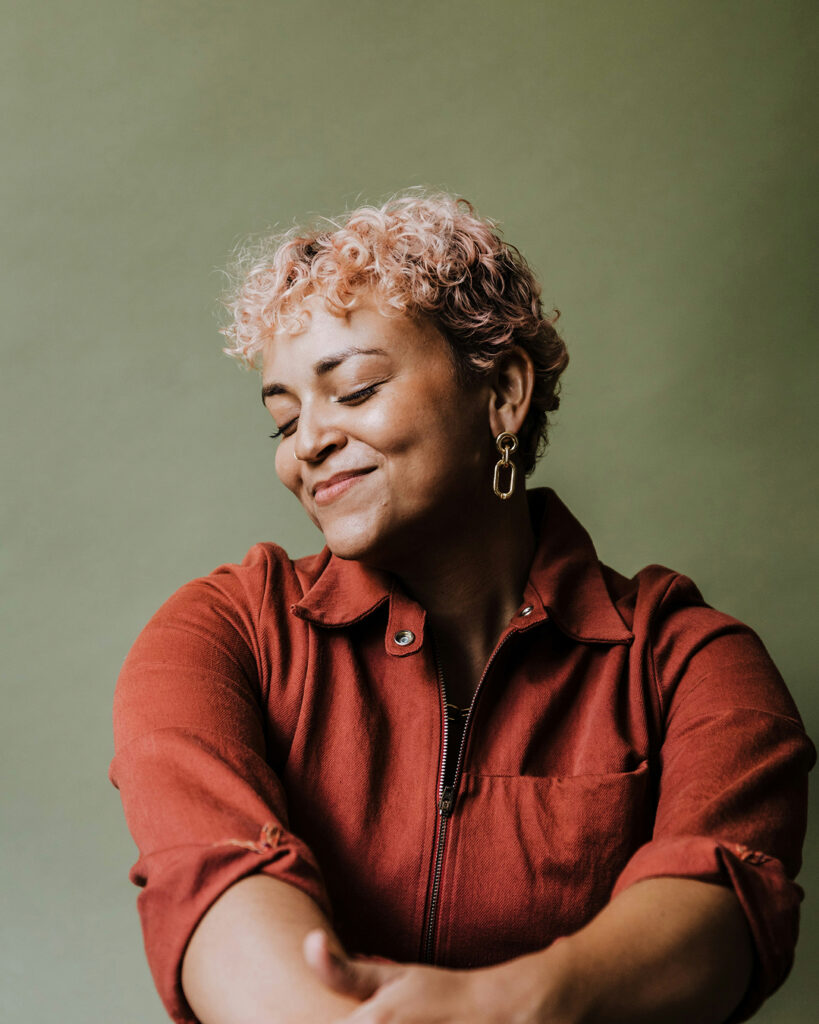
Claire Edwards

Cohorts: 30s-40s

Condition: Premature Ovarian Insufficiency (POI)

“Menopause wasnʼt even on my radar - and suddenly it feels like my future has been rewritten.”

Snapshot
  • Name: Claire Edwards
  • Age range: 38
  • Life stage: POI – very early menopause
  • Location: Manchester UK
  • Occupation: Senior marketing director at a tech firm (career peak, high workload)
  • Relationship and family context: Married, no children yet; assumed she had time to decide but diagnosis has changed outlook
  • Relevant condition(s): Premature Ovarian Insufficiency (POI)
  • Density of condition(s): 3 in 100 women under 40
  • Key symptoms experienced: Hot flushes, night sweats, mood swings, fatigue, brain fog, reduced libido, vaginal dryness; irregular and disappearing periods
  • Severity and duration: Moderate to severe — fluctuating symptoms over past 18 months
  • Diagnosed or suspected: Recently diagnosed; never heard of POI before
  • Current treatments or management: Occasional use of over-the-counter supplements; GP mentioned HRT but she doesnʼt understand difference between synthetic and body-identical hormones
  • Comorbidities or related factors: Stress from high-pressure career; grief around uncertain fertility
  • Main triggers that worsen symptoms: Work stress, alcohol, poor sleep, heat, lack of support from colleagues
  • Barriers to seeking care: Didnʼt know POI existed; stigma around talking about menopause “too early”; overwhelmed by conflicting information online about HRT
  • Information gaps and misconceptions: Thinks menopause only happens “around 50”; doesnʼt know ovarian function can fluctuate; unaware that POI ≠ early menopause; doesnʼt know natural/bioidentical HRT can be safer and more effective than synthetic options
  • Emotional drivers and concerns: Feels robbed of time and choice; fears infertility and ageing too soon; worries about her marriage and career performance
  • Primary health goals: Manage symptoms to maintain energy, clarity, and emotional stability; understand treatment options
  • Secondary lifestyle goals: Protect long-term health (bones, heart, cognition); balance demanding career with unexpected diagnosis; make informed fertility decisions
  • What “better” looks like to them: Feeling in control again; knowing POI is not her fault; a clear treatment and support plan tailored to her life stage

Hormones and mental health

If your mood, confidence or ability to cope has changed during perimenopause or menopause, there is very likely a biological reason for […]

When does menopause start?

Menopause does not usually arrive all at once. For most women, it is a gradual transition that begins with hormone changes years […]

Sleep and hormones: why your nights may change in perimenopause and menopause

If your sleep has changed in your 40s or 50s, you are not imagining it. Waking in the night, lying awake for […]

Utrogestan (micronised progesterone) explained

If you have been prescribed Utrogestan, or you are wondering whether it might be right for you, it is very normal to […]

Winton House, Church Street, Stratford Upon Avon CV37 6HB
support@balanceai.com

Download the free Balance app now:

Balance+ AI provides information and guidance to support understanding of your hormone health. It is not a substitute for professional medical advice, diagnosis or treatment. Always consult your doctor or a qualified healthcare professional with any questions you have regarding your health. If you think you may be experiencing a medical emergency, please contact the emergency services or seek immediate medical attention.

© Dr Louise Newson 2026