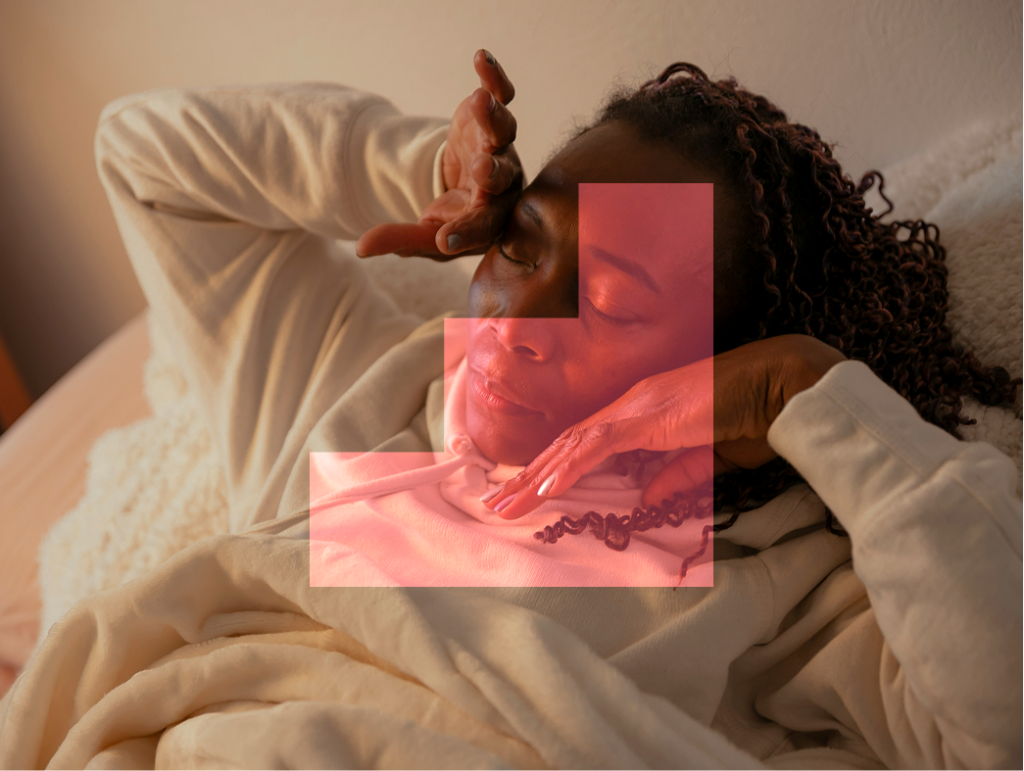
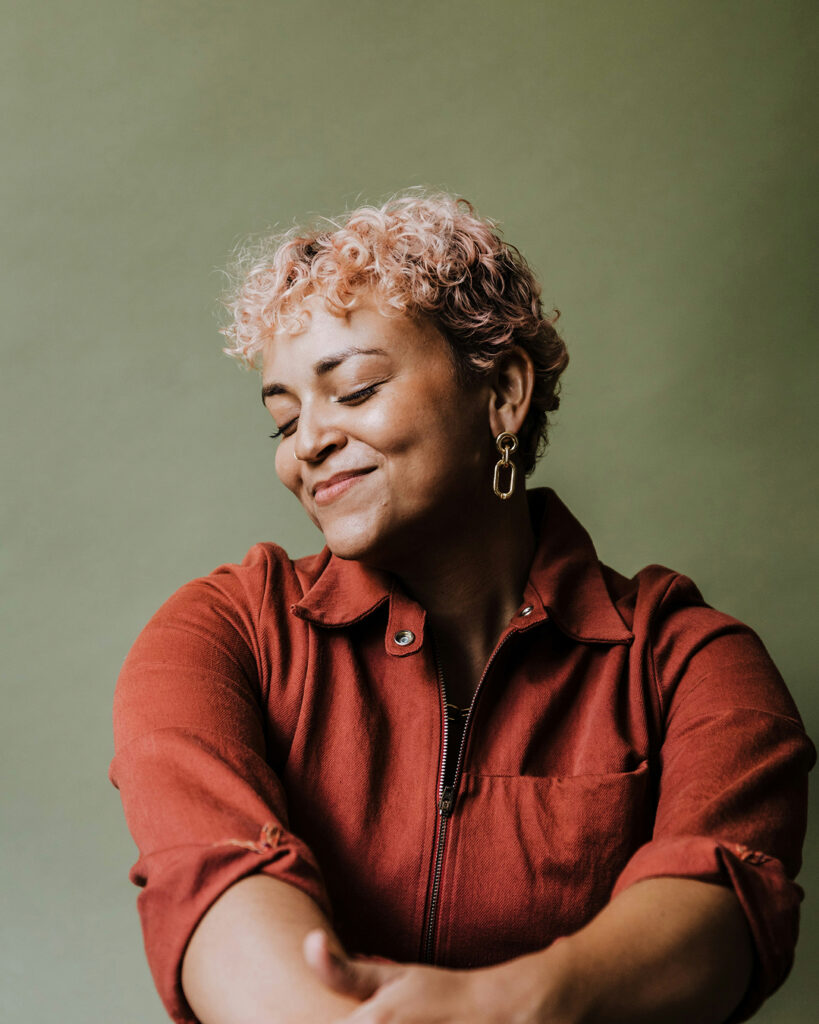
Flora Thompson

Cohorts: 30s-50s

Condition: Surgical Menopause

“I had no idea of the repercussions this would have…a simple enough procedure has altered my very being”

Snapshot
  • Name: Flora Thompson
  • Age range: 38
  • Life stage: Surgical menopause
  • Location: UK Suburban – just outside of Leeds
  • Occupation: Professional caregiver
  • Relationship and family context: Supportive husband, no children (wanted them though)
  • Relevant condition(s): Surgical menopause (bilateral oophorectomy ± hysterectomy)
  • Density of condition(s): Less common but high-impactn
  • Key symptoms experienced: Sudden brain fog, severe anxiety or low mood, insomnia, hot flushes, joint pain, loss of libido, vaginal dryness, fatigue
  • Severity and duration: Severe and immediate; onset days to weeks post-surgery
  • Diagnosed or suspected: Diagnosed (procedure-led menopause)
  • Current treatments or management: Often none initially; may be on inadequate HRT or awaiting specialist care
  • Comorbidities or related factors: Surgical recovery, trauma, endometriosis, cancer treatment, fertility loss
  • Main triggers that worsen symptoms: Sudden hormone withdrawal, poor sleep, stress, lack of testosterone replacement
  • Barriers to seeking care: Lack of post-operative hormone counselling, GP unfamiliarity, fear around HRT safety
  • Information gaps and misconceptions: Belief that symptoms are “normal after surgery”; lack of awareness of long-term health risks
  • Emotional drivers and concerns: Shock, grief, anger, fear of permanent damage, loss of identity, confusion
  • Primary health goals: Stabilise mood, restore cognitive function, improve sleep and quality of life
  • Secondary lifestyle goals: Return to work; feel emotionally regulated and confident
  • What “better” looks like to them: Feeling mentally clear, physically stable, and supported, and not dismissed

Hormones and mental health

If your mood, confidence or ability to cope has changed during perimenopause or menopause, there is very likely a biological reason for […]

When does menopause start?

Menopause does not usually arrive all at once. For most women, it is a gradual transition that begins with hormone changes years […]

Sleep and hormones: why your nights may change in perimenopause and menopause

If your sleep has changed in your 40s or 50s, you are not imagining it. Waking in the night, lying awake for […]

Utrogestan (micronised progesterone) explained

If you have been prescribed Utrogestan, or you are wondering whether it might be right for you, it is very normal to […]

Winton House, Church Street, Stratford Upon Avon CV37 6HB
support@balanceai.com

Download the free Balance app now:

Balance+ AI provides information and guidance to support understanding of your hormone health. It is not a substitute for professional medical advice, diagnosis or treatment. Always consult your doctor or a qualified healthcare professional with any questions you have regarding your health. If you think you may be experiencing a medical emergency, please contact the emergency services or seek immediate medical attention.

© Dr Louise Newson 2026