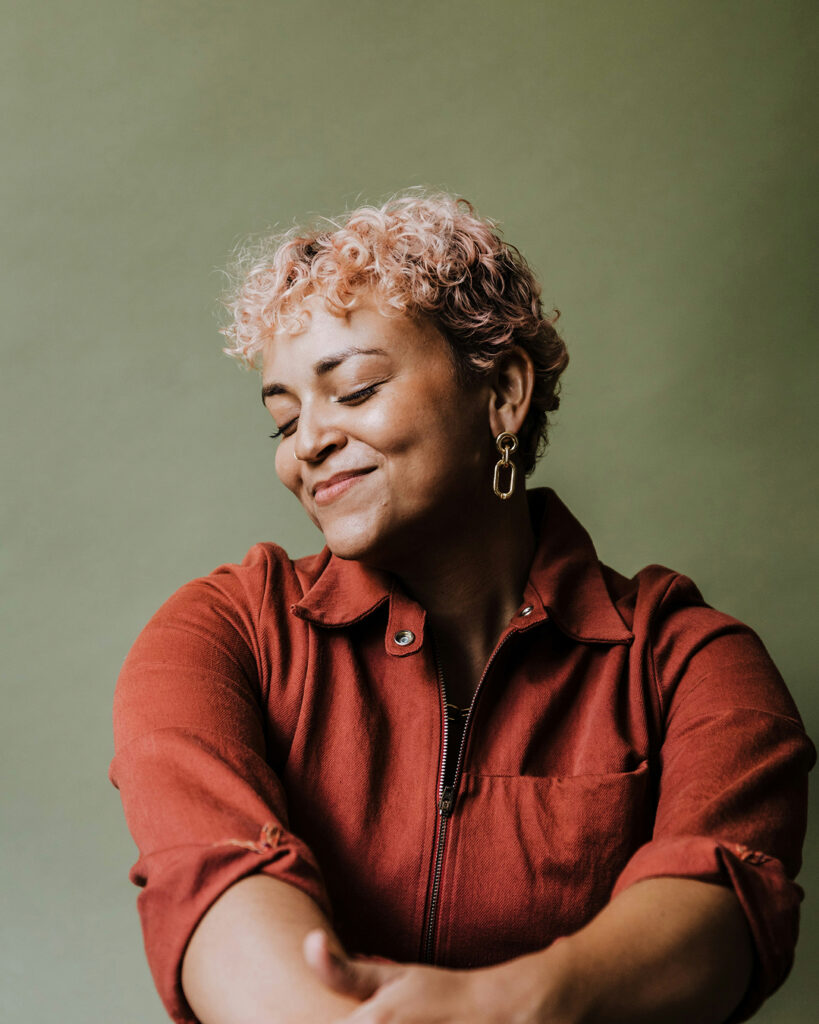
Grace Riddle

Cohorts: 30s-40s

Condition: Addison's Disease

“Most people just presume I'm tired, but why does it take me so much effort just to get through the day?”

Snapshot
  • Name: Grace Riddle
  • Age range: 37
  • Life stage: Mid-career professional managing a chronic condition while balancing work, marriage and home life.
  • Location: Surrey, UK
  • Occupation: Primary school teacher
  • Relationship and family context: Married, no children yet but considering starting a Husband is supportive but struggles to fully understand the daily impact of her illness
  • Relevant condition(s): Addison’s Disease
  • Density of condition(s): Rare and chronic
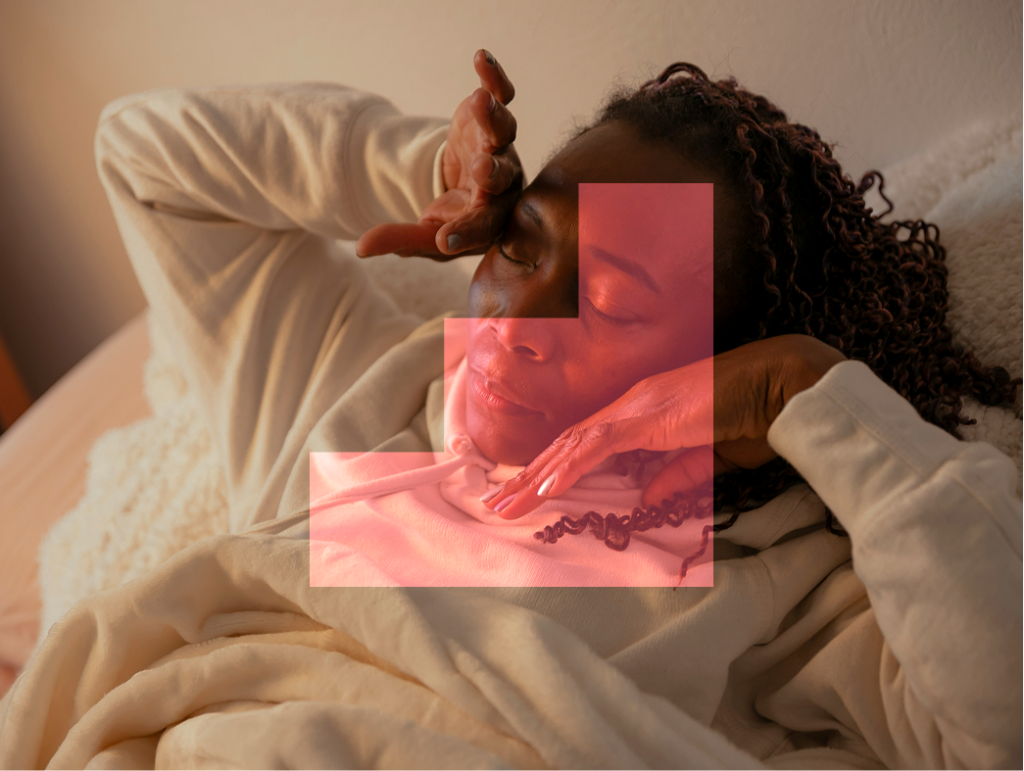
  • Key symptoms experienced: Extreme fatigue, low blood pressure, salt cravings, gastrointestinal discomfort, dizziness, hyperpigmentation (especially on elbows and knuckles), mood dips during adrenal crashes.
  • Severity and duration: Moderate to Diagnosed 5 years ago after several years of unexplained symptoms
  • Diagnosed or suspected: Diagnosed by endocrinologist following adrenal crisis
  • Current treatments or management: Steroids daily, increased salt, carries emergency steroid injection
  • Comorbidities or related factors: Anxieties related to illness, sleep problems from flare ups
  • Main triggers that worsen symptoms: Stress, illness, dehydration, poor sleep, underrating
  • Barriers to seeking care: limited awareness of Addison’s among GPs, long waiting times for endocrinology appointments
  • Information gaps and misconceptions: Colleagues assuming it is just stress and burnout related tiredness. Misunderstanding of steroid treatment and stigma around medication
  • Emotional drivers and concerns: Fear of adrenal crisis, frustration around misunderstanding of ‘invisible illness’, desire to feel ‘normal’ and energised
  • Primary health goals: Maintain stable energy levels and avoid adrenal crisis
  • Secondary lifestyle goals: Maintain successful teaching career, stay active, prepare body for potential pregnancy.
  • What “better” looks like to them: Feeling consistently energised, ability to enjoy evenings and weekends instead of resting up and recovering from work

Hormones and mental health

If your mood, confidence or ability to cope has changed during perimenopause or menopause, there is very likely a biological reason for […]

When does menopause start?

Menopause does not usually arrive all at once. For most women, it is a gradual transition that begins with hormone changes years […]

Sleep and hormones: why your nights may change in perimenopause and menopause

If your sleep has changed in your 40s or 50s, you are not imagining it. Waking in the night, lying awake for […]

Utrogestan (micronised progesterone) explained

If you have been prescribed Utrogestan, or you are wondering whether it might be right for you, it is very normal to […]

Winton House, Church Street, Stratford Upon Avon CV37 6HB
support@balanceai.com

Download the free Balance app now:

Balance+ AI provides information and guidance to support understanding of your hormone health. It is not a substitute for professional medical advice, diagnosis or treatment. Always consult your doctor or a qualified healthcare professional with any questions you have regarding your health. If you think you may be experiencing a medical emergency, please contact the emergency services or seek immediate medical attention.

© Dr Louise Newson 2026