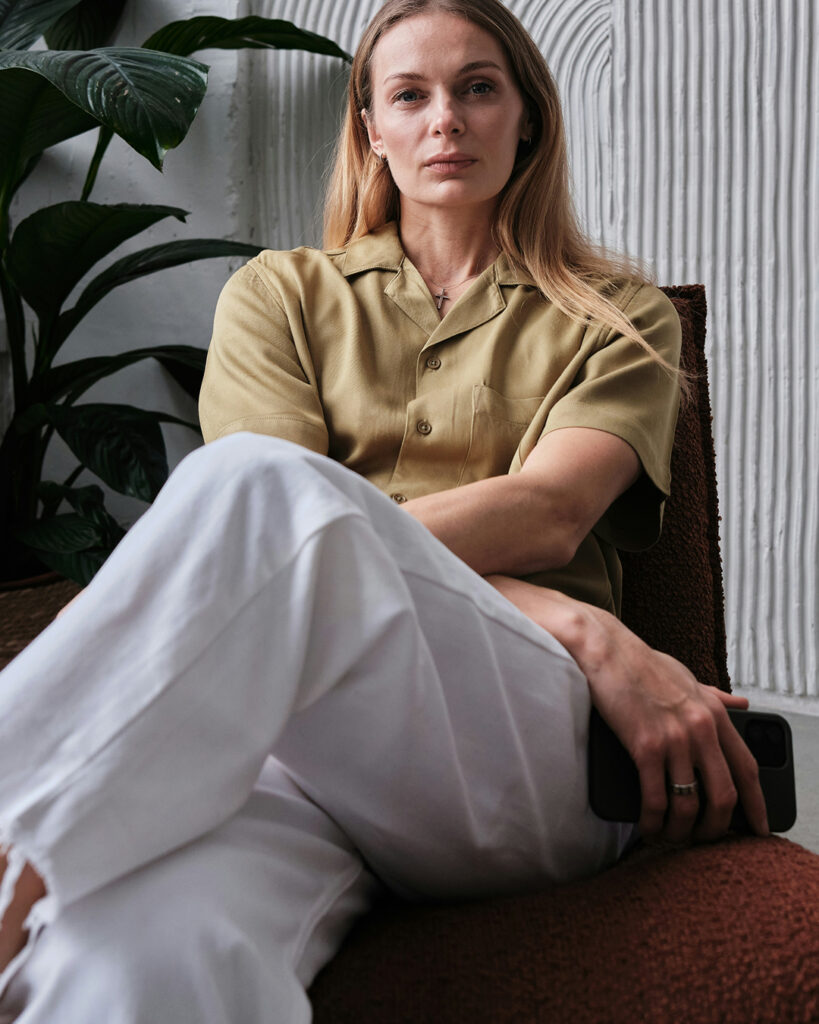
Helen Mathews

Cohorts: 40s-50s

Condition: Perimenopausal mood disorders

“Iʼve been given antidepressants, but I don't think it's treating the cause of the problem, I'm sure Iʼm menopausal.”

Snapshot
  • Name: Helen Matthews
  • Age range: 50
  • Life stage: Perimenopausal, transitioning toward menopause, experiencing fluctuating hormones and mood changes
  • Location: Commuter belt outside London (e.g. St Albans or Guildford)
  • Occupation: Senior operations manager at a large retail brand, long hours, high pressure, hybrid working
  • Relationship and family context: Married with two teenage children (15 and 17); often snappy or withdrawn at home due to exhaustion and irritability; feels distant from her husband and guilty about it
  • Relevant condition(s): Perimenopausal mood disorder due to fluctuating hormone levels (oestrogen, progesterone, and testosterone)
  • Density of condition(s): Common — mood change affects ~95% of women in perimenopause (Newson Health data)
  • Key symptoms experienced: Anxiety, irritability, tearfulness, emotional overwhelm, poor sleep, appetite changes (comfort eating), low confidence, indecision, poor concentration, occasional palpitations
  • Severity and duration: Moderate to severe; ongoing for 15 months, worsening over the past four months
  • Diagnosed or suspected: Diagnosed with “clinical depression” by GP and prescribed antidepressants, but suspects hormonal imbalance instead
  • Current treatments or management: Low-dose antidepressant, caffeine reliance, glass of wine in evenings, minimal exercise, doesn’t spend time in nature, hasnʼt yet accessed bioidentical HRT
  • Comorbidities or related factors: Sedentary lifestyle, chronic stress, marital tension, lack of self-esteem, time constraints due to commuting
  • Main triggers that worsen symptoms: Sleep deprivation, alcohol, high-pressure work environment, lack of daylight exposure, limited downtime
  • Barriers to seeking care: Worried it is “just midlife stress”; GP dismissive or reluctant to prescribe HRT; misinformation online; doesnʼt know difference between synthetic and body-identical hormones
  • Information gaps and misconceptions: Thinks HRT is risky or outdated; unaware testosterone can play a role in mood and energy; conflates perimenopausal anxiety with depression
  • Emotional drivers and concerns: Feels trapped, misunderstood, and disconnected from her former self; fears sheʼs becoming “difficult” or “unlikeable”; guilt over being short-tempered with family
  • Primary health goals: Feel emotionally stable again, regain energy and focus, find a treatment that works beyond antidepressants
  • Secondary lifestyle goals: Reconnect with husband and teenage kids, improve confidence at work, sleep better, and enjoy small pleasures again
  • What “better” looks like to them: Feeling calm, competent, and optimistic; laughing easily; managing stress without emotional crashes; a balanced home life

Hormones and mental health

If your mood, confidence or ability to cope has changed during perimenopause or menopause, there is very likely a biological reason for […]

When does menopause start?

Menopause does not usually arrive all at once. For most women, it is a gradual transition that begins with hormone changes years […]

Sleep and hormones: why your nights may change in perimenopause and menopause

If your sleep has changed in your 40s or 50s, you are not imagining it. Waking in the night, lying awake for […]

Utrogestan (micronised progesterone) explained

If you have been prescribed Utrogestan, or you are wondering whether it might be right for you, it is very normal to […]

Winton House, Church Street, Stratford Upon Avon CV37 6HB
support@balanceai.com

Download the free Balance app now:

Balance+ AI provides information and guidance to support understanding of your hormone health. It is not a substitute for professional medical advice, diagnosis or treatment. Always consult your doctor or a qualified healthcare professional with any questions you have regarding your health. If you think you may be experiencing a medical emergency, please contact the emergency services or seek immediate medical attention.

© Dr Louise Newson 2026