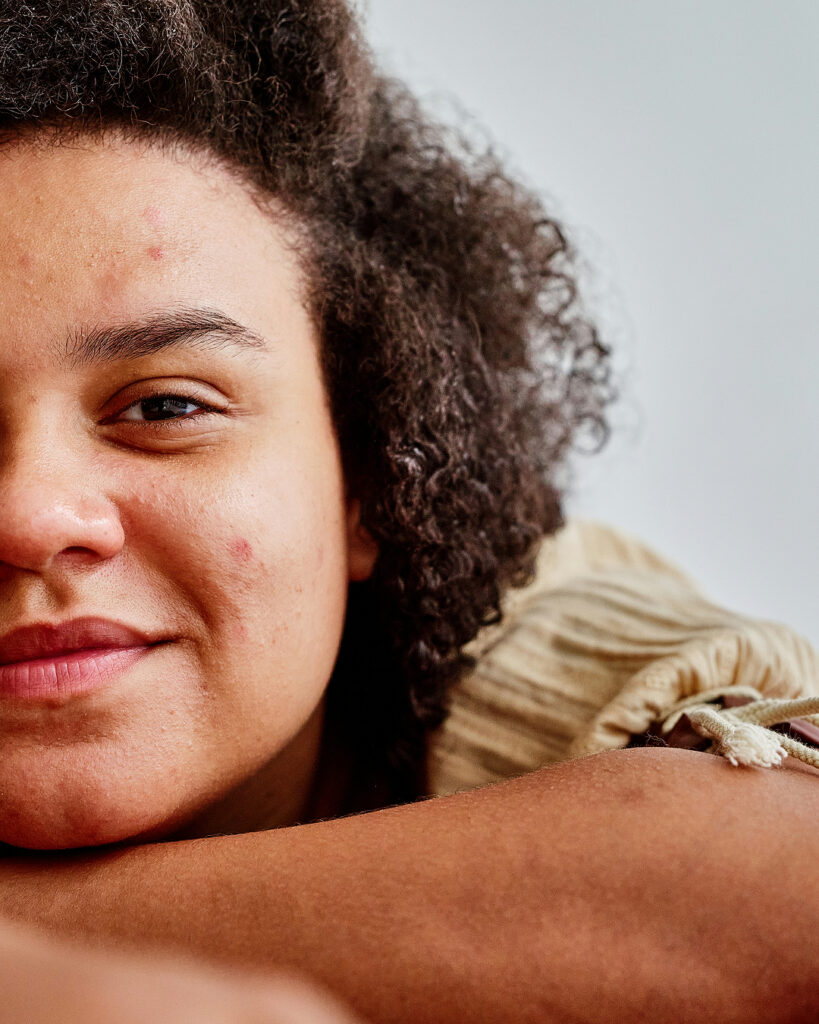
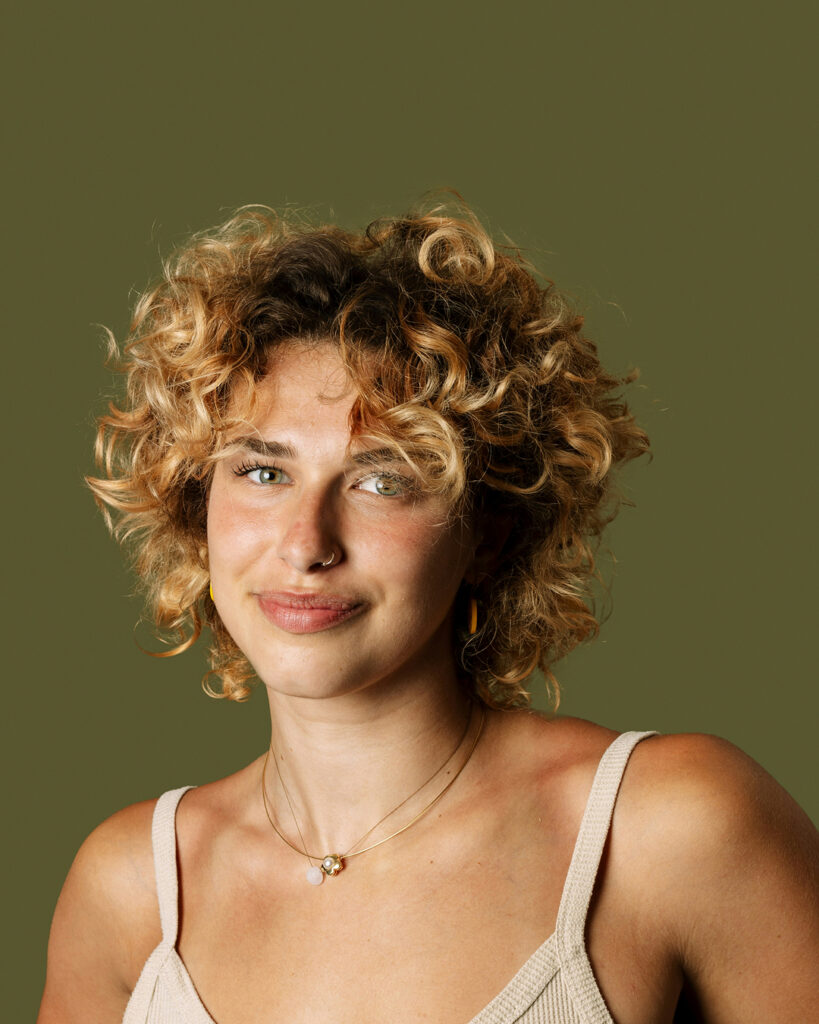
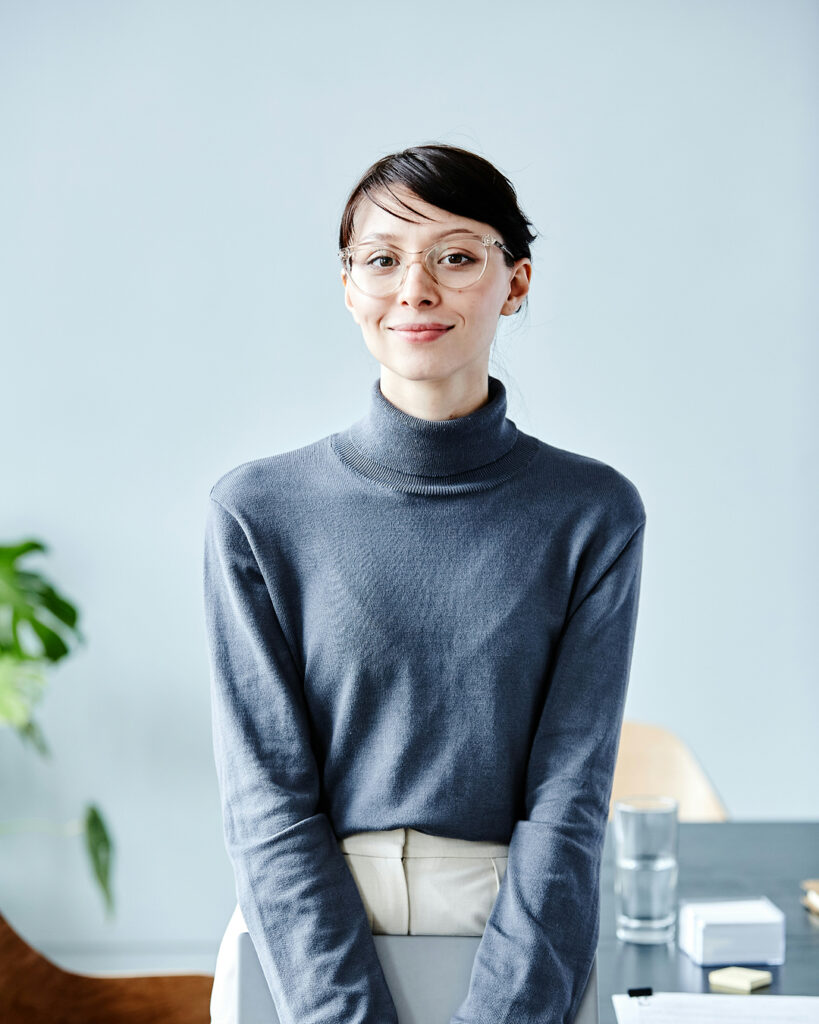
Isla McKenzie

Cohorts: Teens-20s (rare)

Condition: Non-classic Congenital Adrenal Hyperplasia (CAH)

“Everyone thinks itʼs just bad skin or a bit of hair - they donʼt know how much it messes with your confidence.”

Snapshot
  • Name: Isla Mckenzie
  • Age range: 17
  • Life stage: Late adolescnese
  • Location: Glasgow, Scotland
  • Occupation: Secondary school student (S6), part-time café job
  • Relationship and family context: Lives with parents and younger brother; close with mum but finds it hard to talk about health issues; friends donʼt know much about her condition
  • Relevant condition(s): Non-Classic Congenital Adrenal Hyperplasia (CAH)
  • Density of condition(s): Really rare
  • Key symptoms experienced: Excess facial and body hair (hirsutism), acne, irregular periods, oily skin, occasional mood swings, low self-esteem
  • Severity and duration: Chronic condition since childhood; symptoms worsened during puberty
  • Diagnosed or suspected: Diagnosed age 14 after irregular periods and excess hair prompted tests; under paediatric endocrinologist care
  • Current treatments or management: On low-dose steroid to suppress excess androgens; uses topical acne treatments; avoids heavy makeup to prevent breakouts
  • Comorbidities or related factors: Social anxiety, self-consciousness, mild depression linked to body image issues, commonly mistaken for PCOS
  • Main triggers that worsen symptoms: Stress (school exams), poor sleep, inconsistent medication, self-comparison on social media
  • Barriers to seeking care: Embarrassment discussing her excess hair and periods; thinks doctors donʼt understand teenage girlsʼ confidence issues; tired of being mistaken for having PCOS
  • Information gaps and misconceptions: Believes sheʼs “just unlucky” with hormones; doesnʼt realise that better androgen control could improve symptoms; doesnʼt connect hormone balance with mental health
  • Emotional drivers and concerns: Feels “different” from her peers; constantly trying to hide acne and body hair; wishes for normality and confidence
  • Primary health goals: Reduce visible symptoms (acne, hair growth); feel more in control of her hormones; understand her condition better
  • Secondary lifestyle goals: Build confidence, participate in sports without embarrassment, form a positive body image
  • What “better” looks like to them: Feeling normal and confident enough to wear what she wants without worrying; understanding that her condition doesnʼt define her

Hormones and mental health

If your mood, confidence or ability to cope has changed during perimenopause or menopause, there is very likely a biological reason for […]

When does menopause start?

Menopause does not usually arrive all at once. For most women, it is a gradual transition that begins with hormone changes years […]

Sleep and hormones: why your nights may change in perimenopause and menopause

If your sleep has changed in your 40s or 50s, you are not imagining it. Waking in the night, lying awake for […]

Utrogestan (micronised progesterone) explained

If you have been prescribed Utrogestan, or you are wondering whether it might be right for you, it is very normal to […]

Winton House, Church Street, Stratford Upon Avon CV37 6HB
support@balanceai.com

Download the free Balance app now:

Balance+ AI provides information and guidance to support understanding of your hormone health. It is not a substitute for professional medical advice, diagnosis or treatment. Always consult your doctor or a qualified healthcare professional with any questions you have regarding your health. If you think you may be experiencing a medical emergency, please contact the emergency services or seek immediate medical attention.

© Dr Louise Newson 2026