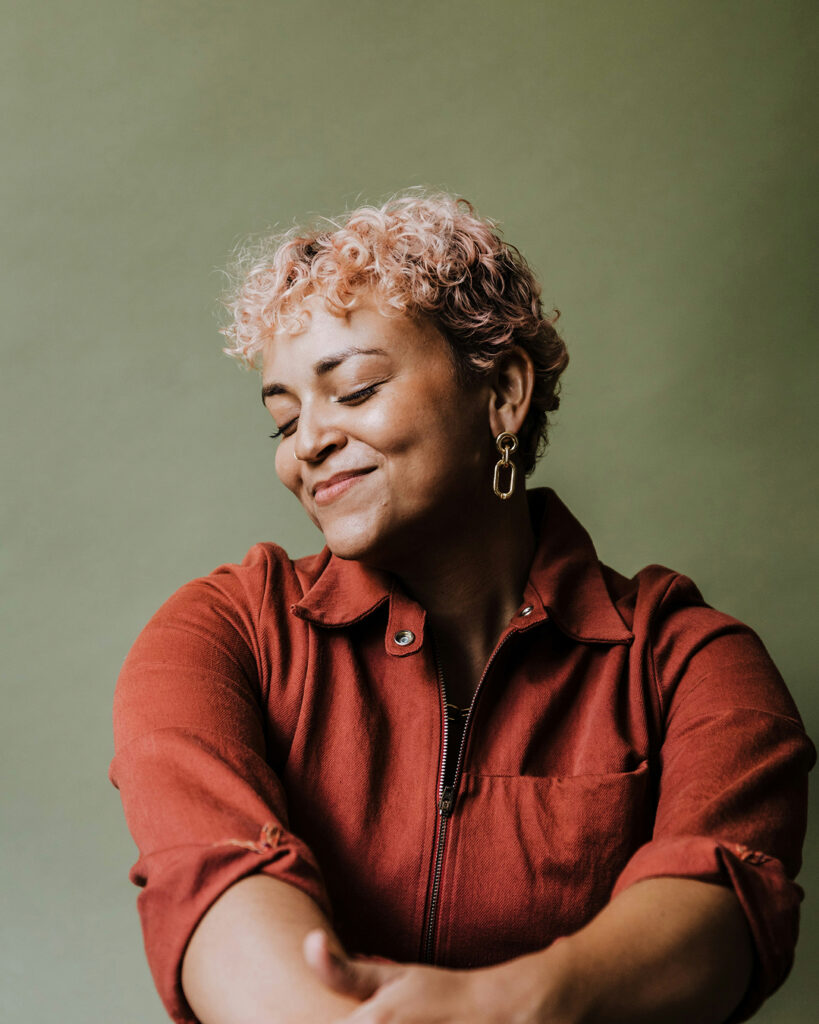
Jen Sulola

Cohorts: 20s-40s

Condition: Hyperthyroidism

“I never thought my irregular periods could affect my fertility.”

Snapshot
  • Name: Jen Sulola
  • Age range: 27
  • Life stage: Reproductive years
  • Location: London
  • Occupation: Graphic designer at a creative agency
  • Relationship and family context: In a long-term relationship; not actively trying to conceive yet, but starting to think about it after cycle irregularities
  • Relevant condition(s): Hyperprolactinaemia (raised prolactin levels suppressing ovarian hormones)
  • Density of condition(s): Uncommon
  • Key symptoms experienced: Irregular or absent periods, occasional milky nipple discharge (galactorrhoea), mild headaches, low libido, and recent anxiety about fertility
  • Severity and duration: Mild to moderate, 9 months of cycle irregularity; initially dismissed as “stress-related”
  • Diagnosed or suspected: GP has ordered blood tests after repeated cycle changes; possible link to mild hyperprolactinaemia suspected
  • Current treatments or management: Not yet started as awaiting results – takes low-dose antipsychotic medication for anxiety (which may be contributing factor) and uses tracking apps to monitor ovulation but unhelpful due to erratic data
  • Comorbidities or related factors: Mild anxiety, on stable mental health medication; recent weight fluctuations and disrupted sleep
  • Main triggers that worsen symptoms: Stress, disrupted sleep, certain medications (especially dopamine-blocking drugs like antipsychotics), and hormonal imbalance
  • Barriers to seeking care: Embarrassment about discussing nipple discharge and medication side effects; unsure whether to talk to GP or gynaecologist; confusion over whether itʼs “real fertility issue” or “just stress”
  • Information gaps and misconceptions: Doesnʼt know what prolactin is or that it can suppress oestrogen and progesterone; unaware of how medication can affect hormone feedback; thinks fertility is only a concern “later in life”, and not been worried about it at all previously
  • Emotional drivers and concerns: Growing fear about long-term fertility; guilt or confusion about taking mental health meds; frustration with being told “youʼre too young to worry about hormones”
  • Primary health goals: Understand whatʼs happening to her body and whether fertility is at risk; find hormonal balance without compromising mental health stability
  • Secondary lifestyle goals: Maintain emotional well-being; improve cycle regularity and energy; feel empowered to advocate for herself with doctors
  • What “better” looks like to them: Regular cycles again, confidence in her fertility timeline, and a plan that supports both her hormones and mental health

Hormones and mental health

If your mood, confidence or ability to cope has changed during perimenopause or menopause, there is very likely a biological reason for […]

When does menopause start?

Menopause does not usually arrive all at once. For most women, it is a gradual transition that begins with hormone changes years […]

Sleep and hormones: why your nights may change in perimenopause and menopause

If your sleep has changed in your 40s or 50s, you are not imagining it. Waking in the night, lying awake for […]

Utrogestan (micronised progesterone) explained

If you have been prescribed Utrogestan, or you are wondering whether it might be right for you, it is very normal to […]

Winton House, Church Street, Stratford Upon Avon CV37 6HB
support@balanceai.com

Download the free Balance app now:

Balance+ AI provides information and guidance to support understanding of your hormone health. It is not a substitute for professional medical advice, diagnosis or treatment. Always consult your doctor or a qualified healthcare professional with any questions you have regarding your health. If you think you may be experiencing a medical emergency, please contact the emergency services or seek immediate medical attention.

© Dr Louise Newson 2026