- Persona
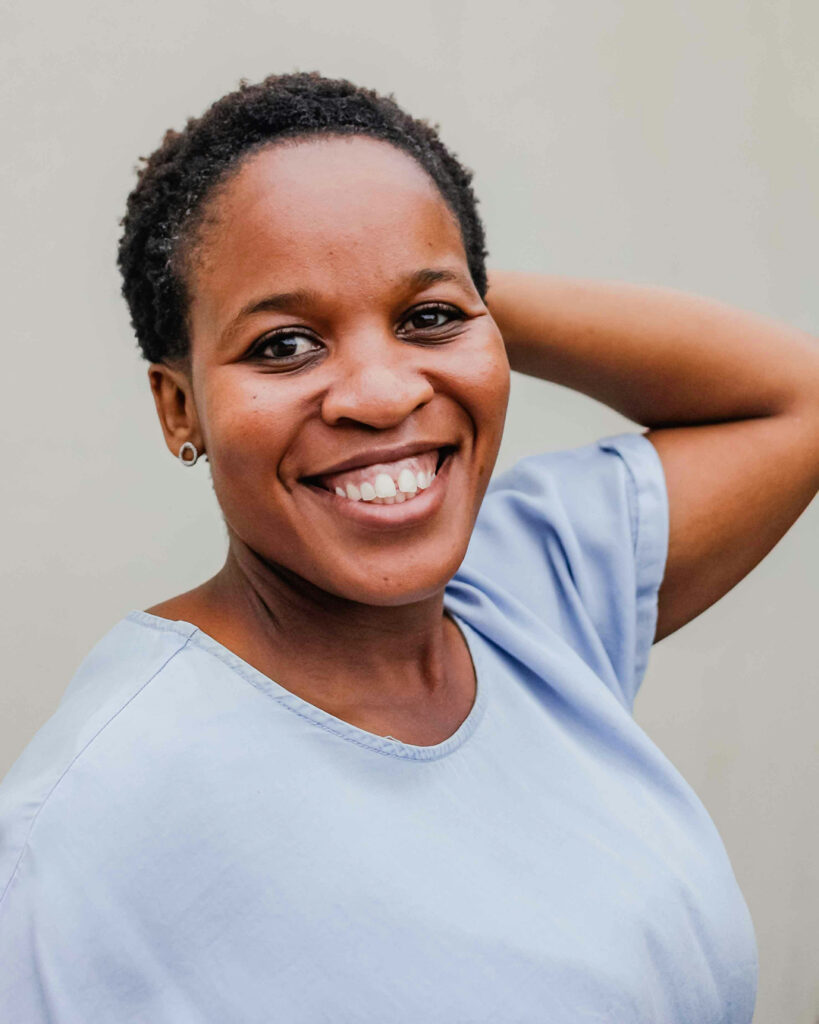
Jess Lawson
Cohorts: 30s-40s (rare)
Condition: Acromegaly (pituitary tumour)
“Bigger hands, bigger feet, skipped periods… I had no idea they were all connected.”
Snapshot
- Name: Jess Lawson
- Age range: 34
- Life stage: Early perimenopause / hormonal disruption in her 30s
- Location: Cardiff, Wales (urban outskirts, moderate access to NHS specialists)
- Occupation: Freelance photographer and editor — flexible schedule but relies on precision work and client deadlines
- Relationship and family context: Married, one child (6 years old); thinking about future fertility but cycle disruption makes timing unpredictable
Health Context
- Relevant condition(s): Acromegaly (pituitary adenoma → excess growth hormone)
- Density of condition(s): Rare
- Key symptoms experienced: Enlarged hands and feet, coarse facial features, headaches, cycle disruption, fatigue, joint pain
- Severity and duration: Moderate — symptoms have been gradually worsening over 2-3 years; cycle irregularities began around 33
- Diagnosed or suspected: Suspected after GP noticed hand/foot changes and ordered IGF-1 blood test; MRI confirmed pituitary tumour
- Current treatments or management: Monitoring via endocrinologist; surgical option discussed but she is delaying while exploring medication (somatostatin analogues)
- Comorbidities or related factors: Mild sleep apnea, joint stiffness, occasional mood swings; anxiety about fertility and long-term health
Triggers and barriers
- Main triggers that worsen symptoms: Stress, irregular sleep, missed medication, lack of exercise
- Barriers to seeking care: Rare condition → limited specialist access; symptoms are subtle and gradual, so hard to prioritise care; fear of surgery
- Information gaps and misconceptions: Didnʼt know growth hormone could disrupt menstrual cycles; unaware of long-term fertility impacts; confused by conflicting online info about treatments
- Emotional drivers and concerns: Anxiety about fertility and family planning; feeling self-conscious about physical changes; frustration with slow diagnosis and lack of awareness
Goals and needs
- Primary health goals: Regulate menstrual cycles, reduce hormone-related fatigue, and protect fertility
- Secondary lifestyle goals: Maintain energy and focus for freelance work; reduce visible physical changes that cause self-consciousness; feel in control of healthcare decisions
- What “better” looks like to them: Predictable cycles, clearer understanding of hormone treatment options, reassurance around fertility, fewer physical symptoms impacting daily life
- Relevant Resources
If your mood, confidence or ability to cope has changed during perimenopause or menopause, there is very likely a biological reason for […]
Menopause does not usually arrive all at once. For most women, it is a gradual transition that begins with hormone changes years […]
If your sleep has changed in your 40s or 50s, you are not imagining it. Waking in the night, lying awake for […]
If you have been prescribed Utrogestan, or you are wondering whether it might be right for you, it is very normal to […]
- Explore other personas