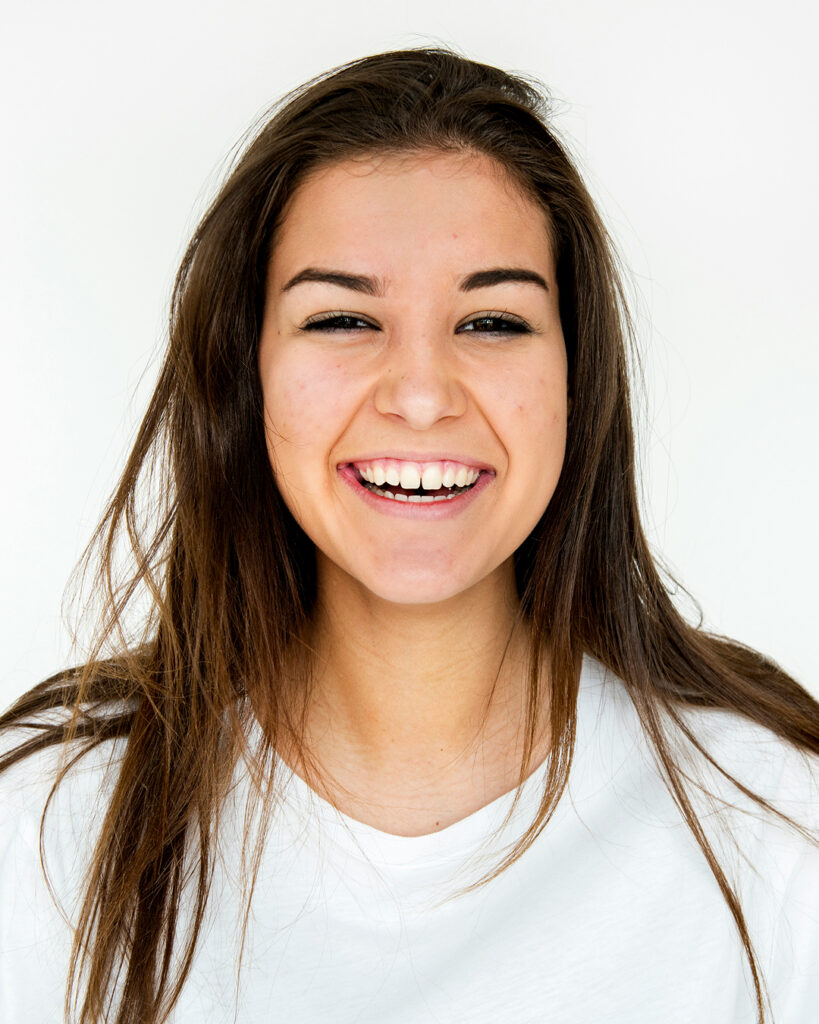
Katie Andrews

Cohorts: Teen-20s

Condition: Idiopathic Hirsutism

“I just want to feel normal and confident without constantly worrying about facial hair.”

Snapshot
  • Name: Katie Andrews
  • Age range: 18
  • Life stage: Late adolescence / early adulthood, finishing school
  • Location: Leamington Spa
  • Occupation: Sixth form student
  • Relationship and family context: Lives with mum at home, no siblings, single
  • Relevant condition(s): Idiopathic hirsutism
  • Density of condition(s): Uncommon
  • Key symptoms experienced: Excessive hair growth in androgen-dependent areas (face, chest, back), mild irregular periods in some cases
  • Severity and duration: Mild to moderate; chronic, lifelong but often stabilizes after adolescence
  • Diagnosed or suspected: Diagnosed after ruling out PCOS and other hormonal disorders
  • Current treatments or management: Physical hair removal (shaving, waxing, threading), topical eflornithine, oral anti-androgen therapy in some cases
  • Comorbidities or related factors: Possible hormonal sensitivity, cosmetic concerns, anxiety or low self-esteem
  • Main triggers that worsen symptoms: Hormonal changes (puberty, stress, menstrual cycle), family history
  • Barriers to seeking care: Embarrassment, fear of judgement, lack of awareness about treatment options
  • Information gaps and misconceptions: Misunderstanding of hormonal involvement, belief that hirsutism is always linked to PCOS, myths about treatments causing infertility
  • Emotional drivers and concerns: Desire for normalcy, confidence, peer acceptance, social anxiety
  • Primary health goals: Reduce visible hair growth, feel confident in social settings
  • Secondary lifestyle goals: Minimise effort and discomfort of hair removal, manage any hormonal fluctuations
  • What “better” looks like to them: Smooth skin, normalised appearance compared with peers, reassurance that condition is medically managed

Hormones and mental health

If your mood, confidence or ability to cope has changed during perimenopause or menopause, there is very likely a biological reason for […]

When does menopause start?

Menopause does not usually arrive all at once. For most women, it is a gradual transition that begins with hormone changes years […]

Sleep and hormones: why your nights may change in perimenopause and menopause

If your sleep has changed in your 40s or 50s, you are not imagining it. Waking in the night, lying awake for […]

Utrogestan (micronised progesterone) explained

If you have been prescribed Utrogestan, or you are wondering whether it might be right for you, it is very normal to […]

Winton House, Church Street, Stratford Upon Avon CV37 6HB
support@balanceai.com

Download the free Balance app now:

Balance+ AI provides information and guidance to support understanding of your hormone health. It is not a substitute for professional medical advice, diagnosis or treatment. Always consult your doctor or a qualified healthcare professional with any questions you have regarding your health. If you think you may be experiencing a medical emergency, please contact the emergency services or seek immediate medical attention.

© Dr Louise Newson 2026