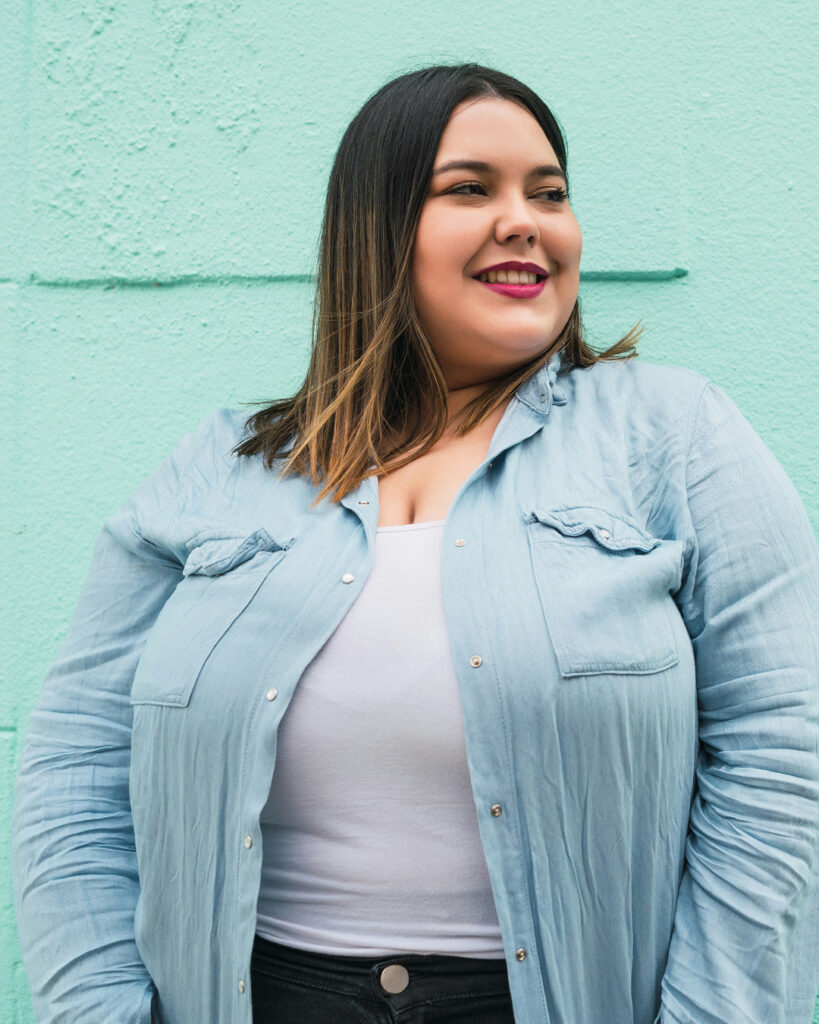
Laura Smith

Cohorts: 20s-40s

Condition: Cushingʼs Syndrome

“Everyone just tells me to eat better and exercise but nothing seems to change, they donʼt realise itʼs my hormones, not my willpower.”

Snapshot
  • Name: Laura Smith
  • Age range: 36
  • Life stage: Reproductive age, but experiencing amenorrhoea and hormonal imbalance due to cortisol excess
  • Location: Rural North Yorkshire
  • Occupation: Nursery teacher
  • Relationship and family context: Married, no children; had been trying to conceive but stopped due to exhaustion and physical changes; feels isolated and misunderstood
  • Relevant condition(s): Cushingʼs syndrome
  • Density of condition(s): Rare
  • Key symptoms experienced: Rapid central weight gain (face, abdomen, upper back), rounder “moon” face, acne, hirsutism, amenorrhoea, fatigue, low libido, irritability, anxiety, difficulty sleeping
  • Severity and duration: Symptoms developed gradually over 2 years; worsening fatigue and low mood
  • Diagnosed or suspected: Suspected, GP mentioned possible “hormonal imbalance,” but no referral yet; patient self-researching and confused by conflicting information online
  • Current treatments or management: None yet; using over-the-counter acne creams and low-sugar diet; trying to “manage stress” despite cortisol being biologically elevated
  • Comorbidities or related factors: Low self-esteem, social withdrawal, mild hypertension
  • Main triggers that worsen symptoms: Stress, lack of rest, poor sleep, chronic work pressure, self-blame
  • Barriers to seeking care: Rural location (nearest hospital an hour away), limited local endocrinology services, feels dismissed by GPs who focus on diet advice; stigma around “weight issues”
  • Information gaps and misconceptions: Believes sheʼs “just stressed” or “lazy”; unaware of link between cortisol and hormone suppression (GnRH and oestrogen); doesnʼt realise amenorrhoea is a sign of systemic hormonal shutdown
  • Emotional drivers and concerns: Shame about physical appearance; fear of being judged for “letting herself go”; confusion about fertility; wants to feel in control and understood
  • Primary health goals: Get proper diagnosis and treatment; understand why her body has changed; restore menstrual cycle
  • Secondary lifestyle goals: Rebuild confidence, reduce fatigue, reconnect with husband and social life
  • What “better” looks like to them: Feeling like herself again — energetic, healthy, and not defined by weight or symptoms

Hormones and mental health

If your mood, confidence or ability to cope has changed during perimenopause or menopause, there is very likely a biological reason for […]

When does menopause start?

Menopause does not usually arrive all at once. For most women, it is a gradual transition that begins with hormone changes years […]

Sleep and hormones: why your nights may change in perimenopause and menopause

If your sleep has changed in your 40s or 50s, you are not imagining it. Waking in the night, lying awake for […]

Utrogestan (micronised progesterone) explained

If you have been prescribed Utrogestan, or you are wondering whether it might be right for you, it is very normal to […]

Winton House, Church Street, Stratford Upon Avon CV37 6HB
support@balanceai.com

Download the free Balance app now:

Balance+ AI provides information and guidance to support understanding of your hormone health. It is not a substitute for professional medical advice, diagnosis or treatment. Always consult your doctor or a qualified healthcare professional with any questions you have regarding your health. If you think you may be experiencing a medical emergency, please contact the emergency services or seek immediate medical attention.

© Dr Louise Newson 2026