- Persona
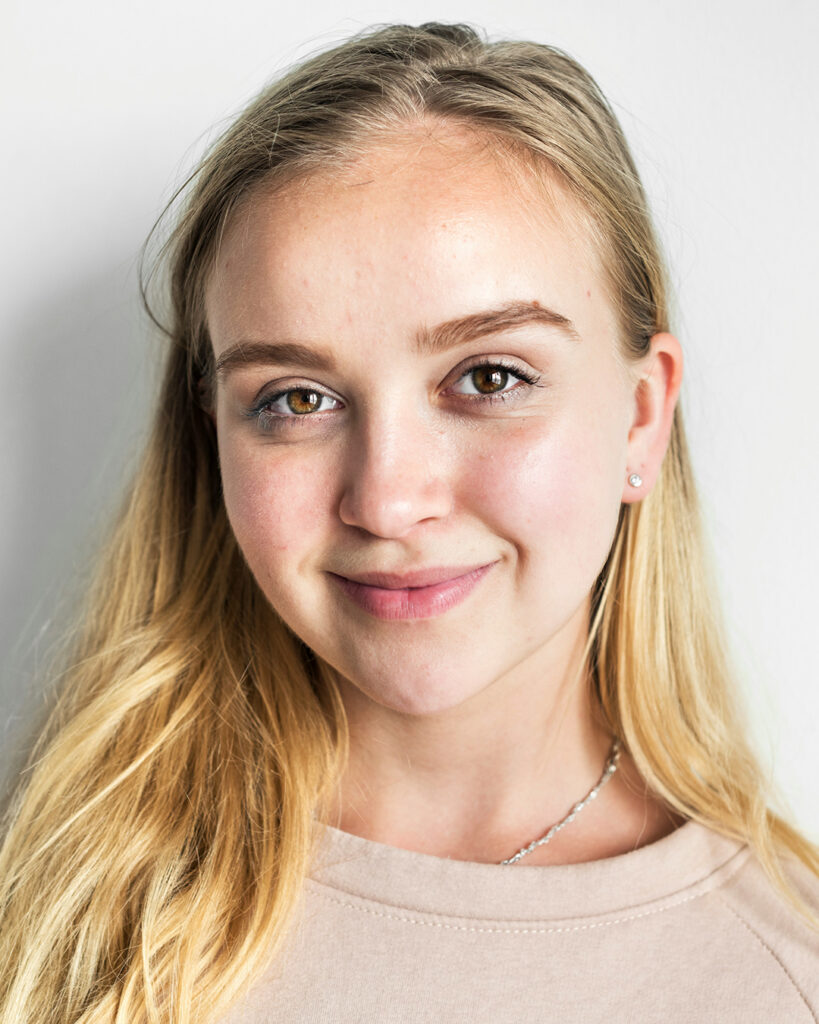
Lily Evans
Cohorts: Teens-20s
Condition: Primary Dysmenorrhoea
“Everyone says periods hurt, but mine feel unbearable. Idon’t want people to think I’m being dramatic.”
Snapshot
- Name: Lily Evans
- Age range: 15
- Life stage: Adolescent / school years
- Location: Suburban town in SE UK
- Occupation: Secondary school student (Year 10)
- Relationship and family context: Lives with parents and younger brother; close group of school friends but doesnʼt talk openly about her pain
Health Context
- Relevant condition(s): Primary dysmenorrhoea (painful periods due to hormonal imbalance)
- Density of condition(s): Very common in teenagers (affecting 50-90%)
- Key symptoms experienced: Severe abdominal cramps, lower back pain, fatigue, nausea during periods
- Severity and duration: Severe pain lasting 1-3 days each month; occasionally misses school due to symptoms
- Diagnosed or suspected: GP diagnosed dysmenorrhoea; doctor suggested the pill as treatment
- Current treatments or management: Over-the-counter painkillers, hot water bottle, light exercise when possible; reluctant to start on the pill due to side effects
- Comorbidities or related factors: Social embarrassment; low mood during periods; academic stress when missing school days
Triggers and barriers
- Main triggers that worsen symptoms: Period onset, stress, lack of exercise, poor sleep
- Barriers to seeking care: Embarrassment; fear of being judged as “weak”; doesnʼt know alternative treatments beyond the pill
- Information gaps and misconceptions: Believes sheʼs abnormal compared to friends; doesnʼt know progesterone or lifestyle support can help
- Emotional drivers and concerns: Wants validation and reassurance that her experience is real and common; craves confidence to talk to friends and family without shame
Goals and needs
- Primary health goals: Manage period pain so she doesnʼt have to miss school or social events; understand whatʼs happening in her body
- Secondary lifestyle goals: Fit in with friends and feel “normal”; build confidence in navigating puberty; keep up with studies and hobbies
- What “better” looks like to them: Being able to cope during periods without feeling isolated; having reliable ways to manage pain and reassurance that her symptoms have a cause
- Relevant Resources
If your mood, confidence or ability to cope has changed during perimenopause or menopause, there is very likely a biological reason for […]
Menopause does not usually arrive all at once. For most women, it is a gradual transition that begins with hormone changes years […]
If your sleep has changed in your 40s or 50s, you are not imagining it. Waking in the night, lying awake for […]
If you have been prescribed Utrogestan, or you are wondering whether it might be right for you, it is very normal to […]
- Explore other personas