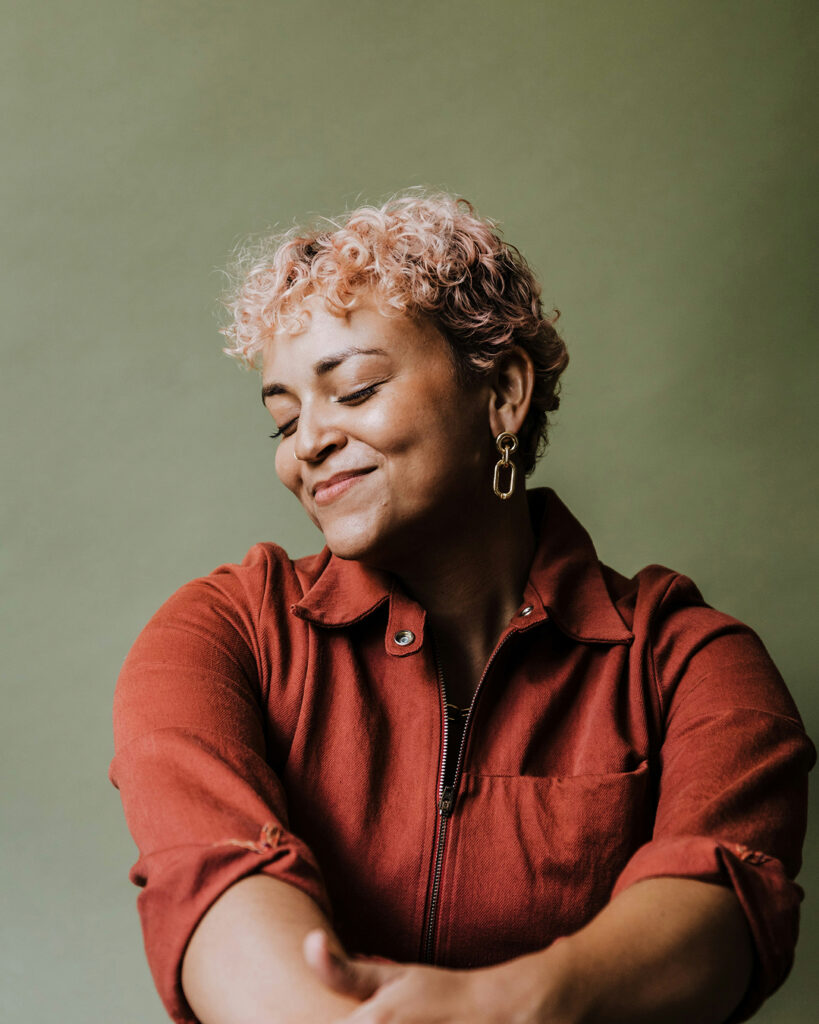
Lucy Harper

Cohorts: 30s-40s

Condition: Adenomyosis

“I used to plan my month around clients but now I plan it around my periods.”

Snapshot
  • Name: Lucy Harper
  • Age range: 38
  • Life stage: Late reproductive years / early perimenopause
  • Location: Shropshire, UK (rural market town)
  • Occupation: Self-employed hairdresser working from home
  • Relationship and family context: Married, two children (ages 10 and 6); considering whether to try for another but symptoms have made life unpredictable
  • Relevant condition(s): Adenomyosis (with possible mild endometriosis)
  • Density of condition(s): Common – Increasingly diagnosed (around 1 in 5 women having scans for gynaecological symptoms)
  • Key symptoms experienced: Heavy, painful periods lasting over a week; bloating and pelvic pain even outside her cycle; pressure in lower abdomen; pain during sex; exhaustion from blood loss
  • Severity and duration: Moderate to severe, 4+ years of worsening symptoms, now affecting work and sleep
  • Diagnosed or suspected: Confirmed via ultrasound at local NHS hospital
  • Current treatments or management: Tranexamic acid for bleeding, ibuprofen for pain; recently prescribed Mirena coil but hesitant to try due to negative stories online; uses hot water bottle nightly during her cycle
  • Comorbidities or related factors: Low iron/borderline anaemia, occasional mood swings and brain fog (likely early perimenopause); family history of fibroids
  • Main triggers that worsen symptoms: Stress, long hours standing, caffeine, lack of rest, hormonal fluctuations
  • Barriers to seeking care: GP appointments hard to get; feels her pain is minimised; doesnʼt know which information to trust online; local health services limited (nearest gynaecology clinic 45 minutes away)
  • Information gaps and misconceptions: Thinks “itʼll stop once menopause comes” without realising hormone imbalance can worsen before that; doesnʼt understand difference between synthetic and body-identical hormones; doesnʼt know testosterone can help pain and fatigue
  • Emotional drivers and concerns: Feels frustrated and isolated, like sheʼs “just expected to get on with it”; embarrassed by leaks at work; fears needing surgery but desperate for relief
  • Primary health goals: Reduce heavy bleeding and pain so she can work normally and sleep through the night; understand safe, long-term hormone options
  • Secondary lifestyle goals: Regain energy, improve mood and focus, prevent anaemia; feel listened to and supported
  • What “better” looks like to them: Being able to plan life freely again — no anxiety about leaks, fatigue, or cancelling clients

Hormones and mental health

If your mood, confidence or ability to cope has changed during perimenopause or menopause, there is very likely a biological reason for […]

When does menopause start?

Menopause does not usually arrive all at once. For most women, it is a gradual transition that begins with hormone changes years […]

Sleep and hormones: why your nights may change in perimenopause and menopause

If your sleep has changed in your 40s or 50s, you are not imagining it. Waking in the night, lying awake for […]

Utrogestan (micronised progesterone) explained

If you have been prescribed Utrogestan, or you are wondering whether it might be right for you, it is very normal to […]

Winton House, Church Street, Stratford Upon Avon CV37 6HB
support@balanceai.com

Download the free Balance app now:

Balance+ AI provides information and guidance to support understanding of your hormone health. It is not a substitute for professional medical advice, diagnosis or treatment. Always consult your doctor or a qualified healthcare professional with any questions you have regarding your health. If you think you may be experiencing a medical emergency, please contact the emergency services or seek immediate medical attention.

© Dr Louise Newson 2026