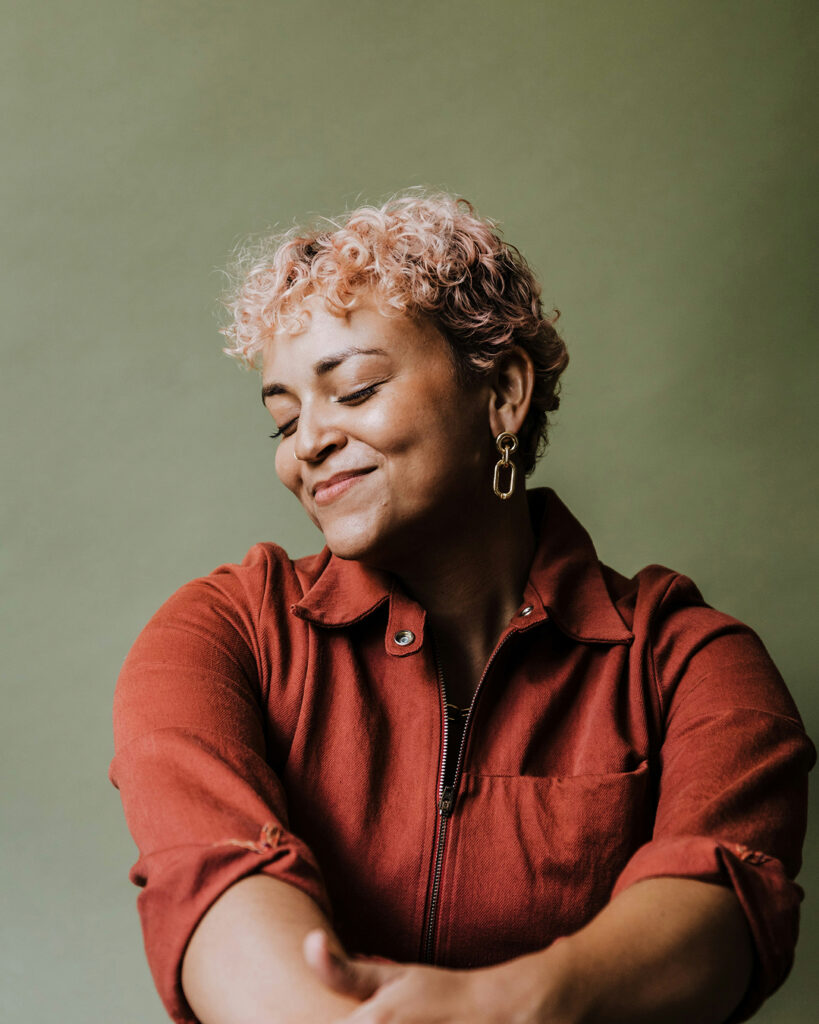
Olivia Bennet

Cohorts: 20s-30s

Condition: PMDD, Androgen-secreting ovarian/adrenal tumour

Everyone told me it was just PMS — but I lose two weeks of my life every month.”

Snapshot
  • Name: Olivia Bennet
  • Age range: 27
  • Life stage: Reproductive years
  • Location: London
  • Occupation: Account manager at a PR agency
  • Relationship and family context: Lives with flatmates; in a long-term relationship; career-focused but struggling to keep up socially and professionally due to health
  • Relevant condition(s): Premenstrual Dysphoric Disorder (PMDD)
  • Density of condition(s): Affects ~5% of women
  • Key symptoms experienced: Severe mood swings, anxiety, irritability, lethargy, loss of interest in hobbies, social withdrawal, insomnia, intrusive negative thoughts; standard PMS symptoms (bloating, cramps, skin breakouts)
  • Severity and duration: Symptoms intensify in the 2 weeks before her period, minimal in the week after; highly disruptive to daily functioning
  • Diagnosed or suspected: Initially misdiagnosed as PMS; recently began suspecting PMDD after tracking symptoms
  • Current treatments or management: Painkillers, exercise, “self-care” rituals, occasional therapy sessions; no structured treatment yet
  • Comorbidities or related factors: Anxiety disorder; relationship strain due to irritability and social withdrawal
  • Main triggers that worsen symptoms: High-pressure work deadlines, alcohol at social events, lack of sleep, stress
  • Barriers to seeking care: Misdiagnosis as PMS; feels clinicians donʼt take her seriously; no simple diagnostic blood test
  • Information gaps and misconceptions: Thinks itʼs just “severe PMS”; unaware of DRSP chart or PMDD-specific diagnostic criteria; hasn’t connected suicidal thoughts to a cyclical cause
  • Emotional drivers and concerns: Feels trapped by monthly cycle; fears career and relationship breakdown; scared by severity of mood swings
  • Primary health goals: Achieve recognition and diagnosis; manage symptoms with clinical support and lifestyle strategies
  • Secondary lifestyle goals: Stay consistent at work; maintain relationship without cycles of withdrawal and conflict; reclaim social confidence
  • What “better” looks like to them: Feeling in control of emotions; being able to plan her month without fear of “losing” two weeks; validated by a medical diagnosis

Hormones and mental health

If your mood, confidence or ability to cope has changed during perimenopause or menopause, there is very likely a biological reason for […]

When does menopause start?

Menopause does not usually arrive all at once. For most women, it is a gradual transition that begins with hormone changes years […]

Sleep and hormones: why your nights may change in perimenopause and menopause

If your sleep has changed in your 40s or 50s, you are not imagining it. Waking in the night, lying awake for […]

Utrogestan (micronised progesterone) explained

If you have been prescribed Utrogestan, or you are wondering whether it might be right for you, it is very normal to […]

Winton House, Church Street, Stratford Upon Avon CV37 6HB
support@balanceai.com

Download the free Balance app now:

Balance+ AI provides information and guidance to support understanding of your hormone health. It is not a substitute for professional medical advice, diagnosis or treatment. Always consult your doctor or a qualified healthcare professional with any questions you have regarding your health. If you think you may be experiencing a medical emergency, please contact the emergency services or seek immediate medical attention.

© Dr Louise Newson 2026