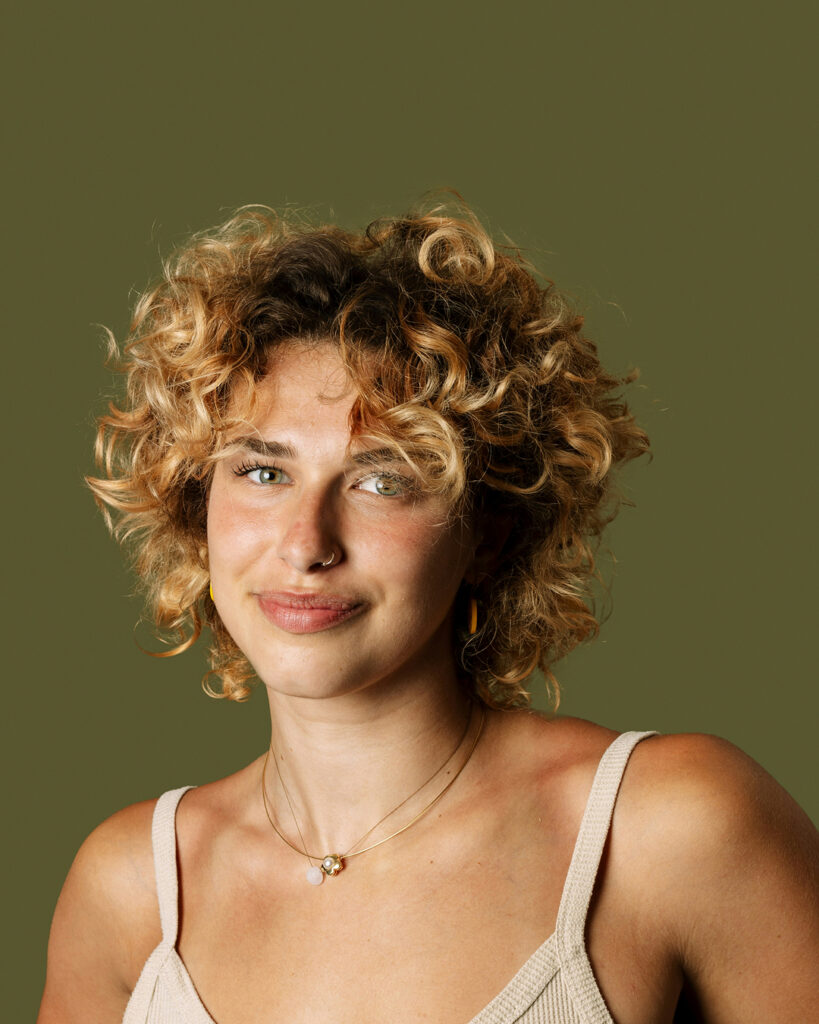
Sophia Martin

Cohorts: 20s-30s

Condition: Endometriosis

“Some days the pain is so bad I canʼt even go to lectures — but I donʼt want to fall behind or seem unreliable.”

Snapshot
  • Name: Sophia Martin
  • Age range: 20
  • Life stage: Reproductive years / young adult
  • Location: Leeds, UK
  • Occupation: Undergraduate student (2nd year, English lit)
  • Relationship and family context: Lives in a student accommodation with friends, in a long term relationship
  • Relevant condition(s): Endometriosis
  • Density of condition(s): Common – affects ~1 in 10 women
  • Key symptoms experienced: Heavy and painful periods, abdominal and pelvic pain (sometimes outside period), fatigue, bloating, painful sex, occasional urinary discomfort
  • Severity and duration: Severe during periods, moderate discomfort in between; ongoing for ~3 years
  • Diagnosed or suspected: Recently diagnosed after multiple GP visits and referrals; initial dismissal as “bad periods” delayed recognition
  • Current treatments or management: Strong painkillers, trial of combined contraceptive pill (which worsened symptoms); researching alternatives such as body-identical hormones; considering surgery if symptoms persist
  • Comorbidities or related factors: Anxiety about fertility; stress from university workload
  • Main triggers that worsen symptoms: Periods, stress, alcohol, lack of sleep, high oestrogen exposure from contraceptives
  • Barriers to seeking care: Long diagnostic journey; feels dismissed by doctors; fears being seen as exaggerating
  • Information gaps and misconceptions: Believed painful periods were “normal”; didnʼt know contraceptives could worsen endometriosis; unsure about surgical options and their risks
  • Emotional drivers and concerns: Fear of infertility; wants independence as a student but feels held back by illness; craves validation and control over her health
  • Primary health goals: Reduce pain, manage flare-ups, and maintain academic performance without missing lectures
  • Secondary lifestyle goals: Participate fully in student life (social events, relationships, travel); feel empowered to advocate for her health with doctors
  • What “better” looks like to them: Less time lost to pain; being able to balance studies, social life, and relationships; a clear, personalised management plan

Hormones and mental health

If your mood, confidence or ability to cope has changed during perimenopause or menopause, there is very likely a biological reason for […]

When does menopause start?

Menopause does not usually arrive all at once. For most women, it is a gradual transition that begins with hormone changes years […]

Sleep and hormones: why your nights may change in perimenopause and menopause

If your sleep has changed in your 40s or 50s, you are not imagining it. Waking in the night, lying awake for […]

Utrogestan (micronised progesterone) explained

If you have been prescribed Utrogestan, or you are wondering whether it might be right for you, it is very normal to […]

Winton House, Church Street, Stratford Upon Avon CV37 6HB
support@balanceai.com

Download the free Balance app now:

Balance+ AI provides information and guidance to support understanding of your hormone health. It is not a substitute for professional medical advice, diagnosis or treatment. Always consult your doctor or a qualified healthcare professional with any questions you have regarding your health. If you think you may be experiencing a medical emergency, please contact the emergency services or seek immediate medical attention.

© Dr Louise Newson 2026