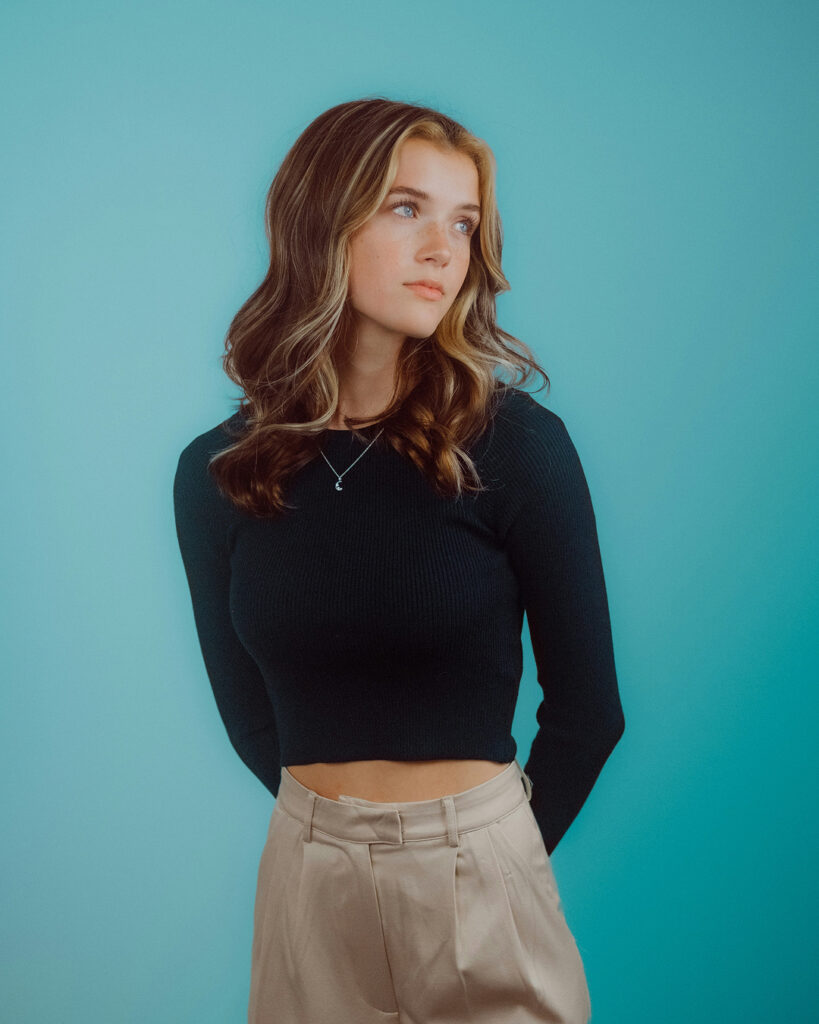
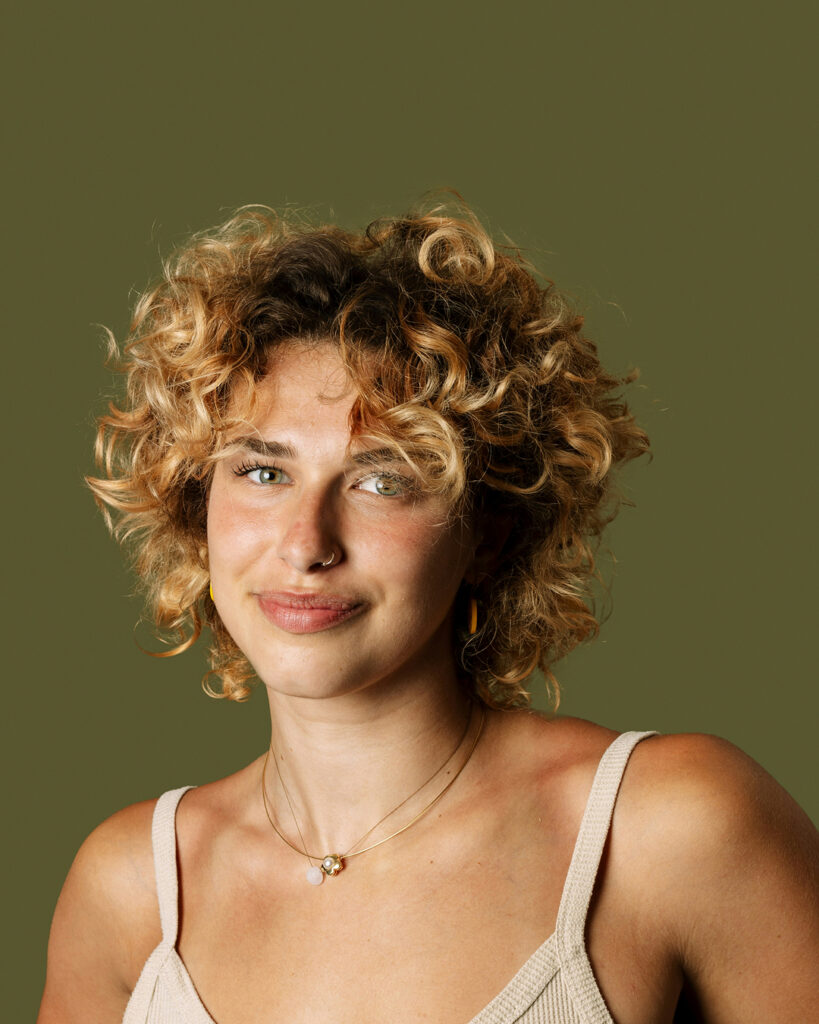
Violet Hall

Cohorts: Teens-20s, 20s-30s

Condition: RED-S

“I know I’m probably not eating enough for how much Itrain, but I worry about putting on weight if I eat more.”

Snapshot
  • Name: Violet Hall
  • Age range: 22
  • Life stage: Undergraduate university student, transitioning from structuredhome/school environment to independent living
  • Location: Exeter (uni)
  • Occupation: Full-time student; part-time agency work occasionally
  • Relationship and family context: Lives with housemates in shared studentaccommodation; close to family but now physically independent; social lifecentered around friends, sport, and uni network
  • Relevant condition(s): Relative Energy Deficiency in Sport (RED-s)
  • Density of condition(s): Moderate / high risk among female athletes
  • Key symptoms experienced: Fatigue, reduced performance, irregular ormissed menstrual cycles, frequent injuries, poor recovery, low mood, difficultyconcentrating, feeling cold
  • Severity and duration: Gradual onset over months to a couple of years;symptoms fluctuate but progressively worsen without intervention
  • Diagnosed or suspected: Suspected rather than formally diagnosed; may notrecognise it as RED-s
  • Current treatments or management: elf-managed; inconsistent eatingpatterns; occasional supplementation; no structured clinical management
  • Comorbidities or related factors: Disordered eating behaviours (notnecessarily diagnosed eating disorder), anxiety around body image, possibleiron deficiency, stress, alcohol use interfering with nutrition and recovery
  • Main triggers that worsen symptoms: Increased training load without dietaryadjustment and skipping meals due to time constraints or lack of planning,body image pressures (social media, peer comparison)
  • Barriers to seeking care: Lack of awareness that symptoms are medicallysignificant, normalisation of fatigue/injury as “part of being an athlete/unistudent”, fear of weight gain, stigma around eating habits and performanceissues
  • Information gaps and misconceptions: Belief eating less will make physiquebetter, misinterpreting menstrual irregularity (maybe even enjoying not havingperiods), lack of awareness of long term consequences
  • Emotional drivers and concerns: fear of weight gain and control loss, bodyimage anxieties, not voicing concern
  • Primary health goals: Restore energy balance and regular physiologicalfunction (hormonal, menstrual, recovery), and improve athletic performanceand endurance
  • Secondary lifestyle goals: Maintain social life without feeling restricted, feel incontrol of routines without rigid dieting
  • What “better” looks like to them: Stable energy throughout the day, improvedtraining performance and recovery, ability to eat flexibly without anxiety,feeling mentally clearer, less irritable, and more balanced

Hormones and mental health

If your mood, confidence or ability to cope has changed during perimenopause or menopause, there is very likely a biological reason for […]

When does menopause start?

Menopause does not usually arrive all at once. For most women, it is a gradual transition that begins with hormone changes years […]

Sleep and hormones: why your nights may change in perimenopause and menopause

If your sleep has changed in your 40s or 50s, you are not imagining it. Waking in the night, lying awake for […]

Utrogestan (micronised progesterone) explained

If you have been prescribed Utrogestan, or you are wondering whether it might be right for you, it is very normal to […]

Winton House, Church Street, Stratford Upon Avon CV37 6HB
support@balanceai.com

Download the free Balance app now:

Balance+ AI provides information and guidance to support understanding of your hormone health. It is not a substitute for professional medical advice, diagnosis or treatment. Always consult your doctor or a qualified healthcare professional with any questions you have regarding your health. If you think you may be experiencing a medical emergency, please contact the emergency services or seek immediate medical attention.

© Dr Louise Newson 2026